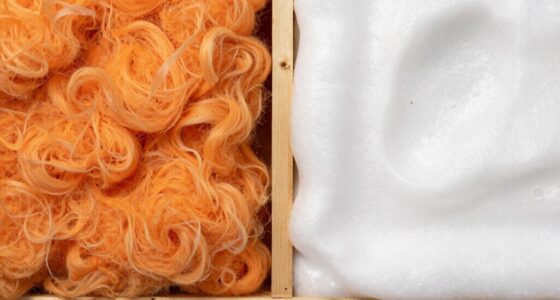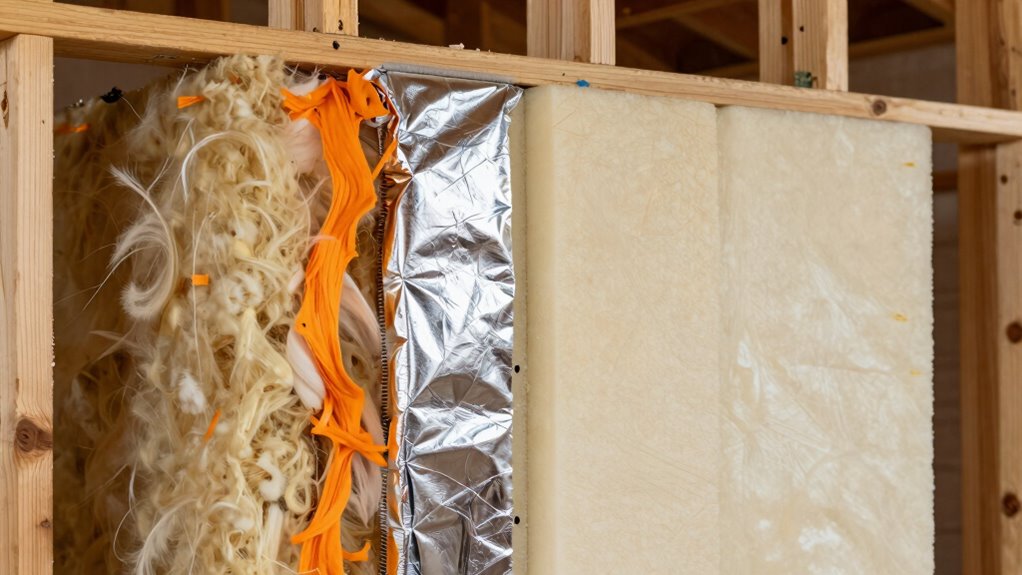

When choosing tiny house insulation, consider options like fiberglass for affordability and ease of installation or spray foam for excellent air-sealing and high R-values. Eco friendly choices like sheep’s wool and cellulose offer sustainability and better indoor air quality but may cost more upfront and require professional installation. Lightweight materials are great for tight spaces. Keep in mind your budget, environmental values, and space needs—more details are ahead to help you make the best choice.
Key Takeaways
- Common insulation options include fiberglass, spray foam, cellulose, sheep’s wool, and rigid foam, each with unique benefits and drawbacks.
- Eco friendly options like sheep’s wool and cellulose promote sustainability and improve indoor air quality.
- Spray foam offers high R-values and airtight sealing but is more expensive and less eco-friendly.
- Lightweight materials like rigid foam are ideal for tiny spaces and easy to install.
- Consider budget, environmental values, and specific tiny house needs to select the most suitable insulation type.
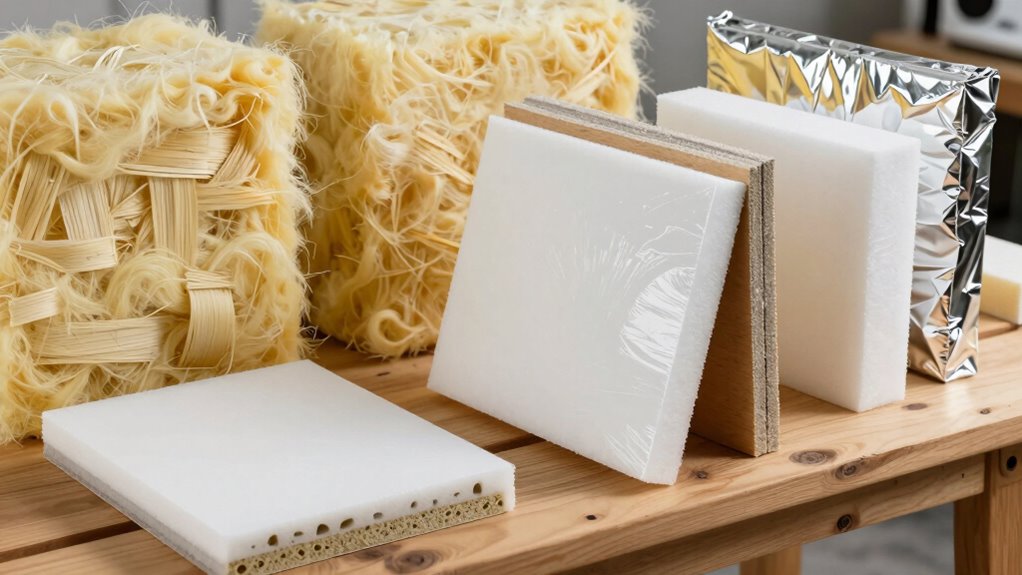
When evaluating different insulation types, it’s smart to do a thorough cost comparison. Some eco friendly materials might have a higher upfront cost but can save you money over time through reduced energy bills and longer durability. For instance, sheep’s wool may cost more initially than traditional fiberglass, but its natural insulating properties can lead to lower heating and cooling costs. Conversely, fiberglass remains a budget-friendly option and is widely available, making it a common choice for those prioritizing affordability. While it’s less eco friendly and can irritate the skin and lungs during installation, it’s still effective for insulation if handled carefully. Foam insulations, like spray foam, offer excellent R-values and airtight sealing but tend to be pricier and less sustainable due to their chemical composition. Considering the indoor air quality benefits of eco friendly materials can also be a crucial factor in your decision-making process. You should also consider the ease of installation and the long-term benefits each type provides. For tiny houses, lightweight and versatile materials like spray foam or rigid foam boards can be advantageous because they’re easy to cut and fit into tight spaces. Additionally, some eco friendly options such as cellulose or sheep’s wool can contribute to a healthier indoor environment, which is an important sustainability consideration. Choosing insulation with environmental impact in mind can help minimize your tiny house’s carbon footprint. Incorporating environmentally friendly insulation can enhance the overall quality of your tiny house while aligning with your eco-conscious values. On the other hand, eco friendly options such as cellulose or sheep’s wool might require professional installation but pay off with better breathability and lower environmental footprint. Ultimately, your decision will depend on your budget, environmental values, and the specific needs of your tiny house. By doing a careful cost comparison and prioritizing eco friendly materials, you’ll find a balance that keeps your tiny home comfortable, sustainable, and affordable for years to come.

Red Devil 0913 Spray Foam & Fill Small Gaps & Cracks Expanding Insulation, Polyurethane Sealant, 12 oz, Off-White, Pack of 1
- Fills Small Gaps and Cracks: Insulates and prevents drafts
- Indoor and Outdoor Use: Suitable for all around the home
- Sandable, Paintable, Stainable: Finish to match surfaces
As an affiliate, we earn on qualifying purchases.
As an affiliate, we earn on qualifying purchases.
Frequently Asked Questions
How Does Insulation Affect Tiny House Resale Value?
Insulation considerably impacts your tiny house’s resale value by enhancing energy efficiency and comfort. Proper insulation installation guarantees your tiny house stays warm in winter and cool in summer, appealing to buyers. Regular insulation maintenance keeps it effective over time, preventing issues like mold or drafts. Well-maintained insulation demonstrates good upkeep, making your tiny house more attractive and increasing its resale value, as buyers prioritize energy-efficient, low-maintenance homes.
Are There Eco-Friendly Insulation Options Suitable for Tiny Houses?
Think of eco-friendly insulation options like natural insulation as the cozy, sustainable blanket your tiny house needs. You can choose materials like sheep’s wool, cellulose made from recycled paper, or hemp, all of which are natural insulation options. These eco-friendly materials reduce your carbon footprint, improve energy efficiency, and appeal to eco-conscious buyers. Using natural insulation not only keeps your tiny house warm but also aligns with your green living values.
Which Insulation Type Is Best for Extreme Weather Conditions?
For extreme weather, spray foam insulation offers the best performance, providing high R-values and sealing gaps effectively. It withstands harsh conditions, keeping your tiny house warm in winter and cool in summer. Its superior insulation performance minimizes drafts and moisture issues, making it ideal for extreme climates. While other types may work, spray foam consistently delivers the durability and efficiency you need to protect your tiny house year-round.
How Much Does Insulation Installation Typically Cost?
Insulation installation costs typically range from $1,000 to $3,000, depending on your tiny house size and insulation type. Factors influencing insulation pricing include material choice, labor rates, and difficulty accessing tight spaces. You can save by choosing cost-effective options like spray foam or fiberglass batt insulation. To get an accurate estimate, consider consulting local contractors who can assess your specific needs and provide detailed quotes based on insulation pricing factors.
Can Insulation Help With Tiny House Soundproofing?
Yes, insulation can definitely help with soundproofing your tiny house. You’ll want to explore soundproofing techniques like adding mass-loaded vinyl or specialized insulation materials that absorb sound. Comparing insulation materials—such as spray foam versus fiberglass—reveals which options best block noise. As you make your choices, imagine a peaceful space where external sounds fade away, and your tiny house becomes a cozy retreat. Soundproofing isn’t just about insulation; it’s about creating your perfect sanctuary.
Conclusion
Choosing the right insulation for your tiny house is like picking the perfect puzzle piece—each type fits differently depending on your needs. Whether you opt for spray foam, fiberglass, or natural options, your decision shapes the cozy, energy-efficient sanctuary you’ll call home. Remember, insulation isn’t just about warmth; it’s about creating a haven where comfort and sustainability meet. So, take your time, weigh your options, and craft a tiny house that’s truly built to last.