In small homes with pets or allergies, HEPA filters are essential for maintaining clean air. They trap up to 99.97% of dust, pet dander, and allergens, helping reduce airborne irritants. For best results, change filters every 6 to 12 months and keep your purifier well-maintained. Proper placement and regular cleaning boost its effectiveness. Want to discover how to optimize your air quality even further? Keep going to learn practical tips for a healthier home environment.
Key Takeaways
- HEPA filters trap up to 99.97% of allergens, improving air quality in small homes with pets or allergies.
- Regular filter replacement (every 6-12 months) maintains filter efficiency and indoor air cleanliness.
- Proper placement and routine cleaning of the air purifier enhance its effectiveness.
- Combining filtration with frequent vacuuming, bedding washing, and pet management reduces allergens.
- Consistent maintenance and understanding airflow improve overall air quality and purifier performance.
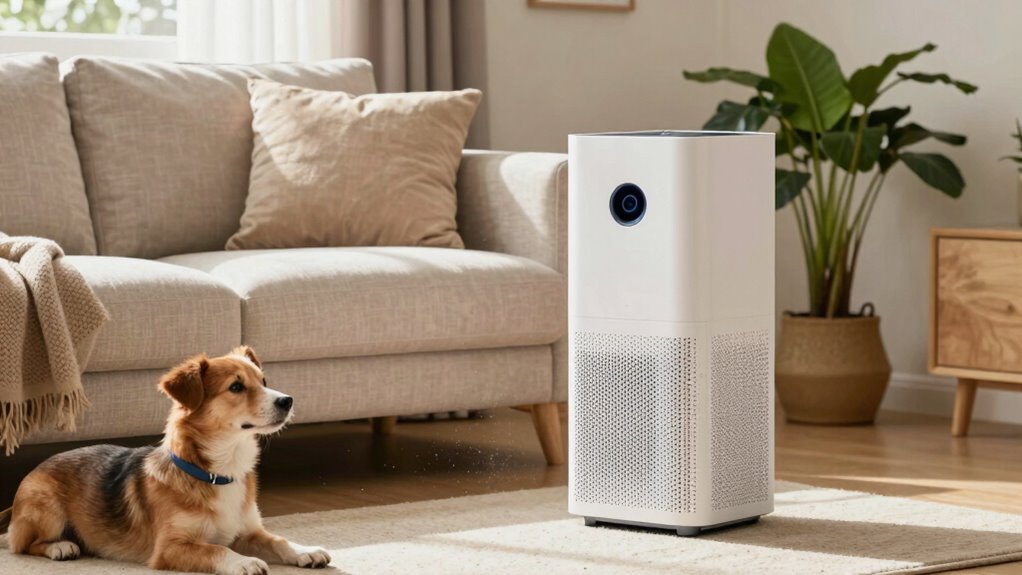
If you live in a small home with pets or allergies, maintaining clean indoor air can be a challenge. Pet dander, dust, pollen, and other airborne allergens tend to accumulate quickly, making it essential to choose an effective air purification system. HEPA filters are a top choice because they trap tiny particles—up to 99.97% of dust, pet dander, and allergens that pass through them. But simply having a HEPA purifier isn’t enough; you need to stay on top of air purifier maintenance to keep it functioning at peak performance. Regularly checking your device ensures it continues to filter the air effectively, especially since small spaces can cause allergens to build up faster.
Maintaining your HEPA air purifier is key to ensuring clean, allergen-free indoor air.
One of the most critical aspects of maintaining your HEPA air purifier is understanding the filter replacement frequency. Most models recommend changing the filters every six to twelve months, but this can vary based on your home’s specific conditions. If you have multiple pets or if allergies are particularly severe, you might need to replace filters more often. You’ll notice signs like reduced airflow or a persistent musty smell—both indicators that it’s time for a new filter. Staying attentive to these signs helps ensure your purifier isn’t working harder than it needs to, which can save you money and improve air quality.
In addition to replacing filters on schedule, you should regularly clean the exterior of your air purifier, including vents and grills. Dust and pet hair can clog these areas, reducing efficiency. When you clean your device, you remove any accumulated debris that could interfere with airflow, helping your purifier operate smoothly. Also, ensure that you place the purifier in an ideal spot—away from walls or furniture that might block airflow. Proper placement enhances circulation and ensures your purifier is effectively cleaning the air throughout your small space. Indoor air quality can significantly improve when you combine filtration with good cleaning habits. Regular maintenance is essential because small spaces can cause allergens to accumulate faster, making consistent upkeep even more important.
Furthermore, understanding the airflow patterns within your home can help optimize your purifier’s effectiveness by positioning it in the most strategic location. Maintaining good habits complements your air purifier efforts. Vacuum frequently with a HEPA-filter vacuum cleaner, wash bedding regularly, and keep pets out of bedrooms if possible. These steps reduce overall allergen levels, making your purifier’s job easier. Additionally, using proper ventilation can help to remove airborne pollutants more efficiently. Remember, an air purifier is a tool, but it works best when combined with other allergy-reducing practices. By sticking to a consistent schedule for air purifier maintenance and filter replacement, and by paying attention to your device’s needs, you’ll create a healthier environment for yourself and your pets.
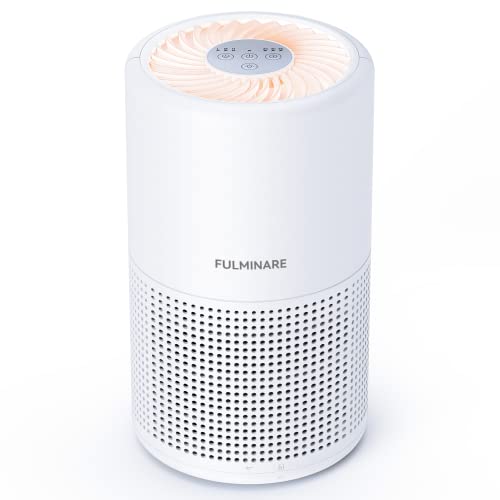
Air Purifiers for Bedroom, FULMINARE H13 True HEPA Filter
- Efficient Particle Filtration: H13 HEPA filter for clean air
- High Circulation Rate: Refreshes air 5x per hour in 215 ft² rooms
- 360° Air Outlet: Ensures even air distribution
As an affiliate, we earn on qualifying purchases.
As an affiliate, we earn on qualifying purchases.
Frequently Asked Questions
How Often Should I Replace HEPA Filters in Small Home Units?
You should replace your HEPA filter every 6 to 12 months, depending on its filter lifespan and your home’s air quality. Check the manufacturer’s recommendations and inspect the filter regularly—if it looks dirty or clogged, it’s time for a replacement. Regularly changing the filter guarantees peak performance, especially in small homes with pets or allergies, helping you breathe cleaner air and maintain a healthier environment.
Are HEPA Filters Effective Against Airborne Pet Dander?
Yes, HEPA filters are effective against airborne pet dander. They capture tiny particles like pet hair and dander that circulate in the air, improving air quality. With good air circulation, these filters can considerably reduce allergy symptoms caused by pet allergens. Keep your filter clean and replace it regularly to guarantee it continues to trap these airborne particles effectively, creating a healthier environment for you and your pets.
Can HEPA Filtration Reduce Allergy Symptoms Significantly?
Yes, HEPA filtration can substantially reduce your allergy symptoms by improving your air quality. It captures airborne allergens like pet dander, dust, and pollen effectively. To maintain its benefits, you need to perform regular filter maintenance, replacing or cleaning the HEPA filter as recommended. This ongoing upkeep guarantees your air stays clean and allergens stay minimized, making your home a more comfortable, allergy-friendly space.
What Size HEPA Filter Is Best for Small Spaces?
Think of your small space as a tiny fortress needing a shield. A true HEPA filter between 8 to 12 inches fits best, effectively capturing allergens and particles without crowding your area. Regular filter maintenance keeps your air quality high, ensuring your fortress stays protected. Smaller filters might struggle with air circulation, so choose one that balances size and efficiency to maintain a clean, healthy environment effortlessly.
Do HEPA Filters Generate Ozone or Other Harmful Emissions?
HEPA filters don’t produce ozone or harmful chemical emissions during operation. Unlike some air purifiers that generate ozone through ionization, true HEPA filters simply trap particles without chemical reactions. You can confidently use them in small homes with pets or allergies, knowing they won’t contribute to ozone production or introduce chemical emissions. Just make certain the unit is well-maintained, and you’ll enjoy cleaner, healthier air without added risks.
Conclusion
In the end, investing in a HEPA filter isn’t just about cleaner air—it’s about reclaiming your home from allergens and pet dander, making every breath a proof to your care. Think of it as a shield, silently working to protect your health and comfort. With a HEPA filter, you’re not just filtering air—you’re transforming your space into a sanctuary. After all, isn’t your well-being worth the best?