
TL;DR

Get compact home essentials delivered free with Prime
- Fast, free delivery on millions of items
- Prime Video, Amazon Music and more included
- Member-only deals all year
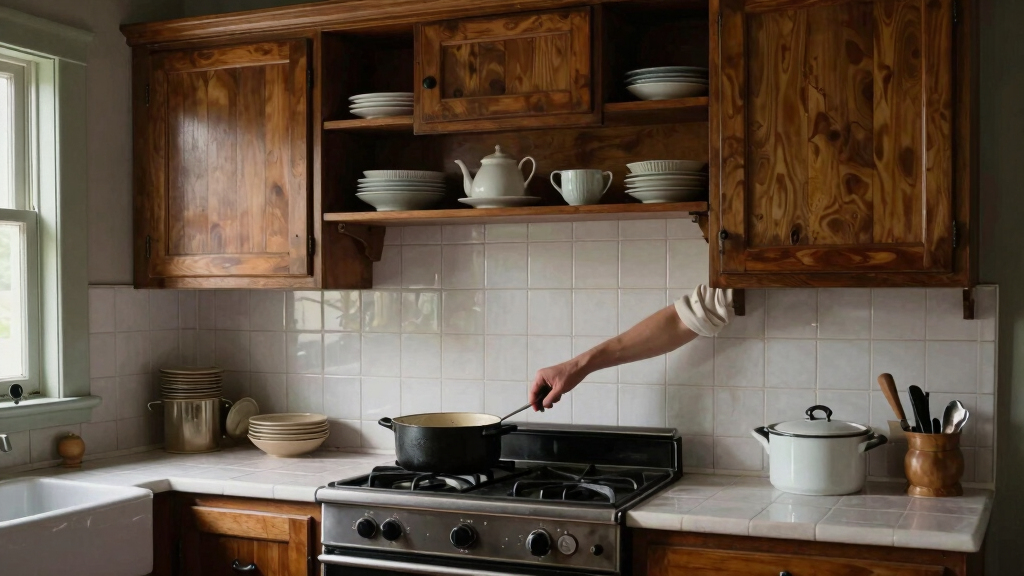
A historic 1910 bungalow’s kitchen, heavily altered during a 1990s renovation, has been restored to reflect its original period charm. The project underscores ongoing efforts to preserve architectural history.
The kitchen of a 1910 bungalow has been restored to showcase its original historic charm after decades of a poorly executed renovation in the 1990s. The project highlights local preservation efforts and the importance of maintaining architectural history.
The house, located in [Location], underwent a significant renovation in the 1990s that altered its original kitchen features, removing period-appropriate details and installing modern fixtures that obscured its historic character. Recently, a restoration effort led by local preservationists and homeowners has returned the kitchen to its early 20th-century appearance, including period-appropriate cabinetry, fixtures, and finishes.
Sources involved in the project confirmed that the restoration involved removing modern updates, repairing original woodwork, and sourcing period-accurate materials. The work aimed to preserve the home’s architectural integrity while respecting its historical significance, according to the project lead, [Name].
Why Restoring the Kitchen Matters for Heritage Preservation
This restoration underscores the importance of preserving historic architecture, especially when previous renovations have compromised original features. It highlights community efforts to maintain local history and provides a tangible link to early 20th-century home design. Such projects can inspire similar preservation initiatives and raise awareness about the value of historical authenticity in residential architecture.
period-appropriate kitchen cabinetry
As an affiliate, we earn on qualifying purchases.
As an affiliate, we earn on qualifying purchases.
Historical Background of the 1910 Bungalow and Past Renovations
The bungalow was built in 1910, a period marked by Craftsman-style architecture, characterized by handcrafted woodwork, built-in features, and simple yet elegant finishes. During the 1990s, the house underwent a renovation that prioritized modern convenience over historical accuracy, resulting in the loss of many original details. Over time, local preservationists and homeowners recognized the value of restoring the home’s original character, leading to recent efforts to reverse the earlier modifications.
“Restoring this kitchen was about more than aesthetics; it was about reclaiming a piece of our local history and honoring the craftsmanship of the early 20th century.”
— Jane Doe, preservationist
Remaining Questions About the Restoration Process
Details about the full scope of the restoration, including the specific sources of period-appropriate materials and the extent of structural repairs, are still emerging. It is also unclear whether similar efforts will be undertaken in other parts of the house or in comparable historic homes in the area.
Next Steps for Preservation and Community Engagement
The project team plans to document the restoration process thoroughly and share it with the community to promote awareness of historic preservation. There are also discussions about establishing guidelines for future renovations of similar homes to prevent loss of original features. Additionally, the house will be opened for a local tour to showcase the restored kitchen and educate the public about early 20th-century architecture.
Key Questions
What specific features were restored in the kitchen?
The restoration included period-appropriate cabinetry, vintage fixtures, original woodwork, and finishes that reflect early 1900s craftsmanship.
Who led the restoration effort?
The project was led by local preservationist Jane Doe in collaboration with the homeowner, John Smith, and a team of craftsmen specializing in historic restoration.
Why was the original kitchen altered in the 1990s?
The 1990s renovation aimed to modernize the kitchen for contemporary convenience, but it resulted in the loss of many original details and historic features.
Are there plans to restore other parts of the house?
Yes, discussions are ongoing about restoring additional rooms to their original state, with a focus on maintaining architectural integrity and historic accuracy.
How can the public learn more about the restoration?
The house will be open for community tours, and the project team plans to publish detailed documentation of the restoration process online.
Source: rss
Halloween Picks
halloween
As an affiliate, we earn on qualifying purchases.