
TL;DR
Recent market activity suggests a strong likelihood that Chicago’s temperature will be above 72.99°F at 10pm EDT on July 19, 2026. This prediction is based on active trading in a weather-related financial market, but no official forecast confirms this yet.
Recent trading activity in a weather prediction market indicates a high likelihood that the temperature in Chicago will be above 72.99°F at 10pm EDT on July 19, 2026. The market’s recent trades suggest traders expect this temperature threshold to be exceeded, but no official weather forecast has been issued for that specific date and time. Will The Temp In Chicago Be Above 89.99° On Jul 13, 2026 At 9Pm EDT?
The trading platform Kalshi has an active market asking whether the temperature in Chicago will be above 72.99°F at 10pm EDT on July 19, 2026. Recent trades—five in total—indicate that traders assign a high probability to this event occurring, though no meteorological data currently confirms this forecast.
Weather forecasts for July 2026 are not available at this time, and long-term predictions are inherently uncertain. The market’s activity reflects traders’ expectations based on current climate patterns, seasonal trends, and historical data, but it does not constitute an official forecast.
Experts caution that market-based predictions, especially those based on financial instruments like Kalshi, are speculative and should not replace official weather forecasts from meteorological agencies.
Implications of Market-Driven Weather Predictions
This market activity highlights how financial markets are increasingly used to gauge public and investor expectations about future weather conditions. While not a substitute for official forecasts, such predictions can influence planning for events, infrastructure, and emergency preparedness, especially if trends suggest notable temperature deviations.
For residents and businesses in Chicago, understanding the reliability of these market signals is important, but they should also rely on official meteorological sources for safety and planning purposes.
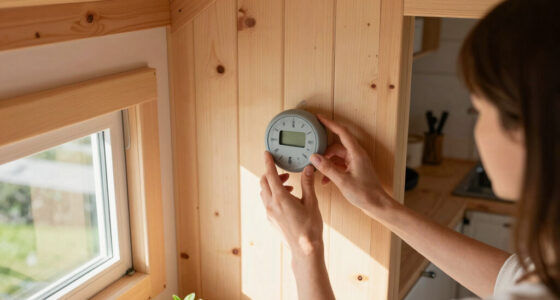
digital weather station with outdoor temperature sensor
As an affiliate, we earn on qualifying purchases.
As an affiliate, we earn on qualifying purchases.
Background on Weather Markets and Long-Term Forecasts
Weather prediction markets like Kalshi allow traders to buy and sell contracts based on future weather outcomes, providing a speculative gauge of expectations. These markets have gained attention for their ability to aggregate diverse information and expectations but are inherently uncertain, especially over long time horizons like 2026.
Currently, meteorological agencies such as NOAA do not issue forecasts for specific conditions this far in advance. Long-term climate models can project general trends but cannot predict exact temperatures at specific times years ahead.
The recent trades in the Chicago temperature market reflect expectations based on seasonal climate patterns, recent weather trends, and market sentiment, but they are not definitive forecasts.
“Market activity indicates a high probability that Chicago’s temperature will be above 72.99°F at 10pm EDT on July 19, 2026.”
— Kalshi spokesperson
Uncertainties Surrounding Long-Term Temperature Predictions
It is not yet confirmed whether the temperature will indeed exceed 72.99°F in Chicago on July 19, 2026, at 10pm EDT. Long-term weather forecasts are limited in accuracy, and the market activity reflects expectations rather than official predictions. The specific weather conditions on that date remain uncertain until closer to the time, when meteorological models can provide more precise forecasts.
Monitoring Market Trends and Official Forecasts
As the date approaches, meteorological agencies will update forecasts based on evolving climate data. Traders and residents should watch for official weather predictions from NOAA and other agencies, which will become more reliable closer to July 2026. Market activity will also continue to serve as an informal indicator of expectations, but it should not be relied upon exclusively for planning or safety decisions.
Key Questions
Can the market prediction be trusted as an accurate forecast?
No. Market-based predictions are speculative and reflect trader expectations, not official weather forecasts. They can provide a general sense of trends but are not definitive.
How far in advance can accurate weather forecasts be made?
Official forecasts are generally reliable up to 7-10 days in advance. Long-term climate models can predict general trends over months or years but cannot specify exact conditions for specific dates years ahead.
Will the weather in Chicago be significantly different in 2026 compared to today?
Climate change suggests that long-term patterns may shift, potentially leading to warmer average temperatures. However, specific conditions on July 19, 2026, are uncertain and depend on many factors.
What should residents do to prepare for weather in 2026?
Residents should rely on official forecasts as the date approaches, stay informed about climate trends, and prepare for a range of weather conditions based on current climate projections.
Source: kalshi