TL;DR

Get compact home essentials delivered free — and shop member deals
- Fast, free delivery on millions of items
- Access to Prime Big Deal Days deals on October 6–7
- Prime Video, Amazon Music and more included
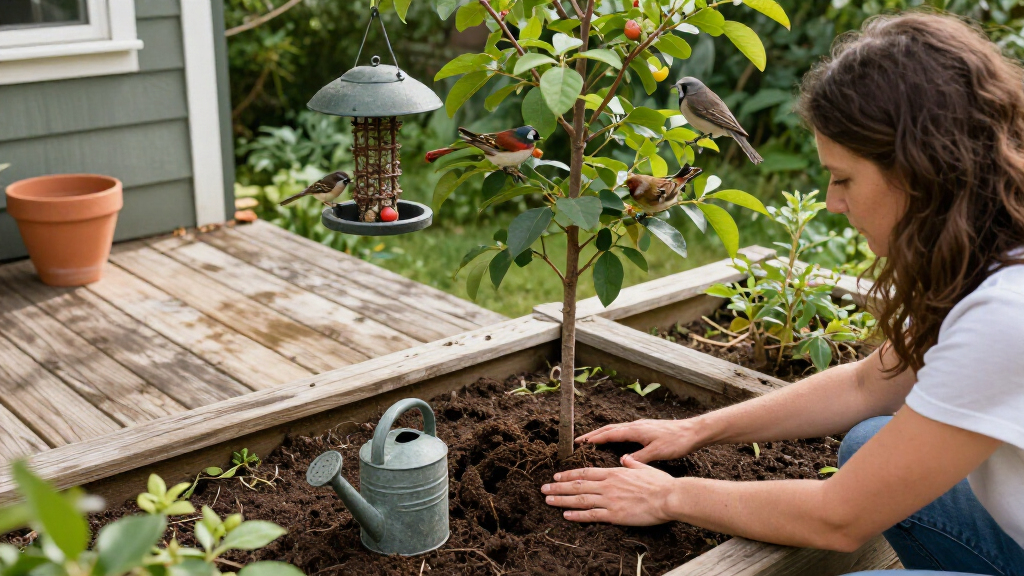
An Ideal Home gardening report lists rowan, amelanchier, crab apple, hawthorn, blackthorn and holly as trees that can support birds in gardens. Their flowers, fruit and shelter can benefit wildlife, but several species grow taller or wider than a typical small garden may allow, so variety and pruning matter.
An Ideal Home gardening report has named six trees that can help attract birds to gardens, including rowan, amelanchier, crab apple, hawthorn, blackthorn and holly. The selection offers gardeners with limited space options that provide berries, seasonal flowers or protective cover, although the report notes that mature size depends on the species and variety.
The report says trees can offer birds food and shelter, and recommends considering mature dimensions before planting where garden space is limited. It draws on advice from Chris Bonnett, founder of Gardening Express, and David Denyer, a flower and garden expert at eflorist. Both point to the value of plants that support local wildlife; their comments are expert guidance rather than results from a comparative study.
Rowan produces berries later in the year, while amelanchier offers spring blossom and summer foliage, followed by autumn colour and small dark berries. The report gives a typical height of around 10 to 15 metres for a standard rowan, compared with about seven metres for the compact variety it cites. Amelanchier generally reaches around four to eight metres, though the report suggests it can also be grown in a large container.
Crab apple provides spring blossom and fruit that ripens around autumn; a dwarf variety named in the report is expected to reach about 1.5 metres. Hawthorn has blossoms, autumn fruit known as haws, and can provide shelter or nesting places. Blackthorn produces early flowers and later sloe berries, with dense thorny growth that can offer cover. The source also lists holly as a candidate, but the supplied text ends before giving its details.
Food and Cover in Smaller Gardens
The list matters to gardeners because it connects a planting choice with several potential wildlife resources across the year. Flowers can support pollinators, while berries and other fruit may provide food for birds when other sources are less available. Dense branches, particularly those of hawthorn and blackthorn, may also offer birds places to shelter or nest.
That does not mean every tree on the list will suit every garden. Some standard forms become substantial trees, and blackthorn can spread into a dense, thorny plant. Checking a variety’s mature height and spread is therefore central to the report’s small-garden advice. Container growing, choosing dwarf forms and light pruning where appropriate may help manage space, but the source does not promise a particular number of birds or a guaranteed wildlife benefit.
compact bird-friendly trees for small gardens
As an affiliate, we earn on qualifying purchases.
As an affiliate, we earn on qualifying purchases.
How the Six Trees Support Wildlife
The report’s recommendations reflect different ways trees can support wildlife. Rowan, crab apple and holly are highlighted as berry- or fruit-bearing choices, while amelanchier combines flowers, autumn colour and berries. Hawthorn’s blossom and fruit are paired with potential nesting cover; blackthorn adds early flowers and thorny shelter. These are the report’s descriptions of seasonal features, not a measured ranking of which tree attracts the most birds.
Size varies markedly. The source gives approximate heights for several options: a standard rowan can reach 10 to 15 metres, compact Olympic Flame rowan around seven metres, amelanchier around four to eight metres, and the dwarf crab apple ‘Tina’ about 1.5 metres. Hawthorn is listed at roughly four to eight metres for the variety cited, while unclipped blackthorn can reach up to six metres and spread four metres. The source does not provide comparable mature-size details for holly in the material supplied.
““More and more people want to see wildlife in their gardens, and it’s often simpler than they expect.””
— Chris Bonnett, founder of Gardening Express, as quoted by Ideal Home
Mature Sizes and Holly Details
The supplied report text ends partway through its holly section, so it does not include the article’s full description of that tree, recommended varieties or mature size. The source also does not give a publication date, identify a particular region for its gardening advice, or provide evidence comparing bird numbers at gardens with and without these trees.
Actual growth and wildlife use can vary by variety and site. The reported heights are estimates, and the material provided does not specify growing conditions for every recommendation. It also does not establish that any one tree will attract particular bird species or provide food throughout the entire winter.
Check Varieties Before Planting
The report offers planting ideas rather than announcing a new study or a formal gardening programme. Readers considering one of the trees should check the chosen variety’s expected mature height and spread, along with whether it suits their site and available space. For the options described, compact rowan and dwarf crab apple are presented as smaller alternatives to their standard forms.
More detail on holly would be needed to assess it against the other five choices, as that section is incomplete in the supplied source material. No follow-up research, planting schedule or next milestone is identified.
Key Questions
Which six trees does the report recommend?
The list names rowan, amelanchier, crab apple, hawthorn, blackthorn and holly. The supplied text gives details for the first five but cuts off during the holly section.
Which option is described as the smallest?
The report says the dwarf crab apple ‘Tina’ is expected to reach about 1.5 metres. That figure is an estimate for the variety cited, not for all crab apple trees.
How can these trees help birds?
Depending on the tree, they can provide berries or fruit, seasonal flowers, and shelter or nesting cover. The report does not quantify how many birds a tree will attract.
Are all six suitable for a very small garden?
Not necessarily. Some standard trees can grow several metres tall, and blackthorn may spread widely. Check the selected variety’s mature size and site requirements before planting.
Source: rss
Halloween Picks
halloween
As an affiliate, we earn on qualifying purchases.