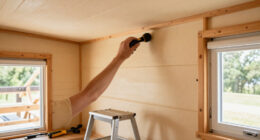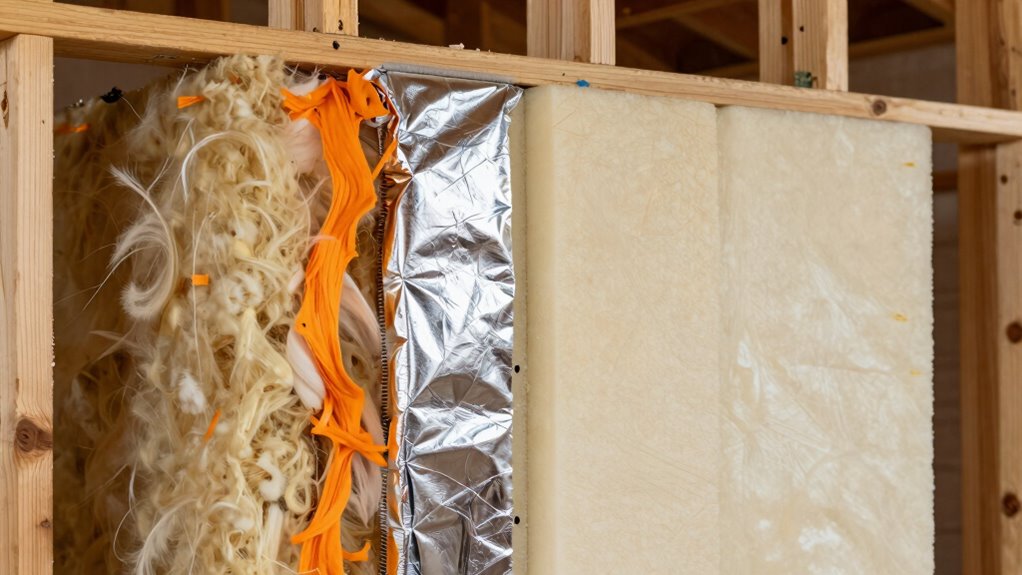

Choosing the right insulation panels for a tiny house involves balancing ease of installation, thermal performance, and durability. The Garage Door Insulation Kit, Pre-Cut 6MM Thick EPE Foam with Double Aluminum Foil stands out for its straightforward DIY approach and reflective heat barriers, making it ideal for quick upgrades. Meanwhile, the Garage Door Insulation Kit – 16PCS Double Bubble Panels offers enhanced moisture resistance and a more robust construction, suited for those prioritizing long-term durability. Both options feature a 6mm thickness, but their different materials and installation methods introduce key tradeoffs worth considering.

Get compact home essentials delivered free with Prime
- Fast, free delivery on millions of items
- Prime Video, Amazon Music and more included
- Member-only deals all year
Key Takeaways
- Pre-cut panels simplify installation but may require trimming for custom sizes.
- Reflective foil technology enhances thermal efficiency, especially in hot or cold climates.
- Durability varies: foam with foil is lightweight and easy but less moisture-resistant, while bubble panels are more robust but bulkier.
- Cost and versatility differ, with the bubble panels generally offering broader application options.
- Ease of installation depends heavily on surface preparation and handling of adhesives.
| Garage Door Insulation Kit, Pre-Cut 6MM Thick EPE Foam with Double Aluminum Foil, 24″ x 48″ (16 pcs) |  | Best for quick, DIY thermal upgrades | Material: EPE Foam with Aluminum Foil | Thickness: 6mm | Panel Size: 24″ x 48″ | VIEW ON AMAZON | See Our Full Breakdown |
| Garage Door Insulation Kit – 16PCS 24×48 inch Double Bubble Panels Reflective Aluminum Foil with Tape and Adhesive |  | Best for moisture-resistant, durable insulation | Number of Items: 16 | Panel Size: 24×48 inches | Material: Double Bubble with Aluminum Foil | VIEW ON AMAZON | See Our Full Breakdown |
| insulation panels for tiny house | Material | Thickness | Panel Size | Number of Panels |
|---|---|---|---|---|
| Garage Door Insulation Kit | EPE Foam with Aluminum Foil | 6mm | 24" x 48" | 16 |
| Garage Door Insulation Kit | Double Bubble with Aluminum Foil | 6mm | 24×48 inches | — |
More Details on Our Top Picks
Garage Door Insulation Kit, Pre-Cut 6MM Thick EPE Foam with Double Aluminum Foil, 24″ x 48″ (16 pcs)
This kit excels in straightforward installation thanks to its pre-cut panels and includes all necessary accessories like tape and a scraper. Its reflective foil layer boosts thermal efficiency by reflecting radiant heat, making it a solid choice for tiny houses where space and ease of setup matter most. Compared with the bubble panel option, it’s lighter and easier to handle, though it might require trimming for non-standard sizes and offers limited long-term durability data. Its 6mm foam with foil strikes a balance between insulation value and weight, but adhesive performance depends on surface cleanliness.
Pros:- Effective thermal insulation with reflective technology
- Easy DIY installation with pre-cut panels and included accessories
- Versatile for garages, sheds, and attics
- Reduces energy costs by maintaining stable temperatures
Cons:- May need trimming for non-standard sizes
- Adhesive performance depends on surface prep
- Limited info on long-term durability
Best for: Tiny house owners who want fast, DIY-friendly insulation with good thermal reflection
Not ideal for: Those needing moisture-resistant, long-term durable solutions or custom-sized panels
- Material:EPE Foam with Aluminum Foil
- Thickness:6mm
- Panel Size:24″ x 48″
- Number of Panels:16
- Includes:Double-sided tape, aluminum foil tape, scraper
Our verdict“A practical, easy-to-install option perfect for quick insulation upgrades in small spaces.”
Garage Door Insulation Kit – 16PCS 24×48 inch Double Bubble Panels Reflective Aluminum Foil with Tape and Adhesive
This set offers more robust construction with double-layer bubble panels topped with reflective aluminum foil, providing excellent moisture and weather resistance. The included heavy-duty tape and adhesive pads ensure a secure fit, making it suitable for permanent installations in tiny houses, attics, or sheds. Compared to the foam foil option, these panels are bulkier and may be trickier to install in tight spaces, but their moisture-proof qualities make them better suited for humid environments or long-term use. Customer feedback indicates moderate satisfaction, with some concerns about handling and bulkiness.
Pros:- Effective thermal barrier with reflective aluminum foil
- Includes heavy-duty tape and adhesive for secure installation
- Waterproof, moisture-proof, and corrosion-resistant
- Versatile for walls, attics, and sheds
Cons:- Installation may require careful handling of adhesives
- Bulkiness can complicate installation in small spaces
Best for: Tiny house owners prioritizing durability and moisture resistance for long-term insulation
Not ideal for: Those seeking the lightest, easiest-to-install solution or working in very tight spaces
- Number of Items:16
- Panel Size:24×48 inches
- Material:Double Bubble with Aluminum Foil
- Thickness:6mm
- Included Components:Insulation panels, aluminum foil tape, double-sided adhesive pads
- Weatherproof:Yes
- Moisture-proof:Yes
- Corrosion-resistant:Yes
Our verdict“A durable, moisture-resistant choice that suits environments where long-term stability matters most.”

How We Picked
In selecting these insulation panels, I focused on products that are specifically designed for tiny house projects, prioritizing ease of installation, thermal performance, and durability. I compared their materials, thickness, and included accessories, while also considering customer reviews and known tradeoffs like bulkiness or potential installation challenges. The goal was to identify options suitable for DIYers seeking effective, versatile insulation solutions that balance performance with practicality in limited spaces.
| insulation panels for tiny house | Material |
|---|---|
| Garage Door Insulation Kit | EPE Foam with Aluminum Foil |
| Garage Door Insulation Kit | Double Bubble with Aluminum Foil |
Factors to Consider When Choosing Insulation Panels For Tiny House
When selecting insulation panels for a tiny house, key factors include material, installation ease, durability, and climate suitability. I recommend considering how much space you have, whether you need moisture resistance, and your comfort level with DIY projects. The right choice balances thermal performance with practical installation and long-term stability, ensuring your tiny home stays warm in winter and cool in summer.Material and Insulation Performance
Foam-based panels with reflective foil are lightweight and easy to handle, making them ideal for quick upgrades or DIYers. Double bubble panels offer a more durable, moisture-proof barrier suitable for humid environments but are bulkier and harder to fit into tight spots. Consider your climate and whether moisture resistance is a priority when choosing between these options.
Ease of Installation
Pre-cut panels with included adhesives simplify installation, especially for those new to DIY insulation. Foam foil kits typically come with simple tools and instructions, whereas bubble panels might require more careful handling and trimming. Think about your comfort with handling adhesives and working in confined spaces.
Durability and Long-Term Use
Foam with foil can degrade over time if exposed to moisture or physical damage, making it better for interior use or protected areas. Bubble panels are more resistant to environmental factors, providing a longer-lasting solution for exterior or exposed applications. Match the product’s durability features with your intended use for best results.
Frequently Asked Questions
Are insulation panels suitable for tiny house walls?
Yes, insulation panels are commonly used in tiny house walls, especially foam-based options that are lightweight and easy to cut to size. Be sure to choose panels that fit your wall framing and consider moisture resistance if your tiny house will be exposed to humid conditions. Proper installation is key to maximizing thermal efficiency and preventing issues like mold or moisture buildup.
Can I install insulation panels myself?
Most insulation panels, including foam foil and bubble panels, are designed for DIY installation. Pre-cut panels with adhesive backing or included tapes make the process straightforward, but you should prepare surfaces properly and handle adhesives carefully. For tight spaces or complex areas, extra patience may be necessary to ensure a good seal and effective insulation.
How do I choose between foam foil panels and bubble panels?
The decision depends on your priorities. Foam foil panels are lighter, easier to install, and suitable for interior or protected areas. Bubble panels tend to be more durable, moisture-proof, and better for exterior use or environments with higher humidity. Evaluate your climate, space constraints, and desired longevity to pick the best option.
Will insulation panels help reduce energy costs?
Yes, effective insulation panels can significantly lower heating and cooling expenses by reducing heat transfer. Reflective foil technology enhances this effect by bouncing radiant heat away or back into the space, especially in sunny or cold climates. Proper installation and choosing the right material for your environment are essential for maximizing savings.
Are there any downsides to using insulation panels in a tiny house?
While insulation panels are generally beneficial, some downsides include added bulk in tight spaces, potential difficulty in handling heavier or larger panels, and the need for careful surface preparation to ensure adhesion. Additionally, foam panels may degrade faster if exposed to moisture or physical damage, so selecting the right type for your environment is important.
Conclusion
For tiny house owners prioritizing quick, easy upgrades or interior insulation, the foam foil kit (Product 1) offers a lightweight, reflective solution that can be installed with minimal fuss. Those needing a more durable, moisture-resistant barrier—especially for exterior or humid environments—will find the bubble panels (Product 2) better suited to their needs. Beginners should lean toward the pre-cut foam foil panels, while seasoned DIYers or those facing challenging conditions might prefer the heavier-duty bubble panels. Ultimately, matching the insulation type to your climate, space constraints, and long-term goals will ensure your tiny house stays comfortable year-round.
Halloween Picks
halloween
As an affiliate, we earn on qualifying purchases.