TL;DR

Get compact home essentials delivered free with Prime
- Fast, free delivery on millions of items
- Prime Video, Amazon Music and more included
- Member-only deals all year
Compact portable solar panels are lightweight, foldable devices that generate power outdoors. They range from 10W to 200W, with features like integrated batteries and smart monitoring, making them ideal for camping, travel, and emergency use. Choosing the right panel depends on your power needs, portability, and weather conditions.
If you’ve ever tried to charge your phone during a camping trip or in a blackout, you know how frustrating low battery can be. Portable solar panels turn sunlight into a reliable power source, no matter where you are. They’re lightweight, foldable, and designed to fit into your backpack, making energy accessible during outdoor adventures or emergencies.
This article walks you through what makes a compact portable solar panel worth your attention, how to pick one that suits your needs, and the latest tech that’s making them smarter and more efficient. Whether you’re an avid hiker or prepping for a power outage, understanding these devices can transform how you stay connected off the grid.
Choose a panel based on your power needs—smaller for phones, larger for multiple devices or laptops.
Foldable, lightweight designs make portable solar panels easy to carry in backpacks or gear.
Latest tech, like integrated batteries and smart monitoring, boost usability and performance.
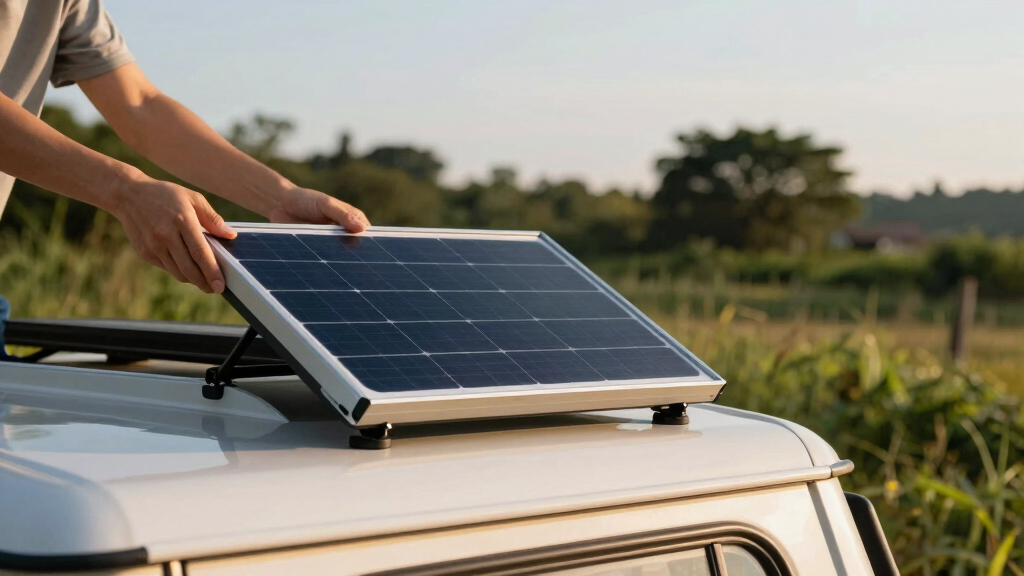
Position your panel correctly—at a 45-degree angle toward the sun—for maximum output.
Regular cleaning and proper storage extend your panel’s lifespan and efficiency.
What Makes a Portable Solar Panel Truly Compact and Easy to Carry?
Compact solar panels are designed to be both lightweight and foldable, so you can stash them into a backpack or attach them to your gear. A typical panel weighs between 1 to 4 pounds and folds down to the size of a loaf of bread or smaller. The best models use flexible, durable materials that bend without cracking, letting you place them on uneven surfaces or even wrap them around a tent pole.
Imagine unfolding a sleek, black solar blanket in the morning sun, then rolling it up after a quick charge. It’s like having a portable energy station that disappears into your gear. This portability isn’t just about weight; it’s about how seamlessly it integrates into your outdoor lifestyle.
Understanding what contributes to a panel’s portability helps you weigh tradeoffs—lighter panels often have lower wattage or less durable materials, while more robust options may be slightly heavier. Choosing the right balance depends on your activity level and how much gear you’re willing to carry. The materials used, such as flexible polymers versus rigid glass, also determine how well the panel withstands environmental stressors and how easily it can be packed away after use. For example, flexible polymer panels tend to be lighter and more resistant to breaking if bent, but may have slightly lower durability against sharp objects, whereas rigid glass panels are more robust but less portable.
Products Worth Considering

Bose TV Speaker (2nd Gen) Compact Soundbar with Bluetooth and HDMI Connectivity

Bose SoundLink Flex Bluetooth Speaker (2nd Gen), Portable Waterproof Speaker, Black

Bose TV Speaker Compact Soundbar with Bluetooth and HDMI-ARC, Black
As an affiliate, we earn on qualifying purchases.
How Much Power Do You Really Need from a Compact Solar Panel?
Power needs vary wildly—charging a smartphone takes about 5V/2A, while a laptop might need 19V/3A or more. Compact solar panels usually range from 10W to 200W. A 50W panel can comfortably charge your smartphone and tablet simultaneously, while a 150W panel can handle a small laptop or multiple devices at once.
It’s important to understand that higher wattage panels can deliver more power faster but often come with increased weight, size, and cost. This creates a tradeoff where you must balance your need for quick, high-volume charging against portability. For example, a 200W panel might be ideal for powering small appliances or multiple gadgets, but it may be less convenient to carry on a solo hike or in a compact backpack.
Assessing your typical device usage and how frequently you’ll need to recharge helps determine the appropriate wattage. If you primarily need to keep smartphones, cameras, or small tablets charged, a lower wattage panel might suffice, offering greater portability. Conversely, if your outdoor activities involve powering larger devices or multiple gadgets regularly, investing in a higher-wattage panel ensures you won’t be left short. Matching your power needs with panel wattage helps prevent overspending on unnecessary capacity or experiencing insufficient power, which could lead to slower charging times and frustration. This balance is crucial for maintaining efficiency and ensuring your energy setup aligns with your outdoor lifestyle or emergency preparedness plans.
Comparison Table: Portable Solar Panel Features at a Glance
| Feature | Entry-Level (10-50W) | Mid-Range (50-150W) | High-End (150W+) |
|---|---|---|---|
| Weight | 1-2 lbs | 3-4 lbs | 4+ lbs |
| Size (folded) | Small wallet | Book-sized | Carrying case |
| Durability | Weather-resistant | Weatherproof, rugged build | Heavy-duty, flexible materials |
| Output ports | USB only | Multiple USB + DC | AC, USB, DC |
| Integrated battery | Rare | Optional | Common |
Choosing the right panel depends on your specific needs—balancing portability, power output, and durability. A lightweight, entry-level panel is great for quick charges and minimal gear, but if you need to power larger devices or multiple gadgets, investing in mid-range or high-end models offers enhanced features and performance. Consider what tradeoffs you’re willing to accept: lighter panels may have fewer ports or lower durability, while more robust options might add weight but provide greater reliability and capacity. Matching these features to your activity and environment ensures you get the best value and performance for your outdoor adventures or emergency preparedness.
Latest Tech Making Compact Solar Panels Smarter and More Efficient
Modern panels now feature monocrystalline cells that boost efficiency by up to 25%. These high-efficiency cells convert more sunlight into usable energy, which is especially beneficial in cloudy or low-light conditions, reducing the size and weight needed for the same power output. This means you can achieve the same energy generation with a smaller, lighter panel, making portability even easier without sacrificing performance. Some models include integrated batteries, allowing you to store excess energy for nighttime or overcast days, which enhances reliability and independence from weather variability. This feature enables continuous power supply, critical during extended trips or emergencies. Others connect to smartphone apps that monitor output, tell you when to reposition the panel for maximum sun exposure, or alert you if performance drops, helping you optimize your setup. These innovations reduce guesswork, improve efficiency, and extend the lifespan of your gear.
Imagine a foldable panel with a sleek app interface, showing real-time wattage, weather conditions, and battery status. This tech not only simplifies management but also provides valuable data to improve efficiency over time. The inclusion of flexible, lightweight materials that conform to surfaces reduces bulk and increases versatility, making your setup more adaptable to different environments. Eco-friendly manufacturing processes further enhance sustainability, aligning performance with environmental responsibility. These technological advancements mean that portable solar solutions are becoming more than just a power source—they are smart, adaptable tools that can significantly enhance your outdoor experience while reducing environmental impact.
How to Choose the Best Compact Solar Panel for Your Needs
- Assess your power needs—list devices and estimate daily energy use.
- Decide on portability—consider weight and folded size.
- Check durability—look for weather-resistant or waterproof ratings.
- Look at output options—USB, DC, AC ports, or integrated batteries.
- Compare prices and reviews—balance quality with your budget.
Understanding your specific needs and environment is crucial. For example, if you frequently hike in sunny, remote areas, prioritize lightweight, flexible panels that can be easily stowed and set up. If you’re preparing for emergencies or off-grid living, durability and battery integration become more critical, as you’ll rely on the panel in less predictable conditions. Recognizing the tradeoffs—such as increased weight for higher capacity—helps you select a panel that aligns with your activity level and energy demands. Carefully evaluating these factors ensures you invest in a system that offers reliable performance without unnecessary bulk, enhancing your outdoor experience or emergency readiness.
Remember: a higher wattage panel often costs more but can power more devices faster. Find the balance that matches your adventure style or prep plan, ensuring you’re equipped without overburdening yourself.
Real-World Example: How a Camper Used a Compact Panel to Keep Devices Charged
Sarah took her 100W foldable solar panel on a week-long kayaking trip in the Rockies. With it, she kept her phone, GPS device, and camera topped up, even during cloudy afternoons. The panel’s lightweight design fit easily into her dry bag, and its weather-resistant shell handled splashes and wind.
By positioning it at the right angle toward the sun, she got steady power all day. At night, she used the built-in battery to charge her devices indoors. This simple setup saved her from scrambling for power outlets or relying on backup batteries.
This scenario shows how investing in a reliable, portable solar panel can turn outdoor adventures into worry-free experiences.
Tips to Get the Most Out of Your Compact Solar Panel
- Position the panel at a 45-degree angle toward the sun for maximum efficiency.
- Clean the surface regularly—dust and dirt cut down energy output.
- Keep the panel in the shade when not in use to prevent unnecessary wear.
- Use a sun-tracking mount if you want to optimize angle throughout the day.
- Store your panel in a cool, dry place when not in use to extend its lifespan.
For example, a hiker found that adjusting her panel’s angle every few hours boosted her charging speed by 15%. Small tweaks can make a big difference in how much power you harvest, especially when sunlight conditions change throughout the day. Proper positioning and regular maintenance ensure your panel operates at peak efficiency, prolonging its lifespan and maximizing your energy harvest in various outdoor environments.
Frequently Asked Questions
Can portable solar panels fully charge a laptop?
Most portable panels in the 100-200W range can charge laptops, especially if they include compatible outlets or integrated batteries. Keep in mind, charging times vary depending on sunlight and panel wattage.Are foldable solar panels durable enough for rough outdoor use?
Yes, many are built with rugged, weather-resistant materials designed to withstand outdoor conditions. Always check for IP ratings and user reviews before choosing a model for harsh environments.How long does it take to charge a smartphone with a portable panel?
In ideal sunlight, a 50W panel can fully charge a smartphone in about 1-2 hours. Cloudy weather extends that time, so consider panels with built-in batteries for backup power.Do I need to be an expert to set up and use a portable solar panel?
Not at all. Most models are plug-and-play—just unfold, position toward the sun, and connect your device. Smart panels with app integration make monitoring even easier.What should I do if my portable panel gets dirty or wet?
Clean the surface gently with a damp cloth and avoid harsh chemicals. Most panels are weather-resistant but not waterproof—store them in a dry place when not in use to prolong their lifespan.Conclusion
In the end, a well-chosen compact portable solar panel gives you freedom—power when and where you need it. It’s a small investment for big peace of mind during outdoor adventures or emergencies.
Think of it as your personal energy buddy, quietly soaking up the sun so you don’t have to worry about dead batteries. Ready to harness the sun’s power on your next adventure?