
When comparing interior wall materials for your tiny home, consider insulation efficiency, weight, and durability to suit your climate and space needs. Look at options like spray foam for insulation, drywall for a sleek look, or reclaimed wood for rustic charm. Think about installation ease, moisture resistance, and long-term maintenance costs. Balancing upfront expenses with energy savings and style will help you choose the best fit. Keep exploring to discover how each material can enhance your tiny home.

Get compact home essentials delivered free with Prime
- Fast, free delivery on millions of items
- Prime Video, Amazon Music and more included
- Member-only deals all year
Key Takeaways
- Assess thermal insulation properties to ensure energy efficiency suited to your climate and tiny home design.
- Consider weight and ease of installation to optimize construction speed and structural load.
- Evaluate moisture resistance and durability for low maintenance and long-term performance.
- Match aesthetic preferences with material options like reclaimed wood, drywall, or metal finishes.
- Analyze cost versus long-term savings, factoring in durability, energy efficiency, and upkeep expenses.
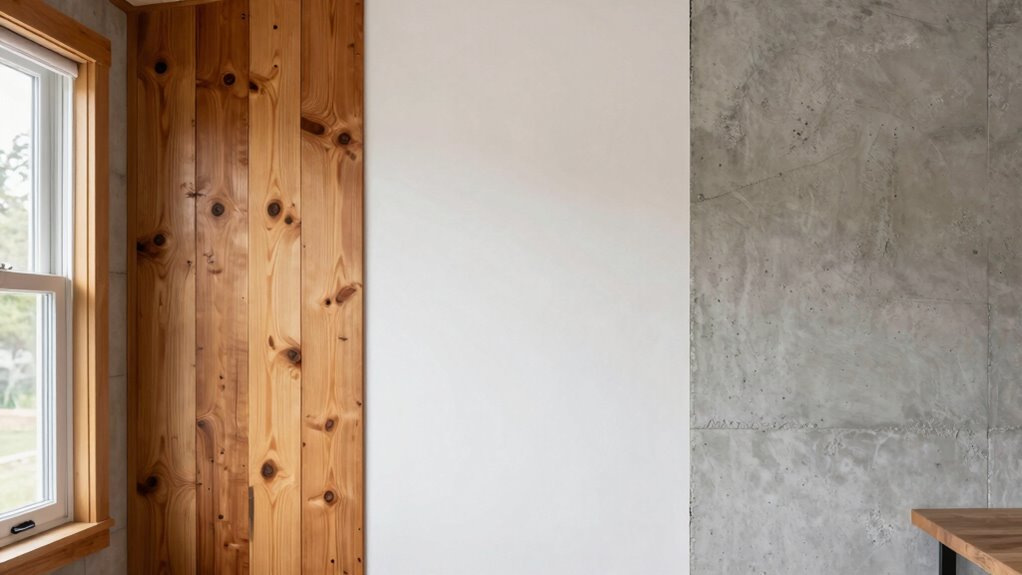
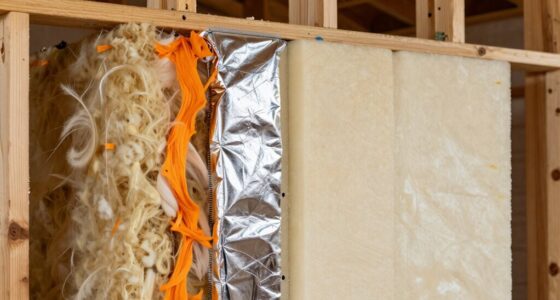
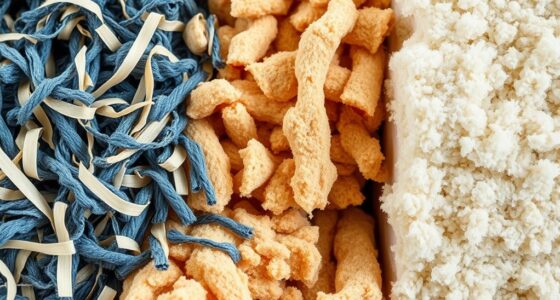
Are you wondering which interior wall materials are best suited for tiny homes? When you’re choosing materials, it’s essential to evaluate how they impact your space’s comfort, aesthetics, and efficiency. Wall insulation plays a significant role here, as it determines how well your tiny home retains heat in winter and stays cool during summer. Materials like spray foam, fiberglass batts, or rigid foam boards each offer different levels of insulation efficiency and ease of installation. For small spaces, you want something that provides excellent thermal performance without taking up too much room or adding excessive weight. Think about how much thermal protection you need based on your climate and the overall design of your tiny home.
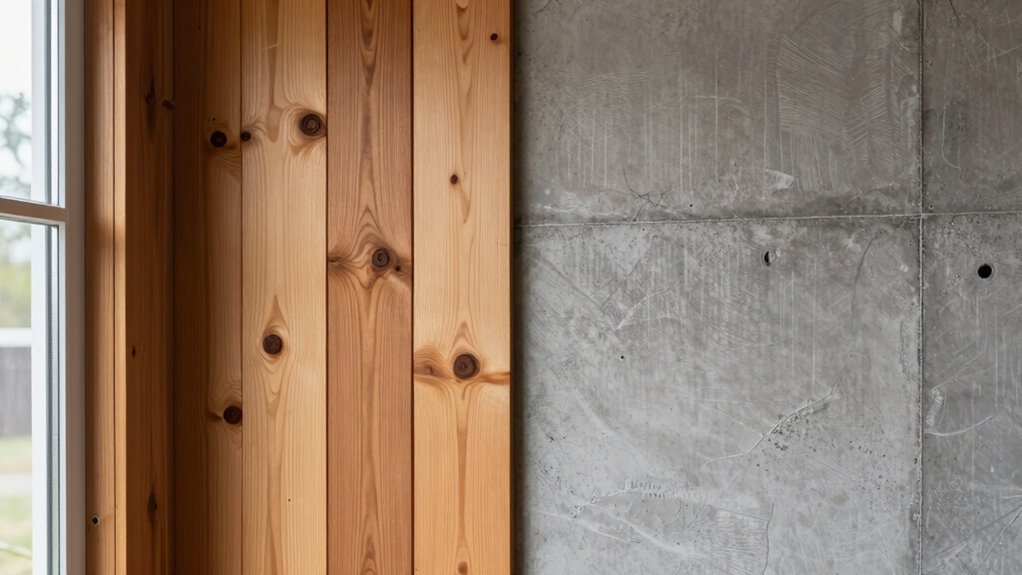
Beyond insulation, decorative finishes are just as important because they directly influence the look and feel of your interior. Some wall materials come pre-finished or are easy to paint, giving you flexibility in customizing your space. Plywood or reclaimed wood panels add warmth and a rustic charm, while smooth drywall offers a clean, modern aesthetic. If you prefer a sleek, minimalist vibe, consider materials like metal panels or laminate finishes. Your choice of decorative finishes should align with your style preferences and maintenance expectations. For example, painted walls make it simple to change colors frequently, while textured surfaces might hide imperfections better. Additionally, choosing lightweight materials can help reduce the overall load on your tiny home’s structure, making installation easier and more feasible within weight restrictions. Considering moisture resistance in your material selection can also prevent problems caused by humidity or condensation. Furthermore, inspecting the installation process of each material can help ensure your project stays on schedule and within budget. It’s also worth noting that thermal efficiency can vary widely among different wall materials, impacting your energy bills and comfort levels.
When comparing interior wall materials, think about their weight and ease of installation, especially since tiny homes often have weight restrictions and limited space for construction. Lighter materials such as foam board or thin paneling are advantageous because they reduce the load on your structure and are typically easier to handle. Also, explore options with durability and low maintenance needs—some materials are more resistant to moisture, mold, and scratches, which is vital in small, enclosed environments. You’ll want materials that can stand up to daily wear and tear without demanding extensive upkeep.
Cost is another factor to weigh. While some options like spray foam insulation and custom finishes may be more expensive upfront, they can offer long-term savings through energy efficiency and durability. Conversely, more affordable materials like basic drywall or peel-and-stick wallpaper might suit tight budgets but could require more frequent repairs or replacements.
Ultimately, comparing interior wall materials for your tiny home involves balancing insulation capabilities, decorative options, weight, durability, ease of installation, and cost. By considering each of these aspects carefully, you can select materials that optimize your comfort, style, and functionality in your compact living space.
interior wall insulation for tiny homes
As an affiliate, we earn on qualifying purchases.
As an affiliate, we earn on qualifying purchases.
Frequently Asked Questions
How Do Wall Materials Affect Tiny Home Insulation?
Wall materials notably impact your tiny home’s insulation efficiency by influencing wall thermal performance. Choose materials with high insulation values, like foam board or insulated panels, to keep warmth in and cold out. The right wall material reduces energy costs and maintains comfort. Pay attention to each material’s thermal properties to optimize insulation, ensuring your tiny home stays cozy year-round without excessive heating or cooling.
Are There Eco-Friendly Interior Wall Options for Tiny Homes?
Yes, you have eco-friendly options like reclaimed wood and natural plasters for tiny home interiors. Reclaimed wood reduces waste and gives your space a rustic, warm feel, while natural plasters use eco-friendly ingredients, improve air quality, and add texture. Both choices are sustainable, non-toxic, and stylish, helping you create an environmentally conscious tiny home without sacrificing aesthetics or comfort.
Which Wall Materials Are Most Fire-Resistant?
Choosing fire-resistant wall materials is essential, like armor protecting your tiny home. You should look for options with fire-resistant coatings, which help prevent flames from spreading. Materials such as Type X drywall and cement board meet strict fire safety regulations and are highly resistant to heat. These options provide peace of mind, ensuring your home stays safe during emergencies while complying with local fire safety regulations.
How Do Wall Materials Impact Tiny Home Resale Value?
Wall materials considerably impact your tiny home’s resale value by enhancing wall durability and aesthetic versatility. Durable materials like fiber cement or metal resist wear, appealing to buyers seeking longevity. Aesthetic versatility allows you to customize interiors, making your home more attractive. When you choose high-quality, versatile materials, you boost your tiny home’s appeal, increasing its resale value and attracting more potential buyers who appreciate both durability and design flexibility.
Can Interior Walls Be Easily Customized or Painted?
Think of your tiny home as a blank canvas, ready for your creativity. Interior walls are easily customizable and paint-compatible, making it simple to transform your space. You can choose materials that allow for quick painting or even add personal touches like wallpaper or decals. With a little effort, your interior can reflect your style, and the customization options make it easy to update or change your walls as your taste evolves.
Conclusion
Choosing the right interior wall material for your tiny home isn’t just about aesthetics; it’s about creating a space that reflects your lifestyle. As you consider durability, weight, and style, you might find yourself unexpectedly drawn to options that blend seamlessly with your needs. Sometimes, the perfect wall material appears when you least expect it—just like a well-placed accent or a clever storage solution. Ultimately, your tiny home becomes a true reflection of your unique journey.
Fall Picks
fall essentials
As an affiliate, we earn on qualifying purchases.