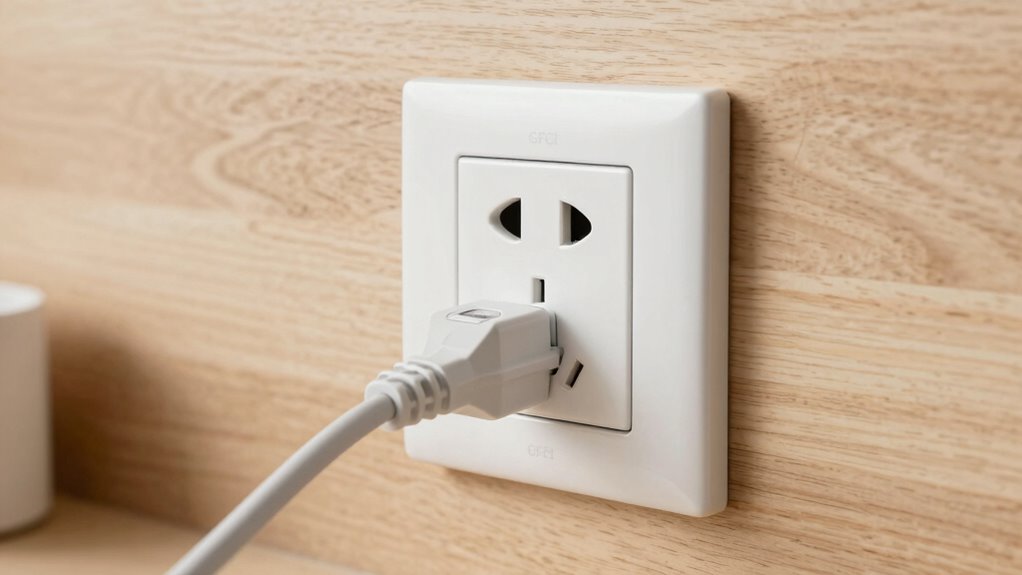

GFCI protection in a tiny house means having devices that monitor electrical flow and instantly shut off power if they detect leaks or ground faults. This is especially important in small living spaces where water sources like sinks, showers, or outdoor areas are common. GFCIs help prevent electric shocks and keep you safe from potential hazards. To understand how to properly install and maintain these safety devices, there’s more valuable information ahead.

Get compact home essentials delivered free with Prime
- Fast, free delivery on millions of items
- Prime Video, Amazon Music and more included
- Member-only deals all year
Key Takeaways
- GFCI protection prevents electrical shock by cutting power during ground faults, crucial in small, water-prone tiny houses.
- It monitors electrical flow for imbalances, quickly shutting off power to prevent injury.
- Installing GFCIs in bathrooms, kitchens, and outdoor areas enhances safety in compact living spaces.
- Proper grounding and adherence to local electrical codes ensure GFCI effectiveness and safety.
- GFCI protection promotes overall electrical safety, reducing hazards in the limited space of a tiny house.
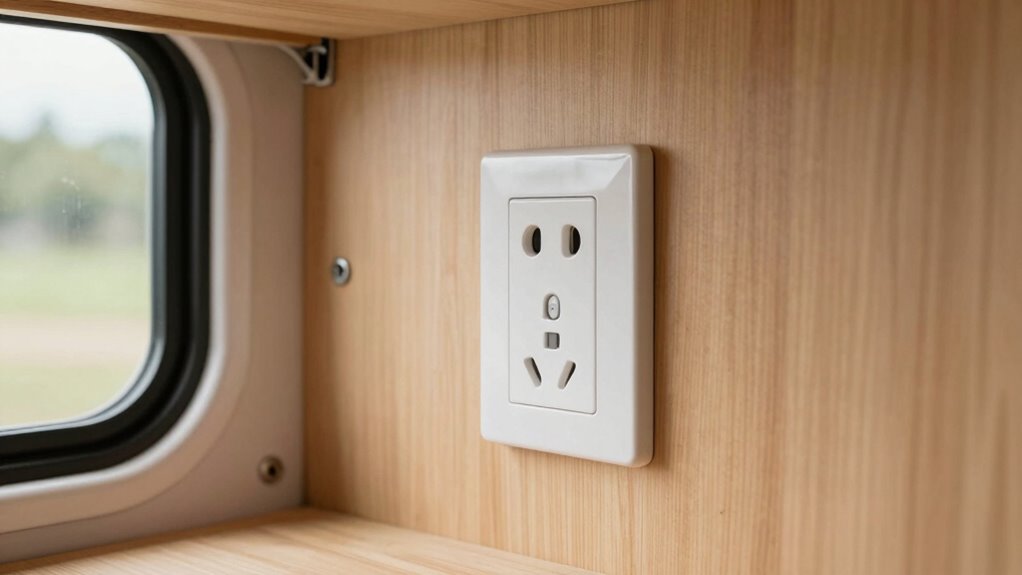
Tiny houses offer a unique and efficient living space, but safety should always come first—especially when it comes to electrical systems. One essential safety feature to consider is GFCI protection, which stands for Ground Fault Circuit Interrupter. GFCIs are designed to prevent electrical shock by cutting off power when they detect a ground fault or leakage. In a tiny house, where space is limited and often close to water sources like kitchens and bathrooms, GFCI protection becomes even more critical. It helps you avoid dangerous shocks that could occur from faulty wiring or accidental contact with water, creating a safer environment for everyone living there.
Understanding what GFCI protection means in your tiny house requires knowing that these devices monitor the flow of electricity in a circuit. When they sense an imbalance—say, if electricity is leaking to the ground—they immediately shut off power. This rapid response can make a significant difference during an emergency, preventing injury or even saving lives. It’s important to note that electrical safety isn’t just about installing GFCIs; it’s also about making sure your entire electrical system complies with local electrical codes. Code compliance isn’t just a bureaucratic requirement; it’s a key step in making sure your tiny house is safe and reliable. Proper wiring, grounding, and GFCI installation all play a role in maintaining safety standards.
GFCIs detect electrical imbalances and shut off power instantly, preventing shocks and ensuring your tiny house’s safety.
When you’re planning your tiny house’s electrical system, you should prioritize GFCI outlets in areas where water is present or where electrical devices could come into contact with moisture. Many building codes mandate GFCI protection for outlets in bathrooms, kitchens, laundry areas, and outdoor spaces. Installing GFCIs in these locations is straightforward and provides peace of mind, knowing that if a ground fault occurs, the circuit will trip instantly, reducing the risk of electric shock. Additionally, you should verify that your wiring and electrical panels meet code requirements, ensuring your tiny house’s electrical system is safe, efficient, and compliant. Incorporating proper installation techniques can further enhance safety and functionality in your electrical setup.
It’s also worth noting that adhering to regional regulations and understanding local electrical code requirements can further enhance your safety measures. Incorporating proper grounding techniques is equally important, as it helps prevent electrical faults from causing shocks or fires. Proper grounding can also improve the overall electrical system safety of your tiny home. Additionally, understanding the role of ground fault protection in maintaining your electrical safety can help you make informed decisions during installation. Ultimately, GFCI protection isn’t just a safety feature; it’s a key element of responsible electrical safety practices. It safeguards you and your loved ones from potential hazards and helps you adhere to code compliance standards. In a tiny house, where every square foot counts, installing GFCIs in key locations maximizes safety without taking up unnecessary space. By understanding and implementing GFCI protection correctly, you make certain your tiny home remains a safe, secure place to live, with electrical safety at the forefront.
As an affiliate, we earn on qualifying purchases.
Frequently Asked Questions
Can GFCI Outlets Be Used Outdoors in Tiny Houses?
Yes, you can use GFCI outlets outdoors in your tiny house. Just make sure to choose weatherproof outlets designed for outdoor wiring. These outlets feature protective covers that keep moisture and debris out, ensuring safety and durability. Installing outdoor GFCI outlets helps prevent electrical hazards caused by water exposure, giving you peace of mind while using outdoor spaces. Always follow local codes and manufacturer instructions for proper installation.
How Often Should GFCI Outlets Be Tested for Safety?
You should test your GFCI outlets at least once a month to guarantee electrical safety. For example, if you notice the outlet isn’t tripping when you press the test button, it could be a sign of wear or malfunction. Regular maintenance tips like checking for corrosion or loose connections help keep your tiny house safe. Testing frequently ensures your GFCI protects you from electrical shocks and prevents potential hazards.
Are GFCI Protections Required in All Tiny House Electrical Setups?
Yes, GFCI protections are generally required in all tiny house electrical setups, especially in areas with moisture like kitchens and bathrooms. You need to guarantee proper electrical grounding and circuit compatibility to prevent electrical shocks. Installing GFCI outlets helps protect you by automatically shutting off power if a ground fault occurs. Regular testing, at least once a month, guarantees your GFCI outlets function correctly, keeping you safe in your tiny home.
What Are the Costs Associated With Installing GFCI Protection?
The costs for installing GFCI protection vary based on your setup, with a typical cost comparison around $15 to $50 per GFCI outlet or breaker. You might face installation challenges, especially in tight tiny house spaces or with complex wiring. Labor costs can add up if you hire an electrician. Overall, budgeting around $50 to $150 per GFCI device is wise, considering both materials and potential installation hurdles.
Do GFCI Outlets Need Special Wiring or Installation Procedures?
Imagine safety as a gentle guardian watching over your tiny house. GFCI outlets don’t need special wiring; standard wiring suffices, but you must follow specific installation guidelines. You should connect the hot and neutral wires correctly, ensuring they meet electrical codes. While installing, verify that the GFCI device is properly grounded and tested for safety. This straightforward process enhances protection without complicating your wiring, keeping your tiny home secure.
Conclusion
So, next time you curse those pesky GFCI outlets, remember—they’re like tiny superheroes keeping you safe in your cozy tiny house. Ironically, their constant beeping might annoy you, but without them, a small mistake could turn your dream home into a shocking nightmare. Embrace these little protectors—they might be inconvenient, but they’re the only thing standing between you and a shocking surprise. After all, safety’s worth a few sparks of annoyance, isn’t it?
Fall Picks
fall essentials
As an affiliate, we earn on qualifying purchases.