To maintain health while living small, focus on quick, effective workouts like bodyweight exercises, yoga, and HIIT routines that fit into tight spaces. Opt for nutrient-dense, simple meals prepared with minimal ingredients, and schedule regular meal prep to save time. Organize your space to support activity and eat well. Staying consistent with these smart habits boosts your overall well-being, and exploring more tips can help you make the most of your limited space.
Key Takeaways
- Incorporate space-saving bodyweight workouts like push-ups, squats, and yoga for effective exercise in small areas.
- Optimize your environment with minimal equipment and designated zones to stay organized and motivated.
- Prepare nutrient-dense, minimal-ingredient meals using quick recipes and small appliances for convenience.
- Plan and batch meals in small containers to ensure balanced nutrition despite limited kitchen space.
- Maintain consistent routines and adapt your living space to support health goals through organization and smart choices.

Ever wondered how to stay healthy when your living space is small? It’s a common challenge, but with a little creativity, you can maintain a robust fitness routine and eat nutritious meals without needing a lot of room. The key lies in focusing on space saving workouts and nutritious compact meals that fit seamlessly into your compact environment. You don’t need a full gym or a large kitchen to keep your health on track.
Start by exploring space saving workouts. You can do effective exercises in a tiny corner or even in your living room. Bodyweight moves like push-ups, squats, lunges, and planks are perfect because they require no equipment and can be done in small spaces. Incorporate high-intensity interval training (HIIT) to maximize your workout in a short amount of time. For example, alternate between 30 seconds of jumping jacks and 30 seconds of rest, then move onto push-ups or burpees. These quick routines don’t need much space but deliver real results. Yoga and stretching are also excellent low-impact options, helping improve flexibility and mental clarity without taking up much room. All you need is a mat or even just a towel, and you’re good to go. The key is consistency—short, daily sessions are more effective than sporadic, longer workouts.
Maximize small spaces with bodyweight workouts, HIIT, yoga, and stretching for effective daily fitness routines.
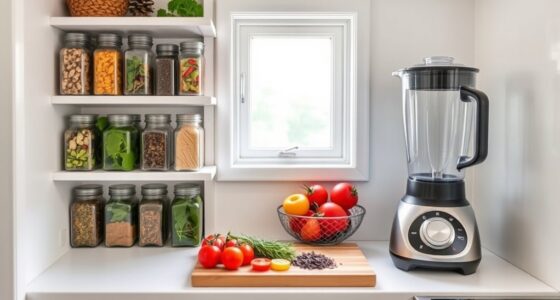
When it comes to nutrition, focus on nutritious compact meals. These are meals that pack a punch of nutrients without requiring a lot of ingredients or prep space. Think about smoothies made with fruits, greens, and protein powder, or salads with pre-cut vegetables and lean protein. Meal prepping in small containers allows you to prepare several meals at once, saving you time and effort during busy weekdays. You can also incorporate shelf-stable foods like canned beans, rice, and canned tuna to create quick, wholesome meals. Investing in a small blender or food processor can expand your options, allowing you to whip up healthy snacks and meals easily. Remember, eating well doesn’t have to be complicated or time-consuming; it’s about making smart choices that fit your living situation.
In essence, maintaining your health in a small space is absolutely doable when you leverage space saving workouts and nutritious compact meals. Keep your routines simple but effective, stay consistent, and adapt your environment to support your goals. With a little planning and ingenuity, you can enjoy a healthy lifestyle without the need for a sprawling home or elaborate equipment. It’s all about making the most of what you have and staying committed to your well-being.
Frequently Asked Questions
How Do I Ensure Proper Ventilation in a Tiny Space?
To guarantee proper ventilation in a tiny space, you should focus on improving air quality with effective ventilation systems. Open windows regularly to let fresh air in and circulate, and use exhaust fans in areas like the kitchen and bathroom. Consider installing a small air purifier with a HEPA filter to reduce pollutants. These steps help maintain healthy air quality, prevent stuffiness, and keep your tiny home comfortable and safe.
What Are Effective Ways to Store Healthy Food Efficiently?
You can store healthy food efficiently by using portable storage options like stackable containers and collapsible bags, which save space. Focus on food preservation techniques such as vacuum sealing, freezing, and airtight jars to keep your produce fresh longer. These methods help you maximize limited space, reduce waste, and guarantee you always have nutritious options readily available, supporting your health while living small.
How Can I Stay Physically Active in a Small Living Area?
Think of your space as your personal gym, like a small but mighty dojo. You can stay active by doing compact workouts and creative exercises that require minimal space—think bodyweight moves, yoga, or high-intensity interval training. Use furniture creatively, like stairs for step-ups or a sturdy chair for dips. Regularly switching routines keeps it engaging, helping you stay fit without needing a lot of room or equipment.
What Are Quick and Healthy Meal Prep Tips for Tiny Homes?
You can save time and stay healthy by meal planning ahead and choosing ingredient shortcuts. Keep versatile ingredients like pre-washed greens, pre-cooked grains, and ready-made sauces on hand. Quickly assemble meals by combining fresh produce with these shortcuts, reducing prep time. Use a slow cooker or Instant Pot for set-it-and-forget-it meals. This way, you maintain a balanced diet without cluttering your small space or spending hours in the kitchen.
How Do I Manage Stress and Mental Health in Limited Space?
Managing stress and mental health in a small space is simple with consistent mindfulness practices and accessible mental health resources. You can start by doing daily deep breathing or journaling to boost your mood. Create cozy, calming corners for meditation or relaxation. Stay connected with friends online or through phone calls, and don’t hesitate to seek professional support if needed. Prioritizing your mental well-being keeps your small space a sanctuary.
Conclusion
Living small doesn’t mean sacrificing your health. With intentional choices, you can still stay active, eat well, and enjoy a healthy lifestyle. Did you know that people who live in tiny homes report less stress and better mental health? By prioritizing movement and mindful habits, you’ll thrive in your compact space. Remember, quality over quantity matters—your well-being is within reach, no matter the size of your home.