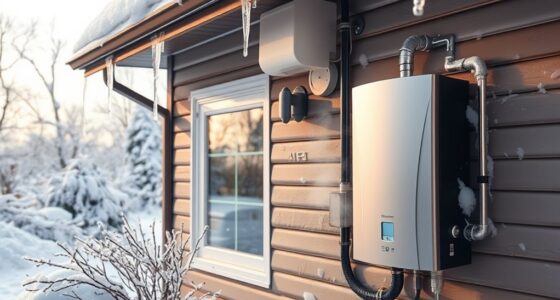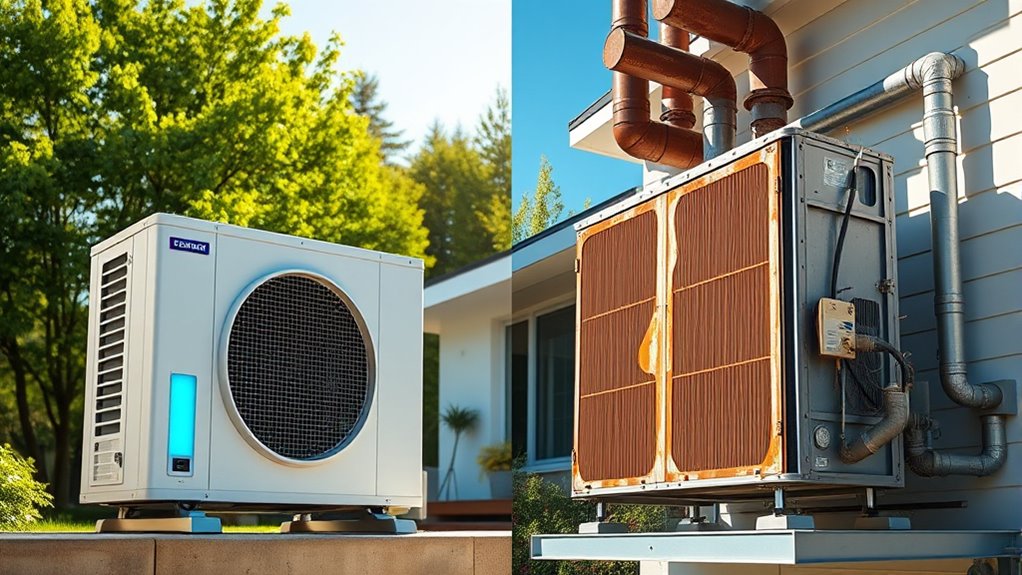

Did you know that by 2025, heat pumps are expected to account for over 60% of new HVAC installations in many regions? As energy efficiency becomes a top priority, more homeowners are considering heat pumps over traditional systems. But are they the right choice for everyone? The decision isn’t straightforward, and understanding the pros and cons could impact your long-term comfort and costs. Let’s explore which system might truly win out this year.
Key Takeaways
- Heat pumps offer superior energy efficiency and lower operational costs compared to traditional HVAC systems in 2025.
- Initial installation costs for heat pumps are higher but are offset by long-term energy savings and incentives.
- Advances in heat pump technology enhance cold-weather performance, making them viable in more climates.
- Traditional HVAC units may still be preferable in extremely cold regions due to performance limitations of some heat pumps.
- Overall, heat pumps are projected to dominate the market in 2025 due to their cost savings and environmental benefits.
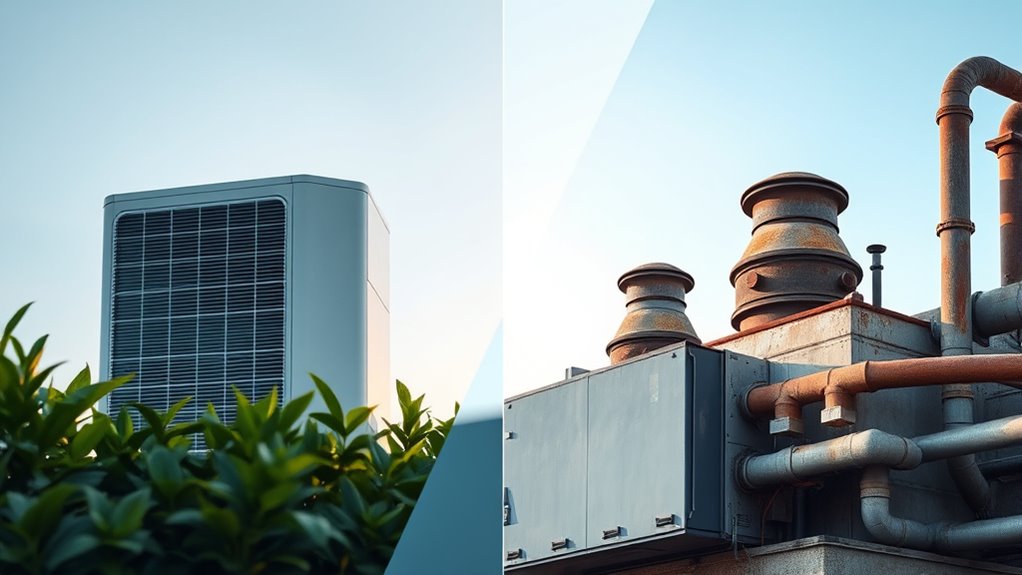
When choosing a heating and cooling system for your home, understanding the differences between heat pumps and traditional HVAC units is vital. One of the main factors to consider is energy efficiency. Heat pumps are generally more energy-efficient because they transfer heat rather than generate it. During winter, they extract heat from the outside air—even when it’s cold—and bring it inside, reducing electricity consumption compared to electric furnaces or boilers. Similarly, in summer, they work as air conditioners, moving heat out of your home efficiently. Traditional HVAC systems, on the other hand, often rely on separate components like furnaces and air conditioners, which can consume more energy individually. While a high-efficiency furnace might save some energy, it typically doesn’t match the overall efficiency of a heat pump’s heat transfer process. This difference in energy efficiency can considerably impact your utility bills over time, especially as energy prices fluctuate. Additionally, advancements in heat pump technology have expanded their effectiveness in colder climates, making them a more versatile choice for many homes.
Installation costs are another vital aspect to weigh. Heat pumps tend to have higher upfront costs than traditional HVAC units, mainly because of the technology involved and the complexity of installation. For instance, a ductless mini-split heat pump might require less extensive ductwork, which can lower installation costs, but a central heat pump system needs proper ducting, adding to the expense. Traditional HVAC systems, especially if you’re replacing an existing setup, can sometimes be cheaper to install because they’re more straightforward and familiar to many installers. However, keep in mind that the initial investment in a heat pump can pay off in the long run through lower energy bills and fewer maintenance needs. Also, with current incentives and rebates for energy-efficient appliances, the gap in installation costs may narrow, making heat pumps a more attractive option financially.
Ultimately, your choice depends on your climate, budget, and long-term goals. If you want a system that offers superior energy efficiency and lower ongoing operating costs, a heat pump might be the best fit. But if upfront costs are your primary concern or you live in an area with very cold winters where heat pumps struggle, a traditional HVAC system could still be a viable option. Regardless, understanding these key differences will help you make an informed decision that balances initial investment with ongoing savings and comfort.
heat pump vs traditional HVAC system
As an affiliate, we earn on qualifying purchases.
As an affiliate, we earn on qualifying purchases.
Conclusion
As you weigh your options, think of your HVAC system as the heart of your home’s comfort. In 2025, heat pumps are like a rising tide—bringing energy efficiency and versatility that’s hard to ignore. While traditional systems still hold ground in extreme cold, the momentum is shifting. Embracing a heat pump now means riding the wave of innovation and savings, ensuring your home stays cozy and efficient for years to come.

23,000 BTU Ductless Mini Split AC & Heat Pump, 230V, Energy Efficient Inverter with WiFi Control, R32 Refrigerant, Ultra-Quiet, Cools/Heats Up to 1,500 Sq.ft, 7 Modes, Pro Install Kit Included
【Whole-Home Comfort & Year-Round Performance】Delivering powerful 23,000 BTU heating and cooling, this mini split unit covers areas up…
As an affiliate, we earn on qualifying purchases.
As an affiliate, we earn on qualifying purchases.

Heating and Cooling with Ground-Source Heat Pumps in Cold and Moderate Climates
As an affiliate, we earn on qualifying purchases.
As an affiliate, we earn on qualifying purchases.

Heat Pumps & Home Energy Rebates: Unlock $ in Rebates and Tax Credits—State-by-State Steps, Installers, and Paperwork
As an affiliate, we earn on qualifying purchases.
As an affiliate, we earn on qualifying purchases.