
Heat-recovery ventilation in small homes improves air quality by continuously exchanging indoor air with fresh outdoor air while capturing heat from the outgoing air. This process helps keep your home comfortable year-round and reduces heat loss, lowering your utility bills. Compact and easy to install, these systems operate quietly and require minimal maintenance. If you want to learn how this smart upgrade can make your home more efficient and healthier, keep exploring the benefits.

Get compact home essentials delivered free with Prime
- Fast, free delivery on millions of items
- Prime Video, Amazon Music and more included
- Member-only deals all year
Key Takeaways
- Maintains fresh indoor air while minimizing heat loss, enhancing comfort year-round.
- Improves indoor air quality through continuous, energy-efficient air exchange.
- Reduces reliance on HVAC systems, lowering utility bills and energy consumption.
- Compact, easy-to-install units suit tight spaces without sacrificing living area.
- Boosts overall energy efficiency by transferring heat and moisture between indoor and outdoor air.
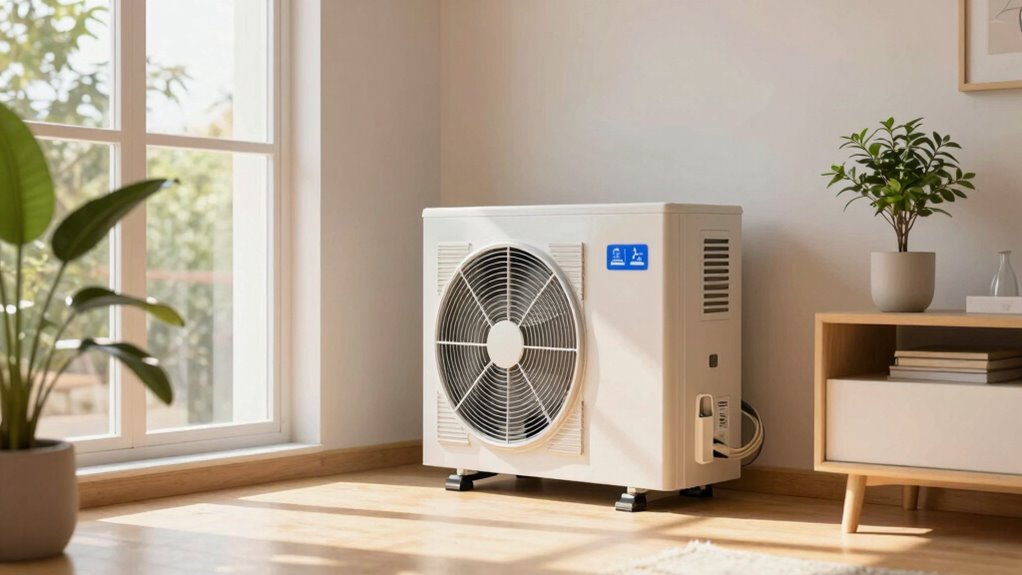
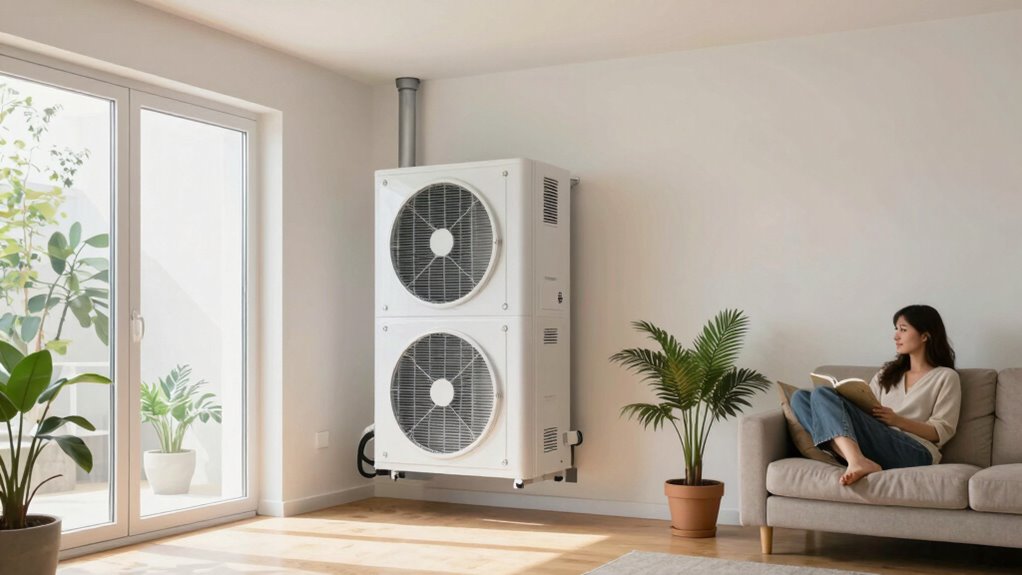
Have you ever wondered how to keep your small home well-ventilated without sacrificing energy efficiency? If so, heat-recovery ventilation (HRV) might be just what you need. This system helps maintain fresh air inside your home while minimizing heat loss, making it a smart choice for small spaces where energy efficiency matters. By continuously exchanging indoor air with fresh outdoor air, HRV improves indoor air quality without forcing your heating or cooling systems to work overtime. That means you stay comfortable, breathe cleaner air, and save on energy bills all at once.
Keep your small home fresh and energy-efficient with heat-recovery ventilation for healthier, more comfortable living.
In small homes, space can be a real challenge, and installing traditional ventilation systems often means sacrificing valuable living area or increasing energy consumption. HRV units are compact and designed specifically for tight spaces. They work by capturing heat from the warm, stale indoor air as it exits and transferring that heat to the incoming fresh air. This process ensures your home stays warm in the winter and cool in the summer, without losing the energy you’ve already invested in heating or cooling. Because of this heat exchange process, your home’s overall energy efficiency gets a boost, reducing your reliance on your HVAC system and lowering your utility bills. Understanding ventilation technology can help you make more informed decisions about your home’s environment.
Installing an HRV system is straightforward, especially if you’re conscious of energy use and indoor air quality. It integrates seamlessly with existing ductwork or can be installed with minimal modifications. Once operational, it runs quietly in the background, requiring little maintenance beyond regular filter checks. Proper gear maintenance and regular inspections ensure the system continues to operate efficiently, providing consistent benefits. Additionally, selecting systems with high contrast ratio can improve the efficiency of heat transfer by optimizing the system’s overall performance. Incorporating energy recovery principles, HRV systems maximize the transfer of heat and moisture, further enhancing their efficiency. The result is a healthier living environment that doesn’t drain your energy budget.
All in all, heat-recovery ventilation offers a practical solution for small homes, balancing the need for good indoor air quality with energy efficiency. It helps you breathe easier, stay comfortable, and keep your utility bills in check—all without sacrificing the cozy feel of your small space. If you want to make your home more efficient and healthier, considering HRV might be one of the best upgrades you can make.
heat recovery ventilation system small home
As an affiliate, we earn on qualifying purchases.
As an affiliate, we earn on qualifying purchases.
Frequently Asked Questions
How Much Does a Heat-Recovery Ventilation System Typically Cost?
A heat-recovery ventilation system typically costs between $2,000 and $6,000, depending on your home’s size and system features. You should consider the cost comparison with traditional ventilation options, as it might be higher upfront but saves energy costs long-term. Keep in mind, installation challenges can add to expenses, especially if your home requires modifications. Consulting a professional can help you understand potential costs and guarantee proper setup.
Are There Any Government Incentives for Installing Heat-Recovery Ventilation?
Yes, you can often access government incentives for installing heat-recovery ventilation systems. Many regions offer subsidies or rebate programs to encourage energy-efficient upgrades. These incentives can substantially lower your installation costs and make your small home more energy-efficient. Check with local or national energy departments to find specific programs available in your area, and take advantage of any financial support to improve your home’s ventilation and reduce energy bills.
What Maintenance Is Required for Heat-Recovery Ventilation Systems?
You need to regularly replace filters in your heat-recovery ventilation system to keep airflow ideal and maintain air quality. Additionally, system calibration guarantees it operates efficiently; you should check and adjust it annually or as recommended by the manufacturer. Regular maintenance also includes cleaning intake and exhaust vents, inspecting fans, and ensuring seals are intact. This keeps your system running smoothly, saving energy and prolonging its lifespan.
Can Heat-Recovery Ventilation Be Integrated With Existing HVAC Systems?
Integrating heat-recovery ventilation with your existing HVAC system is like fitting a new piece into a puzzle—smooth and seamless. You can connect these systems to enhance air quality and maintain comfort without increasing noise levels. This integration often involves adding a dedicated heat exchanger or ventilation unit, which works alongside your current setup. It’s a smart upgrade that boosts energy efficiency and creates a fresher, more comfortable living environment.
How Long Does It Take to See Energy Savings After Installation?
You’ll start noticing energy efficiency benefits within a few days to weeks after installing a heat-recovery ventilation system. The installation timeline varies depending on your home’s size and existing setup, but most homeowners see improvements in energy use within the first month. Keep in mind, consistent operation and proper maintenance help maximize savings, so give your system some time to optimize performance and deliver long-term energy efficiency benefits.
Conclusion
Imagine stepping into your cozy home, where crisp, invigorating air gently whispers through silent vents, warming your space without a hint of chill. Heat-recovery ventilation transforms your small haven into a sanctuary of comfort, balancing air quality and warmth seamlessly. It’s like having a quiet guardian that preserves your home’s energy while enveloping you in a breathable, inviting atmosphere. Embrace this technology, and turn your home into a warm, revitalizing retreat that feels just right.
Halloween Picks
halloween
As an affiliate, we earn on qualifying purchases.