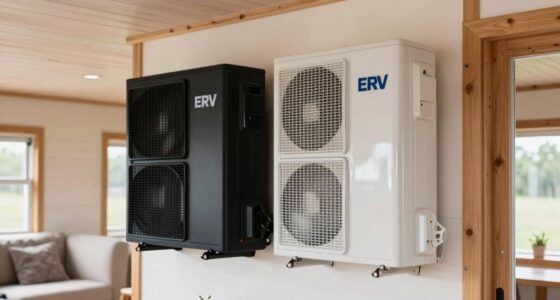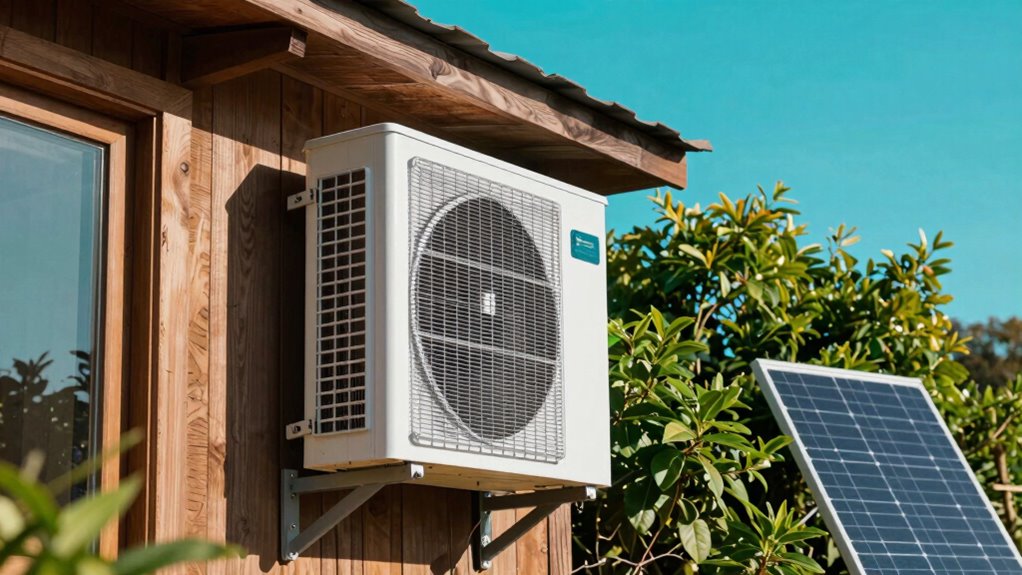

To keep your tiny home or cabin cool in hot climates, consider a package that combines energy-efficient insulation, solar-powered ventilation, and passive design strategies. These solutions work together to improve airflow, reduce heat gain, and lower energy costs. Adding shading devices and reflective coatings further enhances comfort. If you explore further, you’ll discover how these eco-friendly, cost-effective options can create a nearly self-sustaining cooling system tailored for hot climates.

Get compact home essentials delivered free with Prime
- Fast, free delivery on millions of items
- Prime Video, Amazon Music and more included
- Member-only deals all year
Key Takeaways
- Combine high-quality insulation with reflective roof coatings to minimize heat gain and maintain cooler indoor temperatures.
- Incorporate solar-powered vents to naturally exhaust hot air and enhance airflow without energy costs.
- Use passive cooling design strategies like strategically placed vents and thermal mass for effective temperature regulation.
- Add shading devices such as awnings to reduce direct sunlight and heat entry into the tiny home or cabin.
- Opt for eco-friendly, energy-efficient cooling solutions that lower energy bills and support sustainability.
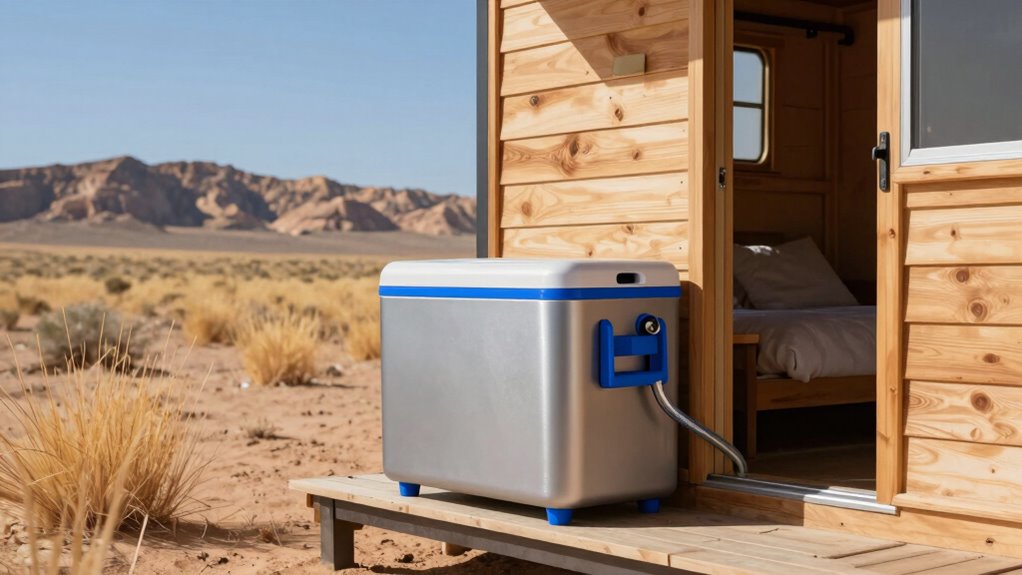
When it comes to tiny homes, staying cool during hot weather can be a challenge, but choosing the right cooling package makes all the difference. Your goal is to keep your space comfortable without driving up energy costs. One of the most effective strategies is investing in energy efficient insulation. This type of insulation is designed to minimize heat transfer, helping your tiny home stay cooler during the day and warmer at night. Good insulation keeps the hot air out and prevents the cooled air inside from escaping, reducing the need for active cooling. It’s a smart investment that pays off over time, especially in hot climates where temperature swings are significant.
Alongside insulation, solar powered ventilation offers a sustainable solution to keep your tiny home cool. Solar vents operate independently of your electrical system, harnessing the sun’s energy to power fans that exhaust hot air from your space. Installing solar powered ventilation can significantly improve airflow, helping hot air escape and cooler air to circulate naturally. This passive cooling method works especially well when paired with energy efficient insulation, creating a balanced system that reduces reliance on air conditioning or fans. Plus, since it’s solar-powered, you don’t have to worry about increasing your energy bills or adding to your carbon footprint.
To maximize the benefits, consider placing vents strategically near the roof or high on walls where hot air tends to accumulate. Good placement ensures hot air rises and exits efficiently, drawing cooler air in through lower vents or open windows. Combining solar powered ventilation with energy efficient insulation creates a nearly self-sustaining cooling system that’s ideal for tiny homes in hot climates. It’s quiet, eco-friendly, and cost-effective—perfect for small spaces where every square inch counts. Additionally, understanding the importance of passive cooling techniques can help you further optimize your setup. Implementing thermal mass can also assist in moderating indoor temperatures by absorbing heat during the day and releasing it at night, further enhancing your cooling strategy. Incorporating ventilation efficiency considerations into your design can further improve overall airflow and cooling performance.
You might also want to add shading devices like awnings or reflective roof coatings to further reduce heat gain. These elements work in tandem with insulation and ventilation to keep your tiny home comfortable. Remember, a holistic approach that includes good insulation to block heat, solar ventilation to expel it, and shading to prevent it from entering in the first place is essential for optimal cooling. When you implement these strategies, you’ll find that staying cool becomes easier, more sustainable, and less expensive. Your tiny home can be a cool oasis even during the hottest days, all while respecting the environment and your budget. Incorporating sustainable cooling methods helps optimize energy efficiency and reduces environmental impact.
energy efficient insulation for tiny homes
As an affiliate, we earn on qualifying purchases.
As an affiliate, we earn on qualifying purchases.
Frequently Asked Questions
How Effective Are Cooling Packages in Extremely Humid Environments?
Cooling packages can be quite effective in extremely humid environments if they include humidity control features and proper ventilation strategies. You’ll want to use dehumidifiers alongside fans or vents to reduce moisture levels, making the space more comfortable. Good ventilation helps circulate air and prevent buildup of humidity. When combined, these strategies improve overall cooling performance, ensuring your tiny home stays cooler and more comfortable despite high humidity levels.
Can Cooling Packages Be Integrated With Solar Power Systems?
Think of cooling packages as a dance partner, perfectly in sync with solar power systems. You can absolutely integrate them, ensuring solar compatibility and smooth system integration. By pairing your cooling system with solar panels, you harness renewable energy to power fans or AC units efficiently. This eco-friendly setup reduces energy bills and enhances sustainability, making your tiny home or cabin a comfortable retreat, even in the hottest, sunniest climates.
What Maintenance Is Required for These Cooling Systems?
You should regularly perform maintenance routines like cleaning filters, checking vents, and inspecting for leaks to keep your cooling system running efficiently. Replacing filters as needed and ensuring electrical connections are secure helps prevent breakdowns. Proper upkeep extends system longevity and maintains ideal cooling performance. Additionally, schedule seasonal inspections to catch issues early, saving you money and ensuring your tiny home stays comfortable during hot weather.
Are Cooling Packages Suitable for Year-Round Use?
Yes, cooling packages are suitable for year-round use if you incorporate proper thermal insulation and choose portable units that adapt to seasonal changes. During colder months, you can switch to heating options or improve insulation to retain warmth, while in hot weather, these systems keep your space comfortable. The portability allows flexibility, and maintaining good insulation guarantees efficiency throughout the year, making cooling packages a versatile solution.
How Do Cooling Packages Impact Overall Energy Consumption?
Cooling packages can considerably cut your energy consumption by boosting energy efficiency, which leads to cost savings. When you use smart, sustainable cooling solutions, you reduce the need for excessive energy, making your tiny home or cabin more eco-friendly. By optimizing airflow and temperature control, you minimize power use and maximize comfort, ensuring your space stays cool without skyrocketing bills. This smart approach sustains savings and supports a greener lifestyle.
Conclusion
So, while some believe that small, well-insulated tiny homes naturally stay cool without extra cooling systems, the truth is, in hot climates, investing in a dedicated cooling package is your best bet. It’s a proven fact that proper ventilation, air conditioning, or mini-split systems considerably improve comfort. Don’t rely solely on insulation—combine it with effective cooling solutions to keep your tiny home cool and livable, no matter how scorching the weather gets.
Halloween Picks
halloween
As an affiliate, we earn on qualifying purchases.