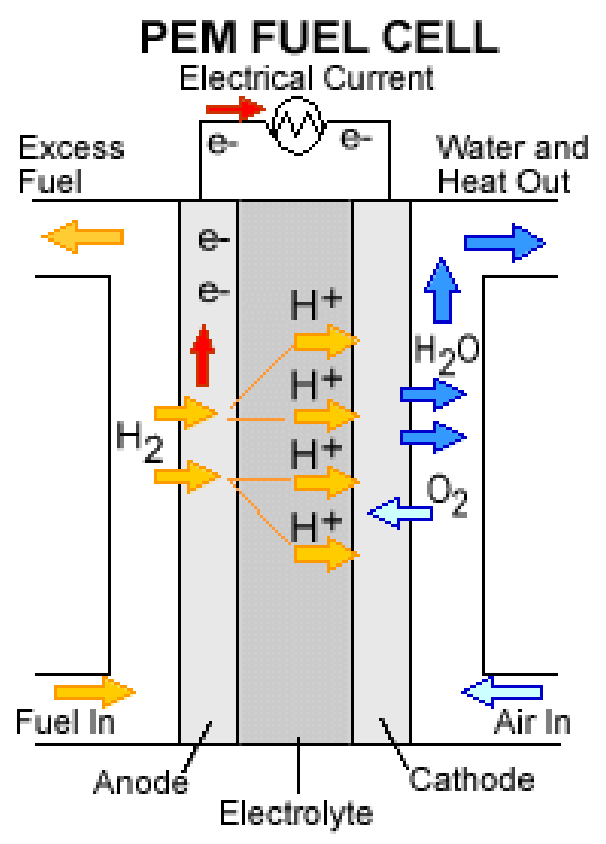

If you’re curious about small-scale hydrogen use, safety is key. Hydrogen is highly flammable, so proper handling, storage, and ventilation are essential. Common methods include high-pressure tanks and cryogenic cooling, but these require regular maintenance and safety checks. Staying aware of evolving regulations and safety standards helps protect you and your system. As technology advances, solutions become safer and more affordable. Keep exploring, and you’ll discover more ways to safely adopt hydrogen for your needs.

Get compact home essentials delivered free with Prime
- Fast, free delivery on millions of items
- Prime Video, Amazon Music and more included
- Member-only deals all year
Key Takeaways
- Small-scale hydrogen use requires understanding safety protocols, proper ventilation, leak detection, and equipment maintenance.
- Storage options include high-pressure tanks and cryogenic liquids, each with specific safety considerations.
- Technological advances improve safety and affordability for home and hobby hydrogen applications.
- Compliance with regulatory standards ensures legal and safe small-scale hydrogen system operation.
- Proper safety practices and ongoing research are essential for successful, risk-free hydrogen adoption at small scales.
Are you curious about hydrogen and its role in energy? If you’re contemplating small-scale adoption, understanding the basics can help you make informed decisions. One of the most important factors to weigh is hydrogen safety. Though hydrogen is a clean and abundant energy source, it’s highly flammable, which raises valid concerns about handling and storage. When managed correctly, hydrogen safety isn’t as intimidating as it might seem. Proper ventilation, leak detection systems, and adherence to safety protocols considerably reduce risks. Many small-scale users find that with the right precautions, hydrogen can be just as safe as other fuels. This means you’ll want to invest in quality equipment and stay vigilant about maintenance and safety procedures. Being aware of potential hazards and knowing how to respond quickly guarantees safe usage, whether you’re fueling a small generator, powering a vehicle, or running a home energy system. Additionally, understanding projector technology can help optimize the setup and ensure your energy space is both efficient and secure. Storage challenges are another critical aspect when it comes to hydrogen. Unlike gasoline or natural gas, hydrogen’s low density makes it tricky to store efficiently. To keep it in a usable form, it often needs to be compressed at high pressures or cooled to very low temperatures to become a liquid. Both methods require specialized, sometimes costly, equipment and present additional safety considerations. High-pressure tanks must be robust and well-maintained to prevent leaks or ruptures, which can be dangerous. On the other hand, liquid hydrogen storage involves cryogenic temperatures that can lead to material brittleness and thermal management issues. These storage challenges can be intimidating for small-scale setups, but advances in technology are making it more feasible. Portable hydrogen tanks, for example, are becoming safer and more reliable, allowing you to adopt hydrogen on a modest scale without significant infrastructure. Moreover, ongoing research into hydrogen storage methods is promising for further reducing costs and increasing safety. Understanding regulatory standards and compliance requirements is crucial for safe and legal operation. Implementing safety standards and rigorous testing protocols is essential to ensure your system remains secure. Staying informed about technological advancements can help you keep up with evolving safety solutions and storage innovations. Proper planning, investment in quality storage solutions, and strict safety protocols help mitigate risks associated with hydrogen safety and storage challenges. As technology progresses, the costs and complexities are likely to decrease, making hydrogen more accessible for individuals and small businesses. Understanding these core issues upfront ensures you can navigate the shift smoothly. Whether you’re interested in using hydrogen for a small home system, a hobby project, or a compact vehicle, being informed about its safety and storage considerations puts you in a strong position to make smart, safe choices in your energy journey.
As an affiliate, we earn on qualifying purchases.
Frequently Asked Questions
What Are the Safety Measures for Home Hydrogen Storage?
You should prioritize storage safety and risk mitigation by using approved, leak-proof containers designed for hydrogen. Store the tanks in well-ventilated areas away from heat sources and electrical equipment. Regularly inspect for leaks using appropriate detection methods, like soap bubble tests. Keep fire extinguishers nearby, and guarantee proper grounding to prevent static buildup. Following these safety measures reduces risks and guarantees secure, small-scale hydrogen storage at home.
How Much Does a Small-Scale Hydrogen System Cost Initially?
A small-scale hydrogen system typically costs between $10,000 and $50,000 initially. Think of this as bridging the gap between hydrogen transportation and hydrogen production at home. While the investment might seem steep, it offers a way to produce and store your own clean energy, reducing reliance on external sources. Over time, savings on energy bills and environmental benefits can make this technology a worthwhile, forward-thinking investment.
Can Hydrogen Be Used for Residential Heating Efficiently?
Yes, hydrogen can be used for residential heating efficiently, but it depends on available hydrogen infrastructure and how well it integrates with your home. You’ll need specialized residential integration systems, like hydrogen boilers or fuel cells, that convert hydrogen into heat. While this technology is promising, widespread adoption still faces challenges due to limited hydrogen infrastructure. As infrastructure expands, hydrogen could become a clean, efficient heating option for homes.
What Are the Maintenance Requirements for Home Hydrogen Systems?
You’ll find that home hydrogen systems require regular maintenance to guarantee system durability and safety. Maintenance frequency varies based on the system’s complexity, but typically involves checking for leaks, inspecting components, and replacing filters or parts as needed. Staying proactive with scheduled inspections helps prevent issues, maintains efficiency, and extends the lifespan of your hydrogen system, giving you peace of mind and consistent performance in your home.
How Does Hydrogen Compare to Electricity for Small-Scale Energy Needs?
Hydrogen offers a clean energy source, but it differs from electricity because it’s harder to store and transport, especially with renewable sources. You’ll find hydrogen systems require specialized storage to prevent leaks and safety concerns, making small-scale use more complex. Electricity, on the other hand, is easier to distribute and store with batteries and grids. For small-scale needs, electricity tends to be more practical due to these storage challenges.
Conclusion
Embracing hydrogen is like planting a seed for a cleaner future—you may not see the full bloom now, but with patience and care, it promises a greener tomorrow. By understanding its potential and challenges, you’re helping to shape a world where energy flows smoothly without draining the Earth’s resources. Stay curious and informed; your small steps today can lead to giant leaps toward sustainable living tomorrow.
Fall Picks
fall essentials
As an affiliate, we earn on qualifying purchases.