TL;DR

Get compact home essentials delivered free with Prime
- Fast, free delivery on millions of items
- Prime Video, Amazon Music and more included
- Member-only deals all year
A Massachusetts homeowner says his family converted part of their single-family house into a one-bedroom accessory dwelling unit after a 2024 state law made the project possible under state rules. The couple reports spending about $55,000 and collecting $1,725 in monthly rent; those figures describe their experience, not a guarantee of costs or returns for other homeowners.
A Massachusetts couple converted part of their single-family home into a one-bedroom accessory dwelling unit and began renting it in January 2025, restoring an income stream they had missed after moving away from two-family homes. The homeowner says the project cost about $55,000 and now brings in $1,725 a month; the account illustrates one household’s experience following a state law enacted in August 2024 to encourage ADUs and address housing needs.
The homeowner, writing in Family Handyman, said he and his wife had lived in two-family homes for more than a decade, occupying one unit and renting the other. They initially chose that arrangement because rental income made homeownership feel more financially manageable. He said their first rent check cut their mortgage payment in half, though he acknowledged that being landlords could be stressful.
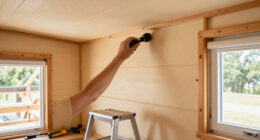
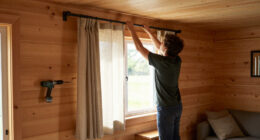
After buying a single-family fixer-upper, the couple missed having rental income but did not want to move or buy another property. They tried renting out their pool, second garage and backyard to dog owners, but those ideas did not work out. The couple instead decided to convert part of their home into a self-contained apartment with a kitchen and bathroom.
The homeowner said they researched local and state rules, applied for a building permit and submitted plans. Because the project did not change the home’s footprint, he described the approval process as smooth. Work began in August 2024, the town inspected the completed apartment in December, and the couple received a certificate of occupancy before their first tenant moved in on January 1, 2025.
Rental Income Without Moving
The account highlights how an ADU can let homeowners seek rental income without selling their primary home or purchasing a separate rental property. For this couple, the apartment also changed how they viewed their house: rather than an expense with no income attached, it became a property that contributed to their monthly budget.
The reported economics are specific to their project. The homeowner says the conversion cost about $55,000 and produces $1,725 per month, or $20,700 per year in rent. He estimates that at that rent level the construction cost would be recovered in roughly two and a half years. That is his calculation based on gross rent; the account does not detail expenses such as maintenance, insurance, taxes, utilities, vacancies or financing, all of which can affect an owner’s actual return.
The project also involved practical trade-offs beyond money. The homeowner advises prospective owners to consider privacy and how a tenant’s presence could change daily use of the home and yard. He also says an electrical panel upgrade was needed, underscoring that conversion costs can include infrastructure work beyond the apartment itself.
As an affiliate, we earn on qualifying purchases.
From Two-Family Homes to an ADU
The couple’s experience unfolded over several years. After renting for a decade, they bought a two-family property, later moved to another two-family home as their family grew, and kept the first property. After another five years of working and saving, they bought a single-family fixer-upper, expecting it to be their long-term goal. The homeowner says the family settled into the neighborhood but found that they missed the regular income from renting a unit.
In August 2024, Massachusetts enacted a law intended to encourage homeowners to build accessory dwelling units as part of an effort to ease the state’s housing shortage. ADUs are smaller, independent living spaces that can serve family members or tenants. The couple chose to convert existing space rather than expand the home’s footprint, then followed local permitting and inspection steps. Their timeline and results reflect their own town, property and project; the account does not establish that every homeowner can build an ADU under the same process or cost.
“Collecting that first rent check was an amazing feeling, and it cut our mortgage payment in half.”
— The homeowner, in Family Handyman
Costs and Rules Vary Locally
The report does not name the town, provide the full permit record or explain the exact terms of the rental agreement. It also does not break down the project’s total costs or say whether the reported rent is before or after operating expenses. The homeowner’s estimated payback period is based on the stated rent and construction cost, not a complete accounting of ongoing ownership costs.
It is also unclear how the couple’s experience would compare with projects in other Massachusetts communities. Local ordinances, building conditions, utility requirements and approval processes may differ. The account describes a law intended to encourage ADUs, but it does not provide legal guidance about eligibility or the requirements applicable to an individual property.
Local Approval Comes Before Building
The homeowner’s account does not announce another project or a new policy milestone. For homeowners considering a similar conversion, the next steps he describes are checking state and local requirements, assessing whether the property and existing systems can support an apartment, and applying for the required permits before construction. He recommends consulting an electrician early because his project needed an electrical panel upgrade.
Any future project would still depend on the property’s design, applicable codes, local approvals and costs. The couple says they have no regrets about their conversion, but its reported rent and payback estimate should be treated as one household’s results rather than a forecast for other homeowners.
Key Questions
What did the Massachusetts couple build?
They converted part of their single-family home into a one-bedroom accessory dwelling unit with a kitchen and bathroom, according to the homeowner’s account.
How much did the ADU cost and how much rent does it bring in?
The homeowner reports a project cost of about $55,000 and rent of $1,725 per month. Those are figures for this project, not a typical cost or expected rent for other homes.
When did the apartment open to a tenant?
The homeowner says the town inspected the completed work and issued a certificate of occupancy in December 2024. The first tenant moved in on January 1, 2025.
Does the report say every Massachusetts homeowner can build an ADU?
No. It describes one permitted project and says the couple researched state and local rules. Homeowners should check requirements for their own property and municipality before planning construction.
What unexpected work did the couple encounter?
The homeowner says the project required an electrical panel upgrade, a cost he had not anticipated. He recommends consulting an electrician early to assess electrical capacity and possible upgrades.
Source: rss
Fall Picks
fall essentials
As an affiliate, we earn on qualifying purchases.