Did you know that shading on even a single solar panel can substantially reduce your entire system’s output? While many assume installing panels in open spaces solves this issue, the way you manage partial shading can make a big difference. Microinverters and power optimizers are two technologies that promise better performance, but choosing between them isn’t straightforward. Understanding their differences could help you maximize your system’s efficiency—so, let’s explore how each one works.

Get compact home essentials delivered free with Prime
- Fast, free delivery on millions of items
- Prime Video, Amazon Music and more included
- Member-only deals all year
Key Takeaways
- Microinverters optimize shade by converting DC to AC at each panel, preventing shading from reducing overall system performance.
- Power optimizers maximize energy yield by individually adjusting panel output while sending DC to a central inverter.
- Microinverters enhance shade resilience through independent panel performance, ideal for complex shading environments.
- Power optimizers offer flexibility and easier system expansion, efficiently managing shading effects across multiple panels.
- Both solutions improve shade management, but microinverters typically provide better performance in heavily shaded or unevenly shaded arrays.
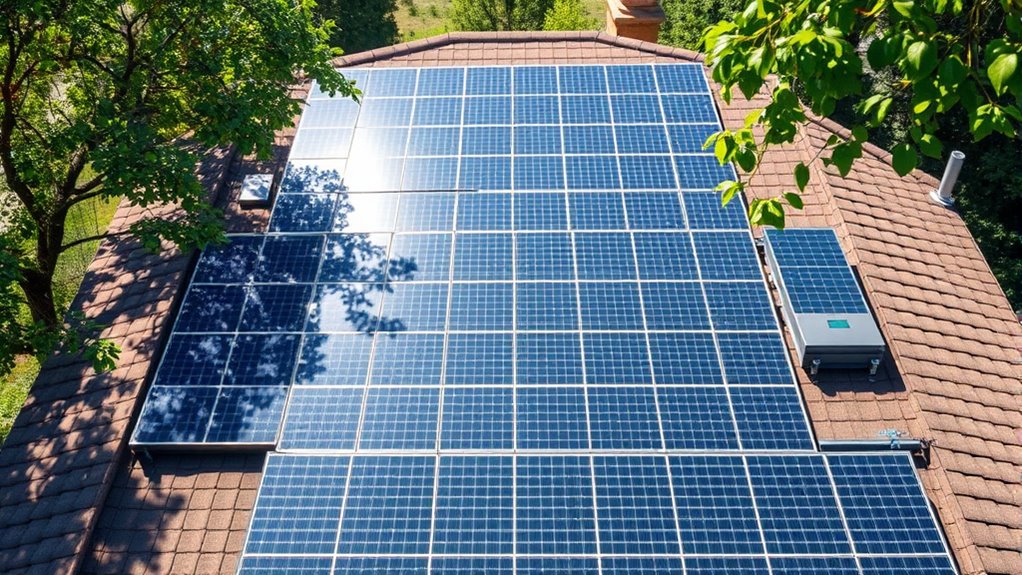
Have you ever wondered how to effectively reduce heat and glare in outdoor spaces? One of the key factors to think about is managing how your solar panels receive sunlight. Proper panel orientation is essential because it influences energy loss and overall system efficiency. When panels are poorly aligned, they don’t absorb ideal sunlight, leading to increased energy loss. By adjusting the orientation of your panels, you can maximize their exposure to the sun during peak hours, which minimizes energy loss and boosts your system’s performance. This process isn’t just about facing panels directly south; it involves considering the seasonal sun path and shading patterns that can affect the amount of sunlight your panels receive throughout the day. When panels are correctly oriented, they’re less likely to be shaded by nearby trees or structures, further reducing energy loss and ensuring consistent energy production. Proper panel orientation also plays a role in reducing heat buildup, which can decrease efficiency. When panels are exposed to direct, unshaded sunlight, they tend to heat up, and higher temperatures can lower their energy output. By positioning panels to avoid excessive heat, you help maintain their efficiency and longevity. Additionally, incorporating innovative shading solutions can further optimize the performance of your system by managing heat and glare more effectively.
Once you’ve optimized panel orientation, you can also think about additional measures like shading devices or strategic landscaping to further control glare and heat. These measures can prevent excess sunlight from hitting the panels during the hottest parts of the day, reducing heat buildup and glare that might bother you or your neighbors. Managing these factors not only improves your energy yield but also enhances the comfort of outdoor spaces. Proper shading and orientation combined can create a more comfortable environment by reducing glare and heat, making outdoor areas more enjoyable and functional.
Products Worth Considering

Ring Alarm 14-Piece Wireless Security System Kit
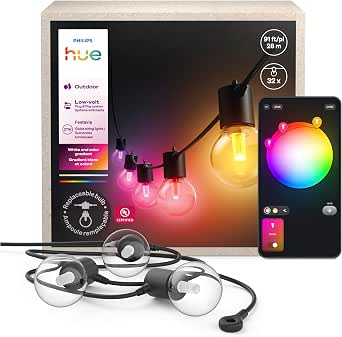
Philips Hue Festavia Globe Outdoor String Lights, 32 Bulbs, 91 ft

Bose SoundLink Flex Bluetooth Speaker (2nd Gen), Portable Waterproof Speaker, Black
As an affiliate, we earn on qualifying purchases.
Conclusion
Choosing between microinverters and power optimizers is like picking the right tool for a job—you’ll want what fits your needs best. Microinverters act like a team of skilled dancers, each panel shining solo and performing at its best. Power optimizers are more like a well-coordinated chorus, boosting overall harmony at a lower cost. Whichever you pick, you’re steering your solar system toward brighter, more efficient days—making shading less of a hurdle and more of a stepping stone.