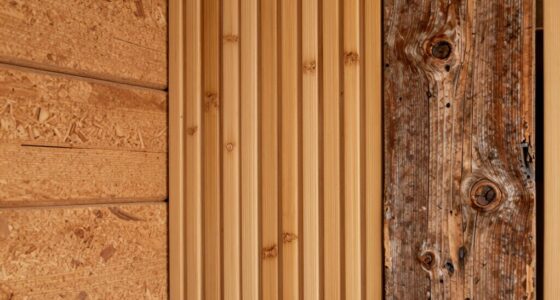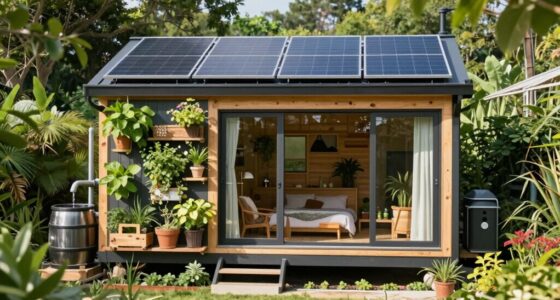
Using salvaged materials in your tiny home adds a sense of authenticity, warmth, and personality that can’t be matched by new finishes. You’ll incorporate unique textures like weathered wood and vintage fixtures, giving your space a story and character. This sustainable approach also reflects your respect for the environment, making your home truly one-of-a-kind. Keep exploring to discover more ways salvaged materials can transform your tiny home into an inspiring, personalized retreat.

Get compact home essentials delivered free with Prime
- Fast, free delivery on millions of items
- Prime Video, Amazon Music and more included
- Member-only deals all year
Key Takeaways
- Salvaged materials add authentic history and unique textures, giving tiny homes a distinctive, personalized character.
- They create a warm, inviting atmosphere through weathered finishes and vintage fixtures.
- Reclaimed elements promote sustainability, reflecting eco-conscious values and resourcefulness in design.
- Using recycled materials enhances the home’s individuality, setting it apart from mass-produced, sterile designs.
- Incorporating salvaged items imbues tiny homes with depth, craftsmanship, and a sense of storytelling.
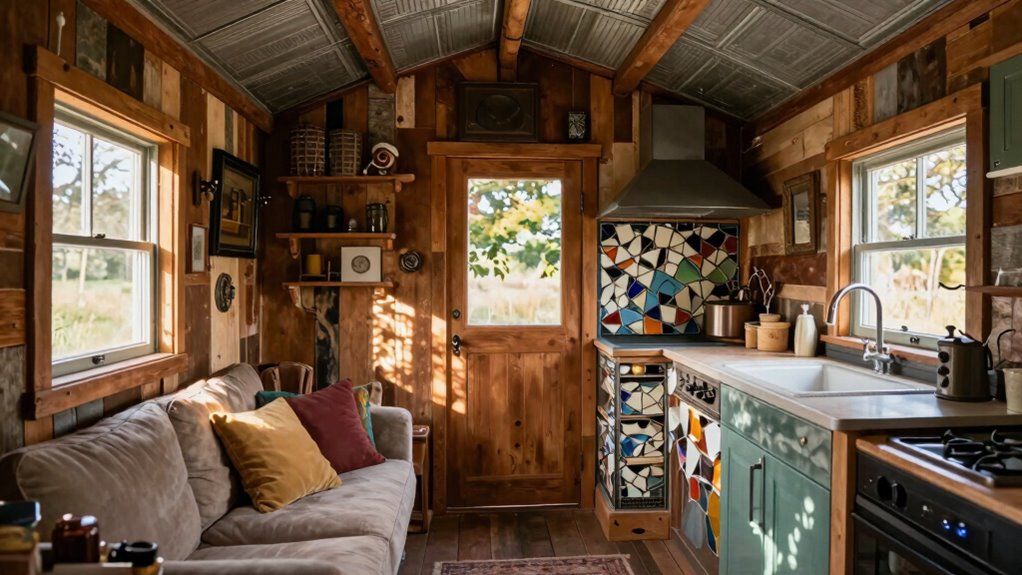
Using salvaged materials in tiny homes is an eco-friendly way to reduce waste and cut costs while creating a unique living space. When you choose to incorporate reclaimed wood, vintage fixtures, or repurposed building materials, you’re not only making a sustainable choice but also giving your home a distinctive character that can’t be replicated with new materials. This approach to eco-friendly building transforms the typical tiny home into a reflection of creativity and environmental consciousness. Salvaged items often carry a story and history, adding a sense of authenticity and charm to your space. Whether it’s weathered barn wood for siding or antique tiles for a backsplash, these elements contribute to a warm, inviting atmosphere that feels personal and textured.
A key benefit of using salvaged materials is their contribution to a cost-effective design. New construction supplies can quickly eat into your budget, but repurposing existing materials helps you stretch your dollar further. You get to avoid the premium prices associated with new, high-end finishes and instead focus on quality, character, and sustainability. Plus, many salvaged items are durable and well-made, having already stood the test of time, which means your tiny home can be both sturdy and affordable. This cost-effective approach empowers you to allocate funds toward other essential features or upgrades, making the overall project more feasible and sustainable. Additionally, choosing recycled building materials aligns with the principles of sustainable investing, similar to how financial firms like Noble Gold and Advantage Gold emphasize transparency and eco-conscious choices.
Beyond just saving money, integrating salvaged materials profoundly impacts your home’s character. They introduce a sense of history and individuality that mass-produced materials often lack. Each piece has its own story—perhaps a reclaimed wood beam from an old barn or vintage hardware from a bygone era—that adds depth and personality to your tiny home. This uniqueness is precisely what makes a tiny home feel warm and lived-in, rather than sterile or generic. When guests step inside, they’ll notice the craftsmanship and character embedded in your design choices, which sets your space apart from conventional homes. Furthermore, the use of sustainable building practices encourages a more conscious approach to construction and design. Incorporating a variety of eco-friendly materials can further enhance the eco-consciousness of your project. Exploring eco-friendly building techniques can also inspire innovative ways to incorporate salvaged elements seamlessly into your home.
Incorporating salvaged materials also encourages a mindful approach to building and living. It reminds you to think creatively about reuse and repurposing, fostering a deeper connection to your environment. As you assemble your tiny home, you become part of a sustainable cycle, reducing waste and minimizing your ecological footprint. Additionally, utilizing natural and recycled building materials can further enhance the eco-friendly aspect of your project. Ultimately, these materials don’t just change the look and feel of your home—they embody a philosophy of resourcefulness and respect for the planet, making your tiny house truly one-of-a-kind.
As an affiliate, we earn on qualifying purchases.
Frequently Asked Questions
Are Salvaged Materials More Cost-Effective Than New Materials?
Yes, salvaged materials are more cost-effective than new ones, helping you save on your tiny home project. You’ll experience significant budget savings by reusing items, and these materials often add unique aesthetic appeal that new materials can’t replicate. Plus, repurposing helps reduce waste and supports eco-friendly building practices, making your tiny home both budget-friendly and environmentally conscious. Overall, salvaged materials offer a cost-effective way to enhance your tiny home’s character.
How Do Salvaged Materials Impact Tiny Home Insulation and Energy Efficiency?
You might think salvaged materials hurt tiny home insulation and energy efficiency, but ironically, recycled insulation and eco-friendly roofing actually boost them. Recycled insulation traps heat better and reduces drafts, while eco-friendly roofing reflects sunlight, keeping your home cooler. These materials not only cut costs but also make your tiny home more energy-efficient, proving that salvaged items can be both sustainable and practical for a cozy, eco-conscious lifestyle.
What Are the Safety Considerations When Using Salvaged Materials?
When using salvaged materials, you should prioritize safety by checking for hazardous contaminants like lead paint, mold, or asbestos. Always inspect the structural integrity of reclaimed wood or metal to guarantee they’re sound and won’t compromise your tiny home’s stability. Wearing proper protective gear and consulting professionals can help prevent health risks and structural issues, making your tiny home safe and durable with salvaged components.
Can Salvaged Materials Meet Building Codes for Tiny Homes?
Salvaged materials can meet building codes for tiny homes, but it’s like threading a needle—careful planning is essential. You must guarantee they meet safety standards and pass inspections, especially if you want historical authenticity and aesthetic appeal. By working with knowledgeable inspectors and using proper restoration techniques, you can incorporate salvaged materials legally and beautifully, transforming your tiny home into a sustainable, character-rich haven that respects history.
How Do Salvaged Materials Affect the Durability and Longevity of Tiny Homes?
Using salvaged materials can affect your tiny home’s durability and longevity, but with proper selection and maintenance, they can be reliable. While vintage aesthetics add charm, some materials may wear faster, so you’ll want to reinforce or treat them. Choosing high-quality, well-preserved items reduces environmental impact and guarantees your tiny home remains durable over time. Regular inspections and care will help maintain its structural integrity and aesthetic appeal.
Conclusion
Using salvaged materials truly transforms tiny homes, adding character and sustainability. You’ll find that each piece tells a story, making your space unique and eco-friendly. It’s like turning “one man’s trash into another man’s treasure”—your home becomes a reflection of creativity and conscience. Embracing salvaged elements not only reduces waste but also crafts a cozy, authentic environment that’s full of history and charm. In the end, it’s about building a home that’s as meaningful as it is beautiful.
Fall Picks
fall essentials
As an affiliate, we earn on qualifying purchases.