TL;DR

Get compact home essentials delivered free with Prime
- Fast, free delivery on millions of items
- Prime Video, Amazon Music and more included
- Member-only deals all year
Shea McGee designed a new-build Arizona home to develop character and beauty over time, emphasizing timeless materials and layered details. The house aims to look even better in 20 years than it does today.
Studio McGee founder Shea McGee has designed a new Arizona home with the intention that it will look better in 20 years than it does today. The house, located just outside Phoenix, employs timeless materials and layered details to create a sense of history and character from the outset. This approach aims to challenge the typical perception of new-build homes and offers insight into sustainable, long-term design strategies.
The home was built with the landscape and environment in mind, drawing inspiration from the colors of the Sonoran Desert, such as warm ochres and desert sage. Shea McGee and her team worked from the earliest stages of construction to influence everything from architecture to interior details, ensuring the house would age gracefully. Key features include hand-drawn parquet floors, vintage finds, unlacquered brass fixtures, and layered textiles, all intended to develop patina and character over time.
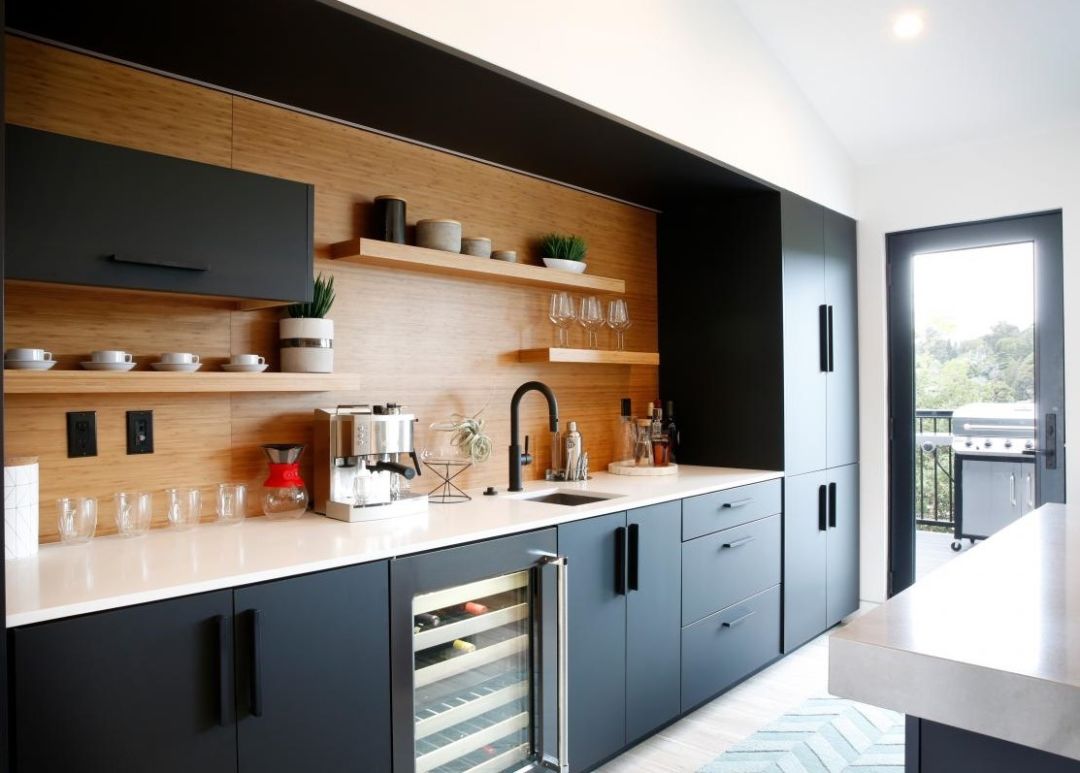
The design balances traditional architecture with modern family living. The kitchen, with a custom 13-foot-long island and open shelving, was designed to feel like a piece of furniture and to serve as a practical, welcoming space. The house also features large windows framing desert views, connecting indoor and outdoor spaces seamlessly. The homeowners, a family with four children, prioritized a home that felt elevated yet relaxed, with spaces that would age well and retain warmth and character.
Long-Term Design Philosophy for Timeless Homes
This project exemplifies a shift toward designing homes with longevity in mind, emphasizing materials and details that will develop character over time. Shea McGee’s approach demonstrates how new-builds can be crafted to feel layered and historic, challenging the trend of fleeting design fads. For homeowners and designers, this sets a precedent for sustainable, enduring architecture that maintains relevance and beauty for decades.
As an affiliate, we earn on qualifying purchases.
Designing for Longevity in New Homes
Creating homes that look better with age is a core principle of Shea McGee’s ‘New Heritage’ philosophy. This project in Arizona follows her approach of integrating traditional craftsmanship, layered textures, and natural materials to evoke a sense of history. The design process involved close collaboration from the earliest stages, influencing architecture, interior finishes, and landscape choices to ensure cohesion and timelessness. The project reflects a broader trend among designers toward sustainable, long-lasting homes that develop character over time.
“When you’re working with a new build, you get to write the history. We wanted this home to feel like it had already been lived in, even on day one.”
— Shea McGee
Unclear Aspects of Long-Term Aging Process
It is not yet confirmed how the materials and layered details will age specifically over the next 20 years, and how the homeowners will maintain or adapt the design over time. The long-term visual and structural effects remain to be observed as the house ages.
Future Monitoring of Home’s Aging and Character Development
The homeowners and designers plan to observe how the house’s materials and layered details evolve over the coming years. Additional projects or renovations may be informed by how effectively the design maintains its intended character and warmth, providing insights into sustainable, timeless home design.
Key Questions
Will the house truly look better in 20 years?
While the design aims for the house to develop more character over time, the actual aging process will depend on maintenance, climate, and how materials respond to environmental factors.
What materials were chosen to ensure longevity?
Materials such as hand-drawn parquet floors, unlacquered brass fixtures, vintage textiles, and natural stone were selected for their ability to age gracefully and develop patina.
How does this design approach differ from typical new-builds?
Unlike standard homes that often rely on trends, this project emphasizes layered textures, traditional craftsmanship, and natural materials to create a sense of history from the start.
Can this approach be replicated in other climates or regions?
Yes, though adaptations may be necessary depending on local materials and environmental conditions, the core principles of layering, natural materials, and timeless design can be applied broadly.
Source: Homes & Gardens
Halloween Picks
halloween
As an affiliate, we earn on qualifying purchases.