To manage your finances while living small, set a realistic budget that covers essentials like rent, utilities, and groceries, and track your spending to avoid overspending. Embrace minimalism by buying only what you need and using multi-purpose furniture to maximize space. Automate savings and reduce recurring costs by switching to energy-efficient options. Staying disciplined with your budget helps boost savings and financial security, and if you keep exploring, you’ll discover more ways to thrive financially in your compact space.
Key Takeaways
- Create a realistic budget that prioritizes essentials and allocates funds for savings and unexpected expenses.
- Use compact, multi-purpose furniture and appliances to maximize space and reduce unnecessary spending.
- Automate savings transfers and track expenses regularly to stay disciplined and prevent overspending.
- Focus on minimalism by owning only necessary items, avoiding clutter, and making intentional purchases.
- Review financial progress periodically, celebrate milestones, and adjust strategies to maintain financial health.

Have you ever wondered how to stretch your dollars further when living small? Managing your finances effectively in a tiny space requires more than just cutting expenses; it’s about smart planning and intentional choices. One of the key steps is implementing solid budgeting tips that help you keep track of every dollar. Start by setting a realistic budget that covers your essentials—rent, utilities, groceries—while leaving room for savings and unexpected costs. Use budgeting tools or apps to monitor your spending daily. This way, you’re less likely to overspend and can identify areas where you might cut back. For example, if you notice you’re spending too much on dining out, you can shift that money toward savings or invest in better food storage to cook more at home.
Effective budgeting keeps your small space finances in check and boosts savings.
Savings strategies also play a vital role in managing finances in small living spaces. Since space is limited, you’re likely to have fewer storage options, which encourages you to buy only what you truly need. This discipline prevents clutter and saves money in the long run. Consider automating your savings by setting up automatic transfers to a separate account right after each paycheck arrives. Even small amounts, consistently saved, can add up over time. Look for ways to reduce recurring expenses as well. For instance, switch to energy-efficient appliances or LED bulbs to lower utility bills, or negotiate your rent or service fees when possible.
Living small often means embracing minimalism, which directly supports effective savings strategies. When you focus on owning fewer possessions, you cut down on the temptation to spend impulsively. This mindset reinforces your budget and helps you allocate more funds toward future goals, like emergency savings or investments. Additionally, take advantage of multi-purpose furniture and compact appliances to maximize your limited space, reducing the need to buy extra items. By being intentional with your purchases and maintaining a lean lifestyle, you’ll find it easier to stay within your financial limits. Incorporating financial literacy into your routine can further empower you to make smarter money decisions and avoid common pitfalls.
Finally, staying disciplined is essential. Regularly reviewing your budget and savings progress keeps you motivated and aware of your financial health. Celebrate small victories, like paying off a debt or reaching a savings milestone, to reinforce positive habits. Living small isn’t just about downsizing your space; it’s about making smarter financial choices that guarantee your money works harder for you. With consistent effort, effective budgeting tips, and clever savings strategies, you’ll be able to manage your finances confidently while enjoying the benefits of your simplified lifestyle.
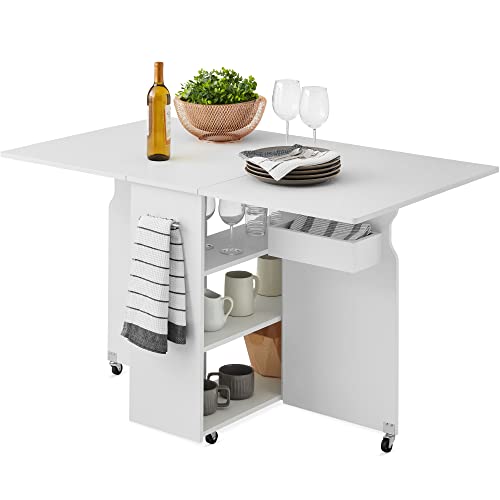
Best Choice Products Folding Dining Table, Multipurpose Space Saving Collapsible Drop Leaf Extension Desk w/Wheels, 3 Storage Shelves – White
MULTIPURPOSE TABLE: This versatile furniture piece can serve as a dining table, office desk, side or entry table,…
As an affiliate, we earn on qualifying purchases.
As an affiliate, we earn on qualifying purchases.
Frequently Asked Questions
How Can I Build Credit While Living Small?
You can build credit while living small by using your credit card responsibly, making timely payments, and keeping balances low. Incorporate credit building into your financial planning by tracking your credit score regularly and setting goals to improve it. Consider using secured cards or small loans to diversify your credit mix. Staying disciplined with these habits helps you establish a strong credit history without needing a large income or space.
What Insurance Options Are Best for Tiny Living?
Think of insurance coverage like a sturdy umbrella protecting your tiny home from life’s storms. You should explore policy options tailored for small living, like renters or specialized tiny home insurance. These policies often offer extensive coverage that fits your lifestyle and budget. By choosing the right policy options, you guarantee your tiny space stays protected, giving you peace of mind to focus on enjoying your minimalist life.
How Do I Handle Unexpected Expenses in a Small Space?
When unexpected expenses hit, stay calm and prioritize your emergency fund to cover costs without stress. Use smart storage organization to quickly locate essentials and minimize clutter, making repairs easier. Keep a digital or physical list of emergency contacts and resources. Regularly review your budget, set aside small amounts for surprises, and avoid impulsive purchases. Staying prepared helps you manage surprises smoothly and maintain your small living space efficiently.
Can I Still Save for Retirement Living Tiny?
Absolutely, you can still save for retirement living tiny. Some worry tiny homes limit options like tiny home zoning or minimalist investing, but these don’t have to hold you back. Focus on budgeting wisely, automating savings, and exploring alternative investment options suited for small spaces. With disciplined planning, your tiny home lifestyle can align with your retirement goals, proving that size doesn’t limit your financial future.
How Do I Manage Mail and Official Documents?
To manage mail and official documents effectively, start with digital decluttering by scanning important papers and storing them securely online. Use a dedicated mailbox or filing system for physical mail, sorting items immediately and discarding unnecessary clutter. Regularly review and organize your mail to prevent pile-ups. This approach keeps your space tidy, guarantees you don’t miss important deadlines, and makes it easier to access essential documents when needed.

Equator Front Load Washer 1.9 Cu.Ft, Sanitize Wash, Allergen Cycle, 1400 RPM, 110V, Quiet, Energy Efficient Apartment Washer
SMART TECHNOLOGY: Automatic Water sensor in which the machine weighs clothes and selects the right amount of water…
As an affiliate, we earn on qualifying purchases.
As an affiliate, we earn on qualifying purchases.
Conclusion
Living small isn’t just about saving money; it’s about gaining freedom and clarity. Some believe that minimal living open up true happiness, proving that less really is more. When you manage your finances wisely and embrace simplicity, you create space for what truly matters. So, trust that this lifestyle isn’t just a trend but a path to genuine fulfillment. By choosing less, you might just find everything you’ve been searching for—inside and out.

Joseph Joseph Nest Lock Plastic BPA Free Food Storage Container Set with Lockable Airtight Leakproof Lids, 10-Piece, Multi-Color
Easy-find, color-coded nesting food storage container set with lockable snap-together lids
As an affiliate, we earn on qualifying purchases.
As an affiliate, we earn on qualifying purchases.

Money Skills And Personal Finance For Teens Made Easy: Your Step-By-Step Guide to Budgeting, Saving And Investing That Will Develop Smart Money Habits & Unlock Financial Freedom for Life
As an affiliate, we earn on qualifying purchases.
As an affiliate, we earn on qualifying purchases.