Understanding the true cost of a tiny house involves more than just the initial price. It’s about considering construction, maintenance, repairs, and upgrades over 30 years. You need to evaluate durability, energy efficiency, and sustainable features that can influence expenses. By focusing on these factors, you can better plan your budget and avoid surprises. But what does this all-encompassing approach reveal about long-term affordability? Let’s explore what really adds up over time.

Get compact home essentials delivered free with Prime
- Fast, free delivery on millions of items
- Prime Video, Amazon Music and more included
- Member-only deals all year
Key Takeaways
- Total 30-year costs include initial construction, ongoing maintenance, repairs, upgrades, and energy expenses.
- Durable, energy-efficient materials and systems can significantly reduce long-term expenses.
- Incorporating environmental features like solar panels may increase upfront costs but lower operational costs over time.
- Regular maintenance and timely upgrades prevent costly repairs and extend the tiny house’s lifespan.
- A comprehensive life-cycle approach ensures sustainable, affordable living with minimized ecological impact over 30 years.
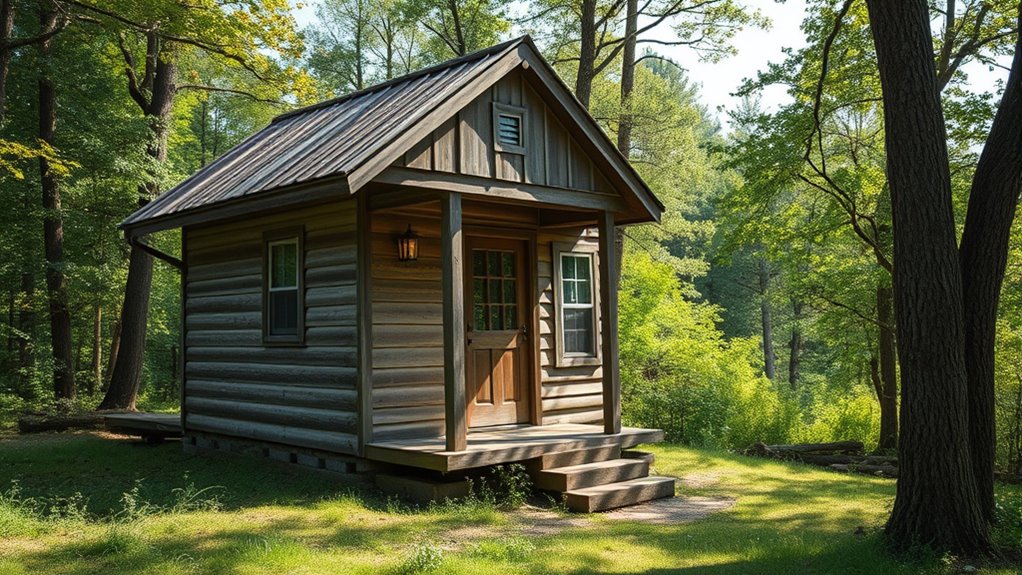
Have you ever wondered how to accurately determine the true cost of a project or asset over its entire lifespan? When it comes to a tiny house, this question becomes especially relevant. Life-cycle costing helps you see beyond the initial purchase price and understand what you’ll actually spend over decades. It’s a powerful tool for making smarter decisions, especially if you’re considering sustainability and long-term affordability. By factoring in everything from construction budgeting to environmental impact, you get a clear picture of the real costs involved in owning a tiny home over 30 years. Incorporating long-term planning into your decision-making process ensures that you account for future expenses and benefits. Construction budgeting plays a significant role in this calculation. The upfront costs of building your tiny house might seem manageable, but don’t forget about maintenance, repairs, and upgrades that will inevitably come up. Over three decades, these expenses can add up, sometimes surpassing the initial investment. Choosing durable materials and energy-efficient systems can reduce long-term expenses, but they might come with higher upfront costs. Balancing these factors during your construction planning is essential to avoid surprises down the road.
Understanding the true long-term costs of your tiny house ensures smarter, sustainable decisions over 30 years.
Environmental impact is another critical component of life-cycle costing. A tiny house generally has a smaller ecological footprint compared to larger homes, but the specific choices you make matter. Sustainable building materials, solar panels, and efficient insulation can minimize environmental impact and save money over time. These eco-friendly options often lower energy bills and decrease your carbon footprint, aligning with the broader goal of responsible living. When evaluating your total costs, consider not just dollars and cents but also how your choices affect the environment over the house’s lifespan.
Over 30 years, maintenance costs might include replacing appliances, upgrading insulation, or repairing structural elements affected by weather or wear and tear. These expenses, although less predictable than initial costs, are crucial to include in your life-cycle analysis. By planning for them, you can avoid financial strain and keep your tiny house comfortable and functional for decades. Additionally, factoring in potential tax incentives or rebates for energy-efficient upgrades can help offset some costs, further emphasizing the importance of holistic life-cycle planning.
Ultimately, understanding the full scope of costs—both financial and environmental—enables you to make smarter, more sustainable choices. Life-cycle costing isn’t just about saving money; it’s about creating a home that’s affordable, eco-friendly, and built to last. When you look beyond the initial investment and consider how your tiny house will perform and impact the environment over 30 years, you’re better positioned to make decisions aligned with your long-term goals. It’s a comprehensive approach that ensures your tiny house remains a source of comfort and sustainability for decades to come.
tiny house durable insulation panels
As an affiliate, we earn on qualifying purchases.
As an affiliate, we earn on qualifying purchases.
Conclusion
By considering life-cycle costs, you’ll see that building your tiny house isn’t just a small project—it’s a giant step toward lasting savings and sustainability. Choosing durable materials and eco-friendly features might seem like a little investment now, but it pays off in exponential savings and environmental impact over 30 years. Remember, neglecting these choices could turn your tiny dream into a tiny disaster. Think long-term, plan wisely, and let your tiny house stand as a beacon of smart living for decades to come.
Halloween Picks
halloween
As an affiliate, we earn on qualifying purchases.