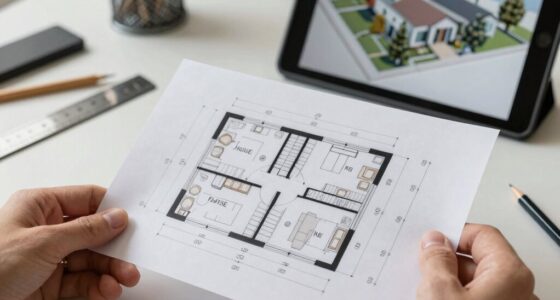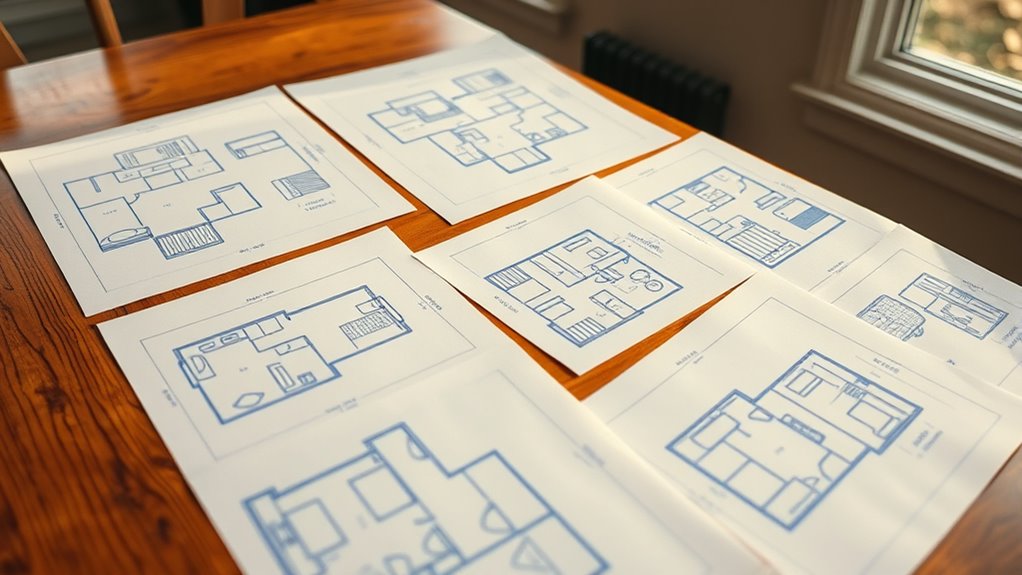
Simple tiny house blueprint examples focus on practical, open layouts that maximize space and functionality. You’ll find designs that combine living, sleeping, and kitchen areas to keep things versatile and cozy. Many incorporate eco-friendly features like solar options, reclaimed materials, and efficient systems for sustainability. These blueprints emphasize minimal ornamentation, smart storage, and easy maintenance, making them ideal for budget-conscious, eco-minded living. Explore more for ideas on creating your perfect minimalist tiny home.

Get compact home essentials delivered free — and shop member deals
- Fast, free delivery on millions of items
- Access to Prime Big Deal Days deals on October 6–7
- Prime Video, Amazon Music and more included
Key Takeaways
- Open layouts maximize space and create a sense of openness in small house blueprints.
- Multi-purpose furniture and fold-away beds optimize functionality within limited footprints.
- Simple, minimal ornamentation and clean lines reduce complexity and maintenance costs.
- Designs incorporate eco-friendly materials and systems like reclaimed wood and energy-efficient tech.
- Customizable features such as solar panels and rainwater collection enhance sustainability and flexibility.
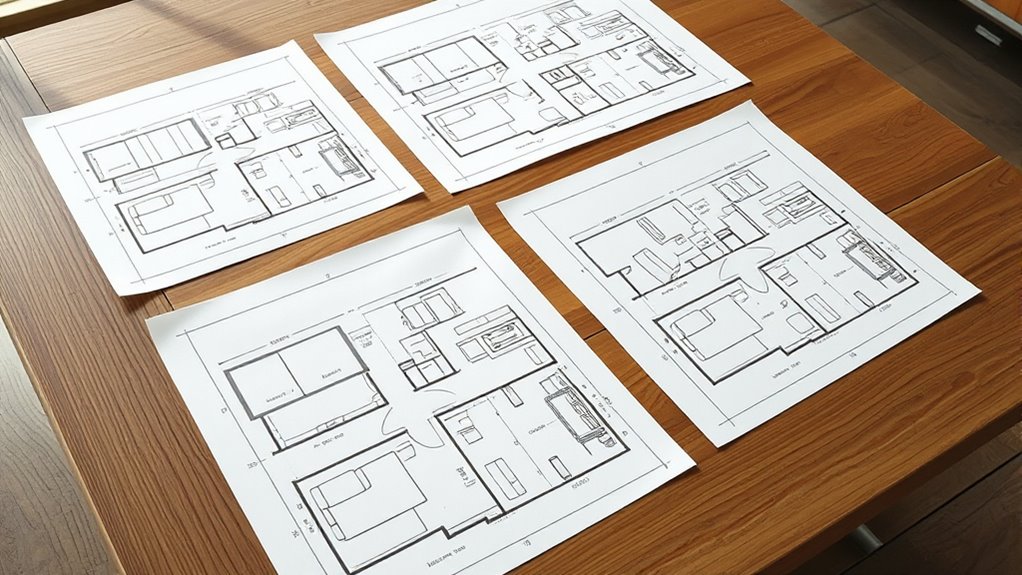
Are you dreaming of a simpler, more affordable way to live? Tiny house blueprints make that dream achievable by offering compact, efficient designs that maximize space without breaking the bank. When exploring these blueprints, it’s essential to consider how interior design can transform a small space into a cozy, functional home. Opt for open layouts that create a sense of spaciousness and choose multi-purpose furniture to make every inch count. Bright colors, mirrors, and clever storage solutions can further enhance the feeling of openness, making your tiny house feel inviting rather than cramped.
Embrace open layouts and multi-purpose furniture to maximize space and create a cozy, inviting tiny home.
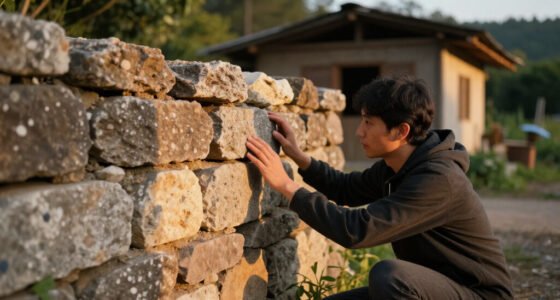
Another crucial aspect is selecting sustainable materials for your build. Not only do these materials reduce your environmental impact, but they also often contribute to lower long-term costs through energy efficiency and durability. Think about using reclaimed wood for flooring or furniture, eco-friendly insulation, and non-toxic paints. These choices not only support a greener lifestyle but also add character and warmth to your tiny home’s interior. Incorporating sustainable materials aligns with the minimalist ethos of tiny living, emphasizing quality over quantity and reducing waste.
When looking at simple tiny house blueprints, focus on designs that prioritize practicality and comfort. A clever layout might include a combined living and kitchen area that’s open and airy, with fold-away beds or Murphy beds to save space at night. Compact bathrooms with efficient fixtures ensure you don’t sacrifice comfort for size. Many blueprints also suggest incorporating outdoor living spaces, such as porches or decks, to extend your living area and connect with nature. This approach enhances your overall experience and makes the small footprint feel more expansive.
Ease of customization is another benefit of simple blueprints. You can tailor these designs to fit your lifestyle, whether that means adding solar panels, installing rainwater collection systems, or choosing specific interior design styles. The key is to keep the layout straightforward, avoiding overly complex structural elements that could increase costs or construction time. Simple blueprints often emphasize functionality with clean lines and minimal ornamentation, creating a calming environment that’s easy to maintain.
Additionally, understanding how energy-efficient systems like ground source heat pumps can be incorporated into tiny homes highlights the importance of sustainable and cost-effective living solutions. These systems can significantly reduce energy consumption and lower utility bills over time, making your tiny house not only eco-friendly but also economical. Ultimately, these blueprint examples serve as a foundation for your tiny house journey. They present an opportunity to embrace minimalist living, prioritize sustainability, and craft a space that reflects your personality and values. With thoughtful interior design and a focus on sustainable materials, your tiny house can be both a smart investment and a sanctuary. It’s about making every square foot count while living intentionally and sustainably.
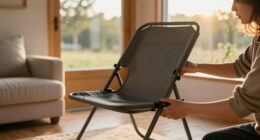
tiny house furniture multi-purpose fold-away beds
As an affiliate, we earn on qualifying purchases.
As an affiliate, we earn on qualifying purchases.
Frequently Asked Questions
What Permits Are Required to Build a Tiny House?
You’ll need to check local zoning restrictions to see if tiny houses are allowed on your property. Permits typically include building permits and sometimes special use permits, depending on your location. You’ll also need to arrange utility connections like water, sewer, and electricity, which may require additional permits. Contact your city or county office to ensure you meet all requirements before starting your tiny house project.
How Much Does a Tiny House Blueprint Typically Cost?
A tiny house blueprint typically costs between $500 and $2,500, depending on how detailed and customized you want it. Think of it as planting a seed—you’ll invest more for a unique, tailored design. Your cost estimation can vary with blueprint customization, which allows you to adapt layouts and features. Spending wisely on your blueprint sets a strong foundation for your tiny home journey, ensuring it fits your needs perfectly.
Can I Customize the Layouts of Tiny House Blueprints?
Yes, you can customize the layouts of tiny house blueprints. Many blueprints offer layout flexibility, allowing you to modify room sizes, add or remove features, and tailor the design to fit your needs. With a bit of creativity and cooperation with designers or builders, you can explore various customization options to create a tiny house that perfectly suits your lifestyle and preferences.
What Materials Are Recommended for Constructing Tiny Houses?
You’ll want to use durable, lightweight materials like high-quality plywood and metal for exterior siding to withstand the elements without adding weight. For interior insulation, spray foam or rigid foam boards are excellent choices—they keep your tiny house cozy and energy-efficient, no matter the weather. These materials are strong yet manageable, making your build easier and more resilient, turning your tiny house into a fortress of comfort.
How Do I Ensure My Tiny House Meets Building Codes?
To make certain your tiny house meets building codes, you need to check local zoning restrictions and building regulations first. Obtain necessary permits before starting construction. Focus on maintaining structural integrity by following approved blueprints and using quality materials. Consult with local authorities or a building inspector throughout your project. This proactive approach helps you avoid legal issues and ensures your tiny house is safe, compliant, and ready for occupancy.
Conclusion
With these tiny house blueprints, you’re well on your way to a whimsical, worthwhile, and wonderfully compact home. By balancing bold basics with brilliant design details, you’ll build a beautiful, budget-friendly sanctuary. Remember, with a little bit of planning and a lot of passion, your perfect petite place is possible. So, start sketching, stay spirited, and succeed in creating your charming, cozy castle—because your tiny house dreams deserve to come true!
Fall Picks
fall essentials
As an affiliate, we earn on qualifying purchases.