
To manage electrical loads effectively in your small home, focus on using energy-efficient appliances, especially during peak sunlight hours if you have solar power. Turn off lights and unplug devices when not in use, and spread high-energy tasks throughout the day to prevent overloads. Aligning your energy use with solar production reduces reliance on the grid and lowers costs. Staying mindful of your habits helps keep your system safe and efficient—continue exploring ways to optimize your home’s energy performance.
Key Takeaways
- Prioritize energy-efficient appliances with high ENERGY STAR ratings to reduce overall electrical load.
- Schedule heavy appliance use during peak solar production hours to maximize renewable energy utilization.
- Turn off unused lights and unplug devices to prevent unnecessary energy consumption.
- Distribute high-power device operation throughout the day to avoid electrical overloads.
- Integrate solar power with load management practices for cost savings and enhanced home sustainability.
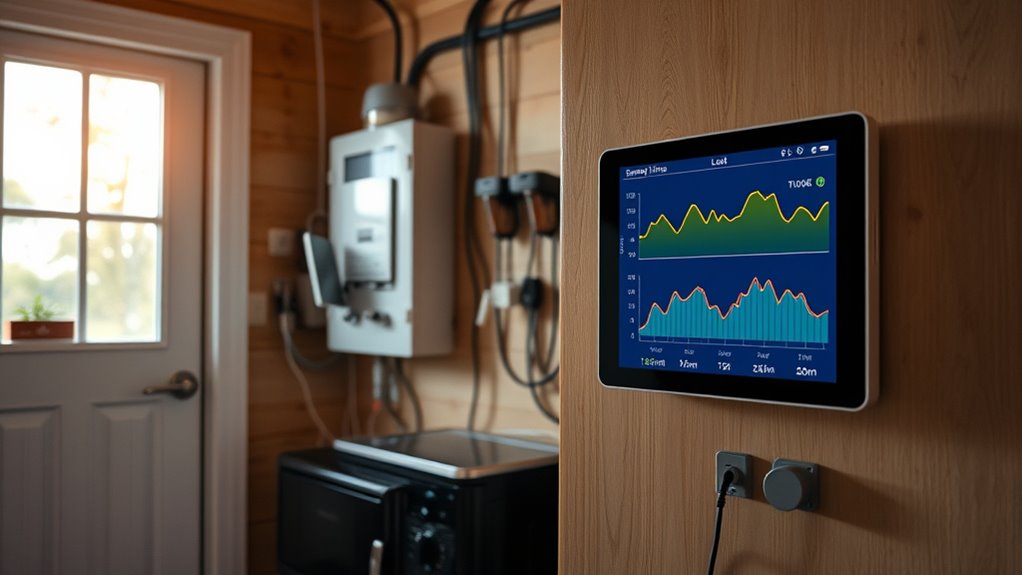
Managing electrical loads in small homes is vital to guarantee safety, efficiency, and cost savings. When you’re trying to optimize your energy use, one of the best ways is by considering solar power. Installing solar panels allows you to generate your own electricity, reducing your reliance on the grid and lowering your overall energy costs. Solar power not only helps you save money over time but also makes your home more sustainable. However, to maximize these benefits, you need to be mindful of how much energy your household consumes, especially during peak sunlight hours. By aligning your energy use with your solar production, you can assure you’re utilizing your generated power efficiently, avoiding unnecessary grid consumption or wasted energy.
Managing electrical loads in small homes maximizes safety, efficiency, and savings through solar power and smart energy use.
Another essential factor in managing your electrical load is appliance efficiency. Not all appliances consume the same amount of power, and choosing energy-efficient models can considerably reduce your overall load. When shopping for new appliances, look for those with high energy-star ratings; they’re designed to operate using less electricity without sacrificing performance. Using energy-efficient appliances means you can run your refrigerator, washing machine, or dishwasher with less power, which helps prevent overloading your electrical system and cuts down on your monthly bills. It’s also smart to run heavy appliances like washers or dryers during times when your solar power system is producing the most energy, ensuring you’re making the best use of your renewable energy source.
Managing your electrical load also involves being conscious of your usage habits. For example, turn off lights and unplug devices when they’re not in use, especially during peak sunlight hours if you have a solar power system. This not only conserves energy but also prevents appliances from drawing power unnecessarily, which can lead to overloads or tripped circuit breakers. Additionally, spreading out the use of high-consumption appliances throughout the day can help balance your electrical load, making sure your system isn’t overwhelmed at any given time. Incorporating load management strategies can further optimize your household’s energy efficiency.
In small homes, where space and resources are limited, every watt counts. By integrating solar power and choosing appliance-efficient models, you’re taking steps to make your home safer, more economical, and environmentally friendly. Managing your electrical load effectively isn’t just about installing the right equipment; it’s about being mindful of your energy habits and making smart choices. When you do this, you create a more sustainable and cost-effective household, all while guaranteeing your electrical system remains safe and reliable.
Top picks for "electrical load management"
Open Amazon search results for this keyword.
As an affiliate, we earn on qualifying purchases.
Frequently Asked Questions
How Can I Measure My Home’s Total Electrical Load Accurately?
To measure your home’s total electrical load accurately, start with circuit analysis by listing all appliances and their power consumption. Use a clamp meter or a plug-in power meter to monitor individual devices, then sum their usage to get an overall picture. This hands-on approach helps you understand your power consumption, identify high-demand circuits, and optimize energy use for better electrical load management in your small home.
What Are the Best Smart Devices for Load Management?
Think of smart devices as your home’s symphony conductors, guiding energy flow smoothly. Devices like smart plugs, energy monitors, and thermostats seamlessly integrate for effective load management. They enable you to implement load balancing strategies, preventing overloads and saving energy. By choosing these intelligent tools, you turn chaos into harmony, ensuring your small home runs efficiently without missing a beat.
How Does Climate Affect Load Management Strategies?
Climate impact plays a significant role in your load management strategies. During hot summers, you’ll want to prioritize cooling systems and make seasonal adjustments to prevent overloads. In colder seasons, heating demands increase, requiring you to balance energy use carefully. By understanding these seasonal fluctuations, you can optimize your smart device settings, reduce energy waste, and maintain a stable electrical load year-round.
Can Load Management Reduce My Electricity Bills Significantly?
Imagine your energy bills shrinking like a deflating balloon—yes, load management can considerably cut costs. By practicing energy conservation and boosting appliance efficiency, you actively manage your home’s electrical load. Turning off unused devices and choosing energy-efficient appliances reduce unnecessary power use, lowering bills. These simple steps make a big difference, helping you save money while also supporting a greener environment.
What Safety Precautions Should I Consider During Load Adjustments?
When adjusting your load, prioritize circuit safety by turning off power before making any changes. Avoid overloads by not exceeding circuit capacity, and check for signs of overheating or damaged wiring. Use proper tools and follow manufacturer instructions, and consider consulting an electrician for complex tasks. Always guarantee your electrical system is grounded correctly to prevent shocks or fire hazards, and never bypass safety devices like circuit breakers.
Conclusion
By managing your electrical load effectively, you can reduce energy costs and prevent overloads in your small home. Did you know that small households can save up to 20% on energy bills by simply optimizing appliance use and scheduling? Implementing smart strategies not only boosts efficiency but also prolongs your system’s lifespan. Take control of your energy use today — a simple step can make a big difference in your home’s safety and savings.