
TL;DR

Get compact home essentials delivered free with Prime
- Fast, free delivery on millions of items
- Prime Video, Amazon Music and more included
- Member-only deals all year
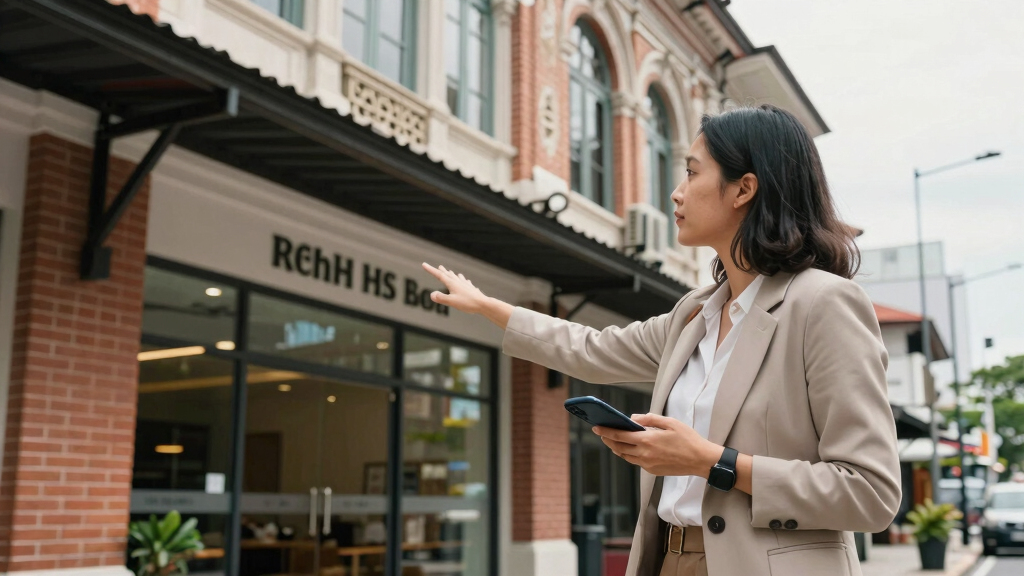
The historic RHB building located on Jalan Tun H S Lee is now listed for sale at RM30 million. This marks a notable transaction involving a heritage property in Kuala Lumpur, with potential implications for the real estate and preservation sectors.
The historic RHB building on Jalan Tun H S Lee in Kuala Lumpur has been officially listed for sale at a price of RM30 million. This marks a significant development for a property recognized for its heritage value and central location, drawing interest from investors, heritage advocates, and the real estate market. The listing underscores ongoing interest in preserving Kuala Lumpur’s historical buildings while exploring commercial opportunities.
The building, known for its architectural and historical significance, is currently listed through a property agency, with the asking price set at RM30 million. The property is situated in a prime area of Kuala Lumpur, close to major commercial and cultural landmarks. The listing was confirmed by The Edge Malaysia, which reported the development earlier this week.
According to sources familiar with the listing, the building is approximately 20,000 square feet and features traditional colonial-era architecture. The property’s heritage status means any redevelopment or renovation would likely require adherence to preservation guidelines set by local authorities. The listing has sparked discussions about the future of Kuala Lumpur’s historic buildings amid ongoing urban development pressures.
Officials from the Kuala Lumpur City Hall (DBKL) have yet to comment specifically on the listing, but heritage conservation and urban planning experts suggest that the sale could lead to either preservation efforts or potential redevelopment, depending on the buyer’s intentions.
Implications for Kuala Lumpur’s Heritage and Real Estate Market
This listing highlights a growing interest in heritage properties within Kuala Lumpur’s real estate sector. The RM30 million price tag reflects the value placed on historic buildings, which are increasingly seen as assets for both preservation and commercial use. The sale could set a precedent for future transactions involving heritage sites and influence how the city balances development with conservation.
For investors and developers, the property presents an opportunity to acquire a landmark with cultural significance, though it also raises questions about the extent of permissible modifications under heritage regulations. Heritage advocates emphasize the importance of maintaining the building’s architectural integrity, while some developers may see potential for adaptive reuse or commercial development.
Overall, this development underscores the tension and potential synergy between urban growth and heritage preservation in Kuala Lumpur, as the city seeks to modernize while respecting its historical identity.
heritage building preservation tools
As an affiliate, we earn on qualifying purchases.
As an affiliate, we earn on qualifying purchases.
Heritage Status and Urban Development in Kuala Lumpur
The RHB building on Jalan Tun H S Lee has long been recognized as a heritage structure, representing Kuala Lumpur’s colonial and post-independence architectural history. Built in the early 20th century, it has served various functions, including banking and administrative purposes, and is considered a landmark in the city’s historic core.
In recent years, Kuala Lumpur has seen increased development pressures, with many heritage buildings facing threats from redevelopment projects. The government and heritage groups have implemented regulations to protect significant sites, but economic incentives often challenge preservation efforts. The listing of this property for RM30 million marks a notable case where heritage and market interests intersect.
Prior to this, similar properties have been sold or repurposed, sometimes sparking controversy over conservation practices. The current listing may influence future policies and market dynamics related to heritage properties in the city.
“This listing highlights the importance of balancing development with preservation. Heritage buildings like this are vital to Kuala Lumpur’s identity and should be protected, even as they find new uses.”
— Heritage Conservation Expert, Dr. Lim Wei Ming
Unclear Details on Buyer’s Intentions and Future Use
It is not yet confirmed whether the property will be preserved, redeveloped, or repurposed. The identity of the potential buyer remains undisclosed, and their plans for the building are unknown. Additionally, the specific regulatory constraints or incentives that might influence the transaction are still being clarified by authorities.
Next Steps in the Sale and Heritage Preservation Process
Further announcements are expected from the listing agent or the potential buyer regarding the intended use of the property. Kuala Lumpur’s heritage conservation authorities may also review the sale and impose guidelines to ensure preservation if the property changes hands. The market will likely monitor this development closely, considering its potential impact on similar heritage sites.
Key Questions
Who is selling the RHB building?
The seller has not been publicly disclosed; the property is listed through a local real estate agency.
What are the heritage restrictions on this building?
The building is designated as a heritage site, meaning any modifications or redevelopment would need approval from Kuala Lumpur’s heritage authorities, with restrictions aimed at preserving its architectural integrity.
Why is the listing price RM30 million?
The RM30 million valuation reflects the building’s prime location, heritage status, and market demand for historic properties in Kuala Lumpur.
What could happen to the building after sale?
It remains uncertain whether the new owner will preserve, renovate, or redevelop the property. Future plans depend on buyer intentions and regulatory approvals.
How does this affect Kuala Lumpur’s heritage conservation efforts?
This listing may influence future policies and market trends regarding heritage properties, emphasizing the need for balanced development and preservation.
Source: local
Halloween Picks
halloween
As an affiliate, we earn on qualifying purchases.