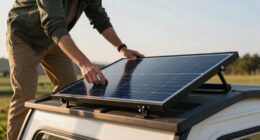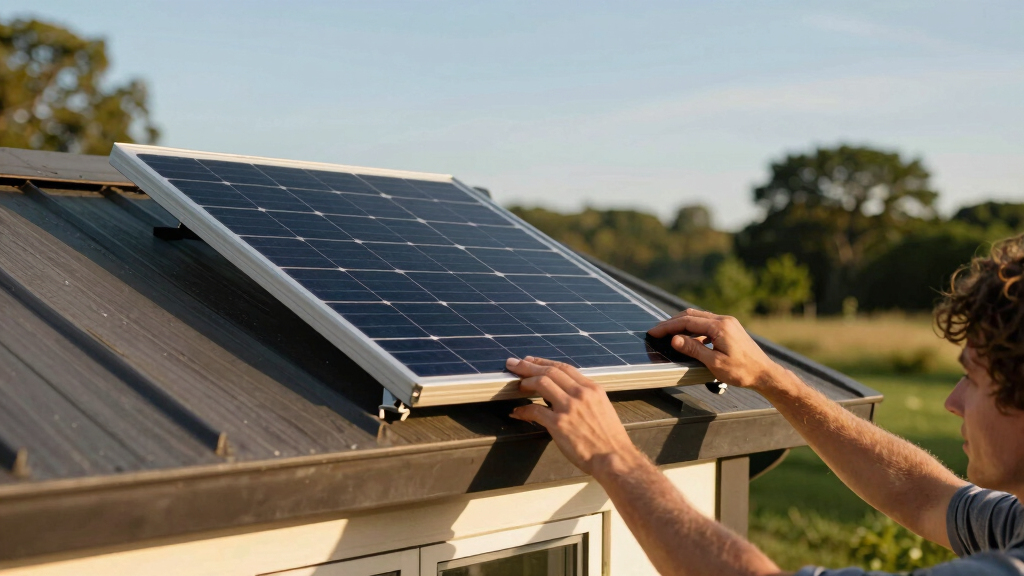
This guide helps you choose and set up a compact portable solar panel to generate power outdoors or during emergencies. Designed for beginners, it covers selecting the right panel, proper setup, and verifying operation. Follow these steps to ensure you have a reliable, functional solar power source in portable form.
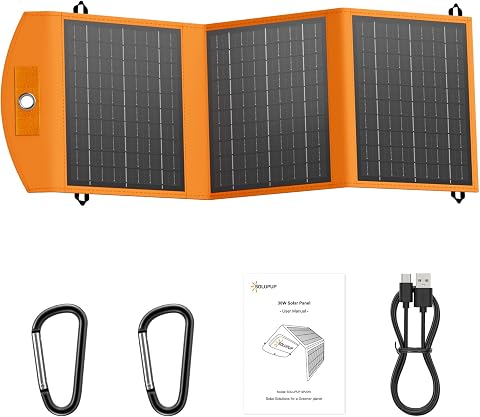
SOLUPUP 30W Portable Foldable Solar Charger with USB-A and USB-C
- ✔ Maximum Power: 30 Watts
- ✔ Output Voltage: 5 Volts (DC)
- ✔ Connector Type: USB Type A, USB Type C
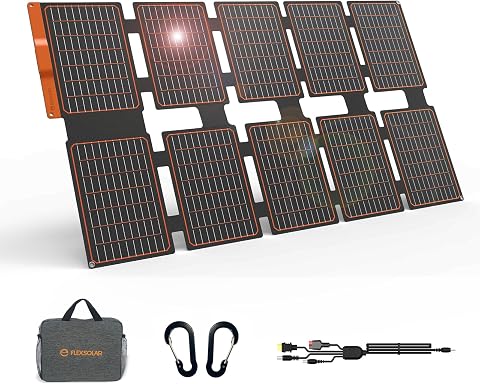
FlexSolar 100W Portable Foldable Solar Panel Charger with USB-C, USB-A, and DC Outputs
- ✔ Power: 100W
- ✔ Weight: 4.1 lbs
- ✔ Dimensions (folded): 12.99 x 10.43 x 2.17 inches

MARBERO 21W Portable Foldable Solar Panel Charger IP65 Waterproof High Efficiency USB & DC Output
- ✔ Model: SL21W
- ✔ Wattage: 21W
- ✔ Conversion Rate: 23%
Difficulty: Beginner | Time: 30-60 minutes
What You’ll Need
Tools & Materials:
- Multimeter
- Power bank or device to charge
- Suitable mounting accessories
- Optional: extension cables
Knowledge:
- Basic understanding of electrical concepts
- Ability to handle small electronic components
Ensure your hands are dry and work in a safe, dry environment. Check local sunlight conditions for optimal panel placement.

SOLUPUP Solar Panels 30W Portable Foldable Solar Charger with 5V USB-A and USB-C Fast Charging Compatible with iPhone, iPad, Samsung, Power Banks, IPX5 Waterproof Perfect for Camping, Hiking, Outdoor
- High-Efficiency Solar Panel: 23%+ energy conversion rate for faster charging
- Dual USB Outputs: Charges two devices simultaneously via USB-A and USB-C
- Portable and Foldable Design: Compact for easy carrying during outdoor activities
As an affiliate, we earn on qualifying purchases.
SOLUPUP 30W Portable Foldable Solar Charger with USB-A and USB-C
The SOLUPUP 30W stands out for its high-efficiency monocrystalline silicon technology, which ensures faster charging times compared to many competitors. Its foldable design makes it highly portable, weighing just 2.4 lbs, and includes carabiners and an adjustable stand for easy setup in outdoor settings. Its IPX5 waterproof rating means it can withstand light rain and dust, making it suitable for camping, hiking, or day trips. However, its 30W output limits its ability to power larger devices or multiple high-demand gadgets simultaneously. Compared with larger panels, it sacrifices some power capacity for a more compact and lightweight design, which makes it ideal for quick device charges but less suited for high-power needs.
Pros:
- High-efficiency monocrystalline silicon for faster charging
- Lightweight, foldable, and highly portable
- Waterproof and dustproof for durability
- Supports multiple devices simultaneously
Cons:
- Limited to 30W power output, not ideal for high-power devices
- Requires direct sunlight for optimal performance
- Actual output can vary with weather conditions
Best for: Outdoor enthusiasts needing quick, reliable device charging on the trail or campsite
Not ideal for: People requiring to charge laptops or larger power stations frequently
Bottom line: A highly portable and efficient option perfect for casual outdoor use and quick device charging.
“A highly portable and efficient option perfect for casual outdoor use and quick device charging.”
FlexSolar 100W Portable Foldable Solar Panel Charger with USB-C, USB-A, and DC Outputs
The FlexSolar 100W offers a significant step up in power capacity, making it suitable for charging larger devices, power banks, and small portable power stations. Its foldable, lightweight design (just over 4 lbs) and IP67 waterproof rating ensure durability and portability for serious outdoor use. Its multiple outputs, including USB-C with Power Delivery, USB-A, and 100W DC, give it unparalleled versatility—perfect for users who need to charge multiple devices or backup power during extended trips or emergencies. The 23%+ efficiency rate ensures it performs well even in less-than-ideal sunlight, but the higher wattage means it’s bulkier than smaller models, which could be a drawback for ultralight hikers. It’s less suited for those seeking a compact panel for minimal gear, as it strikes a balance between size and power.
Pros:
- High power output suitable for larger devices
- Multiple versatile outputs, including USB-C PD
- Durable, weather-resistant with IP67 rating
- Foldable design for portability
Cons:
- Heavier and larger than smaller panels
- Requires compatible devices or power stations for full use
- Performance may decrease in low-light conditions
Best for: Extended outdoor trips, emergency backup, and users needing versatile power options
Not ideal for: Minimalist travelers or those with very limited space who only need to charge small devices occasionally
Bottom line: Ideal for users who need higher power and multiple charging options without sacrificing portability.
“Ideal for users who need higher power and multiple charging options without sacrificing portability.”
MARBERO 21W Portable Foldable Solar Panel Charger IP65 Waterproof High Efficiency USB & DC Output
The MARBERO 21W is the most compact and lightweight in our lineup, weighing only 1.32 lbs. Its foldable design makes it highly portable, fitting easily into backpacks for camping or travel. With a high solar conversion rate of up to 23%, it provides reliable power even on cloudy days, which is critical for unpredictable outdoor conditions. Its IP65 rating ensures decent weather resistance, making it suitable for light rain and dust. However, its 21W output is limited, making it best suited for charging smartphones, tablets, or small gadgets—no laptops or large power banks. This panel makes the most sense for casual outdoor users or those who prioritize portability over high power, but it’s less useful for users needing substantial energy on demand.
Pros:
- Extremely lightweight and compact
- High efficiency with up to 23% conversion rate
- Durable, waterproof, and dustproof construction
- Reliable even in cloudy weather
Cons:
- Limited to small device charging, no large power support
- Output depends on sunlight angle and conditions
- Cannot store electricity or power larger devices
Best for: Casual travelers, backpackers, and outdoor enthusiasts with minimal power needs
Not ideal for: Users requiring to power laptops or large devices regularly
Bottom line: Perfect for minimalists and casual outdoor users needing reliable, portable solar power for small devices.
“Perfect for minimalists and casual outdoor users needing reliable, portable solar power for small devices.”
As an Amazon Associate we earn from qualifying purchases.
Before You Start
Read all instructions carefully before beginning. Confirm your chosen solar panel’s specifications match your power needs. Avoid setting up in shaded or cloudy areas for maximum efficiency.
Step-by-Step Instructions
Step 1: Select the appropriate solar panel
Identify your power needs and choose a compact solar panel with suitable wattage (typically 10-100W). Ensure it is lightweight, foldable, or portable.
Tip: Check product specifications for weight, size, wattage, and durability. Prioritize panels with USB or DC output for easy device charging.
Check: You have a portable solar panel that matches your power needs and is easy to carry or fold.
Step 2: Prepare the solar panel for setup
Unfold or unfold the panel fully, ensuring all connections are intact. Inspect for any damage or loose wires.
Tip: Avoid setting up the panel in shaded areas or under trees. Position it on a flat, stable surface or mount it securely.
Check: The panel is fully extended, undamaged, and positioned in direct sunlight.
Step 3: Connect the output cable to your device or power bank
Attach the panel’s output cable to your device or compatible power bank, using the appropriate connector (USB or DC). Ensure the connection is secure.
Tip: Use adapters if necessary. Confirm the device’s input voltage matches the panel’s output to prevent damage.
Check: Your device or power bank begins charging, indicating a proper connection.
Step 4: Position the panel for maximum sunlight exposure
Adjust the panel’s angle to face the sun directly, ideally between 30-45 degrees from horizontal, oriented south in the northern hemisphere or north in the southern hemisphere.
Tip: Use a protractor or built-in tilt stand if available. Avoid shadows falling on the panel.
Check: The panel is aligned to receive maximum sunlight, with no shade on the surface.
Step 5: Monitor the charging process
Observe your device or power bank to ensure it is charging steadily. Use a multimeter if necessary to verify voltage output.
Tip: Check for fluctuating or no current; if so, adjust the panel position or connections.
Check: Your device shows charging status, and the multimeter indicates proper voltage output (typically around 5V for USB, or specified voltage for DC).
Common Mistakes to Avoid
- Placing the panel in the shade or in low sunlight conditions — Ensure the panel is positioned in direct sunlight with no obstructions during setup.
- Using incompatible connectors or mismatched voltage — Verify device and panel voltage ratings and use appropriate connectors and adapters.
- Not securing the panel properly, causing movement or damage — Mount or stabilize the panel on a flat surface or using mounting accessories.
Troubleshooting
Problem: Device not charging or voltage reading is zero
Solution: Check all connections, ensure the panel is in direct sunlight, and verify the output voltage with a multimeter.
Problem: Panel surface appears dirty or covered with debris
Solution: Clean the panel surface with a damp cloth, avoiding abrasive cleaners, to maximize efficiency.
Problem: Panel is hot or overheating
Solution: Relocate the panel to a shaded area during peak heat hours to prevent damage and reduce efficiency loss.
What Success Looks Like
The device connected to the panel charges steadily, the panel is positioned optimally in direct sunlight, and the output voltage matches specifications (e.g., around 5V for USB). The panel remains undamaged after setup.
Next Steps
Regularly check and clean your panel for optimal performance. Use the panel frequently to charge portable devices. Store it in a dry, protected place when not in use. Consider adding a foldable stand or mounting bracket for easier setup in future uses.
Frequently Asked Questions
How do I know if my solar panel is working properly?
Check if your device is charging and verify the voltage output with a multimeter. Proper sunlight and correct connections are essential for accurate results.
Can I leave my portable solar panel outside in bad weather?
Most panels are weather-resistant but not waterproof. Store or cover your panel during rain or snow to prevent damage. Check manufacturer guidelines for specific weather ratings.
How long does it take to fully charge a device with a portable solar panel?
Charging time varies based on the panel wattage, sunlight conditions, and device capacity. For example, a 20W panel may charge a smartphone in 2-4 hours under ideal sunlight.
Can I connect multiple panels for more power?
Yes, connecting panels in parallel increases current, and in series increases voltage. Use proper connectors and ensure your devices can handle the combined output.