
To build a durable wet-area in your tiny house, focus on waterproof and mold-resistant materials like cement board, fiber cement siding, or PVC panels for walls and ceilings. Use water-resistant flooring such as ceramic tile, vinyl, or epoxy coatings. Insulate with closed-cell spray foam or rigid foam boards to prevent moisture absorption, and guarantee you seal all joints and edges well. Proper foundation choices, ventilation, and moisture barriers are key — explore further to discover the best combination for your needs.
Key Takeaways
- Use waterproof, mold-resistant wall and ceiling materials like cement board, fiber cement siding, or PVC panels.
- Choose water-resistant flooring such as ceramic tile, vinyl, or epoxy coatings for durability and easy maintenance.
- Incorporate moisture-resistant insulation like closed-cell spray foam or rigid foam boards to prevent mold and condensation.
- Select a suitable foundation, such as concrete slabs or pier and beam with moisture barriers, to prevent water infiltration.
- Apply waterproof sealants on all joints, edges, and seams to enhance moisture protection in wet areas.

When building a tiny house with wet areas like bathrooms or kitchens, choosing the right materials is essential to guarantee durability and moisture resistance. These spaces are prone to high humidity, water splashes, and condensation, so selecting appropriate foundation options and insulation techniques becomes crucial. Your foundation needs to support the weight of the structure while resisting moisture infiltration. Concrete slabs are popular because they provide a solid, water-resistant base, but you can also consider pier and beam foundations with proper moisture barriers to prevent water from seeping upward. Whatever you choose, ensure it’s sealed and raised enough to avoid direct contact with ground moisture. Proper foundation installation helps prevent issues like mold, rot, or structural instability over time.
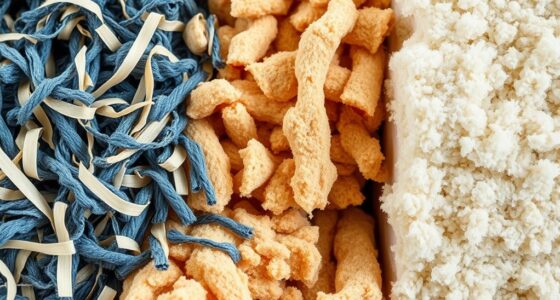
Once your foundation is in place, focus on insulation techniques that stand up to moisture. Traditional insulation materials like fiberglass may seem convenient, but they tend to absorb water, leading to mold growth and reduced effectiveness. Instead, you should opt for closed-cell spray foam or rigid foam boards, which offer excellent moisture resistance and high R-values. These materials not only insulate well but also act as a moisture barrier, keeping wet areas dry and preventing condensation buildup. Proper insulation is essential to maintaining a comfortable temperature and controlling humidity, which reduces the risk of mold and mildew.
In wet-area tiny house builds, wall and ceiling materials also matter considerably. Waterproof and mold-resistant materials like cement board, fiber cement siding, or PVC panels are ideal choices for walls in bathrooms and kitchens. These options resist water damage better than traditional drywall, which can swell or degrade when exposed to moisture. When installing these materials, sealing all joints and edges with waterproof sealants adds an extra layer of protection.
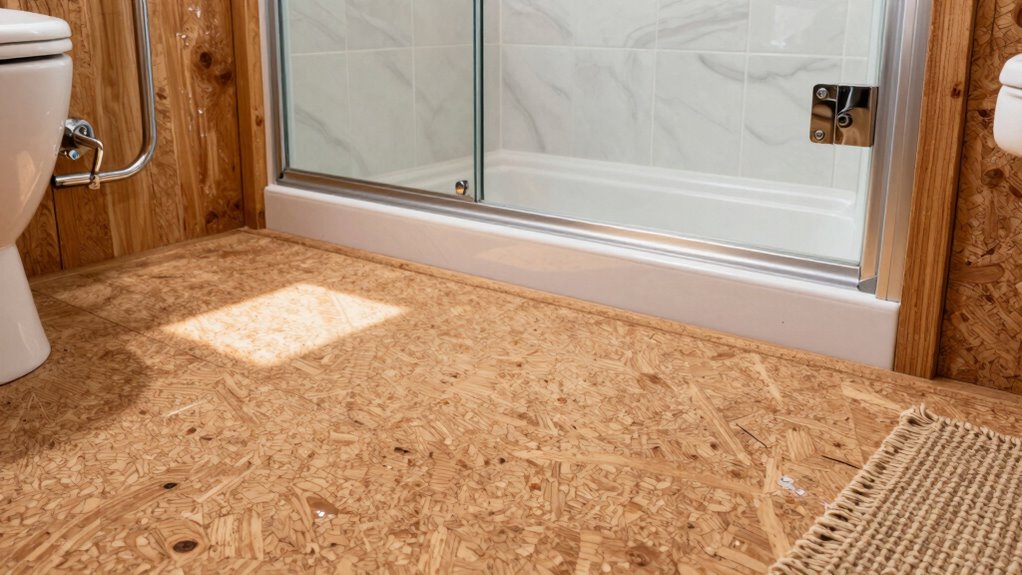
Flooring choices are equally important. Opt for water-resistant options like ceramic tile, vinyl, or epoxy coatings that withstand frequent splashes and spills. These surfaces are easy to clean and maintain, making them perfect for wet zones. Also, ensure proper ventilation and moisture barriers beneath the flooring to prevent water from seeping into the subfloor, which could cause rot or structural damage.
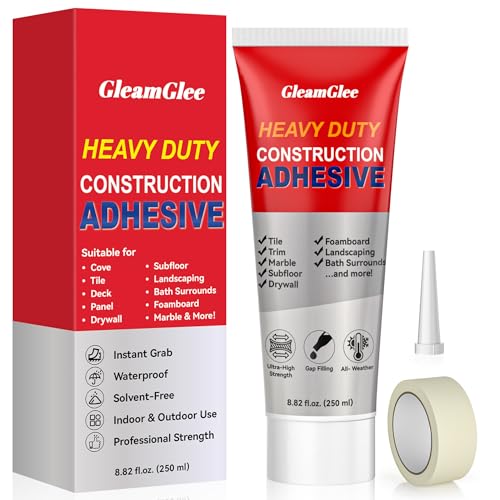
Heavy Duty Construction Adhesive, 8.8 oz Strong Cement Glue for Concrete, Tile, Wood, Stone, Walls, Floors & More – Waterproof Indoor/Outdoor Construction Glue
POWERFUL BONDING FOR HEAVY-DUTY PROJECTS – Our construction adhesive delivers industrial-strength bonding that holds up under pressure. Whether…
As an affiliate, we earn on qualifying purchases.
As an affiliate, we earn on qualifying purchases.
Frequently Asked Questions
How Do I Prevent Mold in Wet-Area Tiny Houses?
To prevent mold in your wet-area tiny house, you should prioritize proper ventilation strategies, like installing exhaust fans and ensuring good air circulation. Use mold-resistant coatings on walls and fixtures to inhibit mold growth. Keep the area dry by wiping down surfaces after use and fixing leaks promptly. Regularly check for moisture buildup, and consider dehumidifiers to maintain low humidity levels, creating an inhospitable environment for mold.
What Is the Best Waterproof Flooring for Tiny Bathrooms?
You should choose waterproof flooring like epoxy or vinyl planks, which are durable and easy to maintain. If you’re concerned about environmental impact, eco-friendly alternatives like cork or recycled rubber can work well too. Applying waterproof coatings enhances protection against moisture, preventing mold and damage. These options guarantee your tiny bathroom stays dry and safe, combining practicality with sustainability for a long-lasting, stylish finish.
Are Eco-Friendly Materials Suitable for Wet Areas?
Yes, eco-friendly materials can be suitable for wet areas if you choose the right options. Opt for sustainable insulation that resists moisture and biodegrade adhesives to reduce environmental impact. These materials guarantee your tiny house remains durable and safe from water damage while being eco-conscious. Just make sure they’re specifically designed for wet environments, and you’ll create a sustainable, functional space that’s both eco-friendly and resilient.
How Often Should Wet-Area Materials Be Replaced?
Think of your wet-area materials like a garden’s protective fence—if you neglect it, rot and wear will soon appear. Generally, you should inspect and replace materials based on their durability and maintenance needs, often every 5-10 years. High-quality, moisture-resistant materials demand less frequent replacement, but regular checks are key to prevent water damage. Staying vigilant guarantees your tiny house’s wet areas stay safe and durable over time.
Can I Use Regular Paint in Wet Zones?
You shouldn’t use regular paint in wet zones because it doesn’t offer the necessary color durability or paint adhesion needed for moisture-prone areas. Instead, opt for specialized bathroom or kitchen paints that are designed to withstand humidity, prevent mold, and resist peeling. These paints guarantee your walls stay vibrant and intact over time, regardless of occasional splashes or high humidity, making your tiny house safer and more durable.

VinTread Mat Vinyl Wet Area Floor Matting for Swimming Pool Shower Sauna SPA Bath Tub Bath Splash Matting Water Drain Wet Flooring Anti-Slip Indoor/Outdoor by VinTek
VinTread – wet area mat that drains water away by VinTek
As an affiliate, we earn on qualifying purchases.
As an affiliate, we earn on qualifying purchases.
Conclusion
Choosing the right materials for your wet areas isn’t just about durability—it’s about laying a foundation of trust in your tiny house’s future. Think of these materials as the steady roots of a resilient tree, anchoring your dreams amid life’s inevitable storms. When you select wisely, you’re cultivating a home that stands tall, weathering time and tide. Remember, in every drop of water and every tile laid, you’re building not just a space—but a sanctuary that endures.

Spray Foam Insulation Can (1 Pack-25.4 oz) Expanding Foam Sealant for Thermal & Acoustic Insulation, Closed Cell, High Density Spray Foams, Covers up to 20 Board feet/sq. ft.
SPRAY FOAM INSULATION : Before using spray foam insulation, shake the spray foam insulation can thoroughly. Lightly moisten…
As an affiliate, we earn on qualifying purchases.
As an affiliate, we earn on qualifying purchases.

GEAR AID Seam Grip WP Waterproof Sealant and Adhesive for Jackets, Tents, Tarps, Rain Gear and Outdoor Fabric, Repairs Rips and Seals Seams on Nylon, Canvas, Vinyl, 1 oz Tube Seals 12 ft, 1 Pack
Permanent Repairs – Seal seams and fix holes in tents, tarps, awnings, rainflies, and gear like Thermarest sleeping…
As an affiliate, we earn on qualifying purchases.
As an affiliate, we earn on qualifying purchases.