
TL;DR

Get compact home essentials delivered free with Prime
- Fast, free delivery on millions of items
- Prime Video, Amazon Music and more included
- Member-only deals all year
Grass seed may still grow after heavy rain if water drains away and the soil remains moist rather than waterlogged. Lawn experts recommend redistributing seed that has washed into patches, lightly aerating pooled areas and adding a thin layer of soil or compost. Germination commonly takes seven to 21 days, according to seed specialist Guy Jenkins.
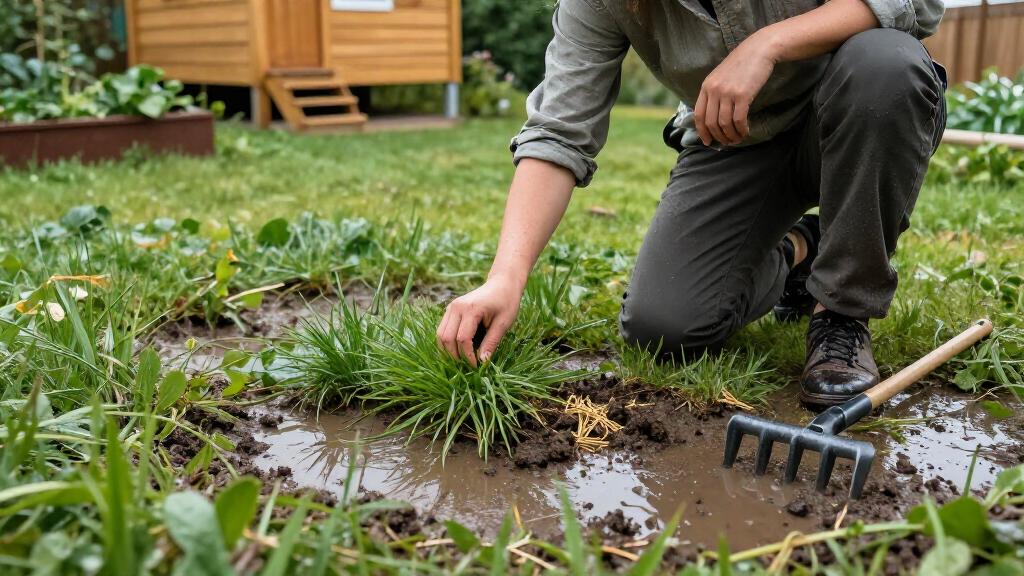
Heavy rain does not automatically ruin newly sown grass seed, but standing water can hinder germination, rot seed or leave it unevenly distributed, lawn experts told Ideal Home. Their advice is to check whether the ground has drained, then redistribute displaced seed, aerate waterlogged patches lightly or cover seed with a thin layer of soil or compost.
Grass seed needs moisture to germinate, but the amount and drainage matter. Guy Jenkins, consumer manager at Johnson’s Lawn Seed, told Ideal Home that seed can grow after rain in many cases, while warning that completely saturated or waterlogged ground can affect germination. Jonathan Davis, a lawn care expert at Lawnsmith, said seed should germinate as normal if rain has drained away and the soil is moist rather than waterlogged.
Standing water is the main warning sign. Davis said seed left in pooled water may rot or lack oxygen. Heavy rain can also wash seed from where it was sown or gather it into clumps, leading to a lawn with bare areas alongside thicker tufts. The report does not say that all seed exposed to a storm will be lost; the outcome depends partly on how well water drains from the lawn.
For seed that has moved, Jenkins advises waiting until the ground is workable before using a rake to spread it across bare areas. He said germination typically begins within seven to 21 days. If the lawn remains noticeably patchy after that period, overseeding the affected spots may help produce more even coverage. These are recommendations from the experts quoted in the Ideal Home report, not a guarantee that every lawn will recover.
How Rain Affects New Lawns
The difference between damp soil and waterlogged soil can determine whether newly sown seed establishes evenly. Seed loss or movement can leave bare patches, while pooling water can interfere with germination. Checking the lawn after a downpour gives gardeners a chance to address visible problems before deciding that the seed has failed.
The timing also matters for people trying to avoid unnecessary reseeding. Jenkins’s seven-to-21-day germination window offers a period to monitor progress, although conditions and results will vary. If a lawn is still patchy after that window, overseeding is one option recommended by the seed specialist.
Products Worth Considering

Philips Hue Bridge Pro Smart Lighting Hub

Roborock F25 BX Cordless Wet Dry Vacuum Mop

Philips Hue Secure Wired Video Doorbell, 2K, Black
As an affiliate, we earn on qualifying purchases.
Three Steps for Waterlogged Seed
First, redistribute seed that has washed into clumps. Once the ground is workable, rake it across bare areas, as Jenkins advised. Avoid working soil while it is saturated, when movement can disturb the ground further. Monitor the affected areas as seed has time to germinate, and consider overseeding if noticeable bare patches remain after the suggested window.
Second, aerate pooled areas lightly. Davis said aeration creates channels that can help water drain through the soil instead of pooling or running off. He recommends keeping it light, particularly at this time of year, to avoid disturbing seed or stressing the existing lawn; focus on waterlogged areas. The report suggests a garden fork or aerator, but does not provide a specific number of holes or a schedule.
Third, add a thin protective cover. Davis said a thin layer of topsoil or compost can help keep seed in place and improve drainage. He also recommended light, natural cover as a way to reduce seed movement and discourage birds from eating it. The report does not specify a material thickness or establish that covering will fix underlying drainage problems.
What Determines Seed Recovery
Recovery will vary from lawn to lawn. The report gives no measurements for rainfall, how long water stood on the ground, soil type or drainage rate, so it cannot predict whether a particular lawn’s seed will germinate. It also does not quantify how much seed heavy rain may wash away or identify a cover depth that suits every garden.
The advice is based on comments from two lawn-care sources quoted by Ideal Home. It does not establish that aeration or covering will restore seed that has rotted or been carried away. Gardeners may need to wait for the stated germination period and check which areas have actually sprouted before deciding how much to reseed.
Monitor Growth Before Reseeding
Check whether surface water has drained and whether seed remains spread across the lawn. If the soil is workable, rake seed back across visibly bare patches; if water is pooling, consider light aeration focused on those areas. A thin soil or compost cover is another measure described by Davis. Watch for germination over seven to 21 days, then assess whether bare patches remain and need overseeding. The result will depend on local ground conditions and drainage.
Key Questions
Will grass seed grow after heavy rain?
It can. The Ideal Home report says seed may germinate when rain drains away and the ground remains moist rather than waterlogged. Standing water can harm germination.
How long does grass seed take to germinate?
Guy Jenkins of Johnson’s Lawn Seed said germination typically starts within seven to 21 days. Actual results can depend on conditions, and the report does not give a guaranteed timeframe for every lawn.
What should I do if rain has washed seed into clumps?
Jenkins advises waiting until the ground is workable, then raking displaced seed across bare areas. If the lawn remains noticeably patchy after the germination period, he recommends considering overseeding those spots.
Can I aerate a lawn after heavy rain?
Davis recommends light aeration for waterlogged areas to create channels that help water drain. He cautions against disturbing seed or stressing the lawn, so the report advises keeping the work light and focusing on pooled areas.
Does covering grass seed help after rain?
Davis said a thin layer of topsoil or compost can help hold seed in place and improve drainage. The report does not specify a universal layer depth, and a cover is not a guarantee against poor drainage or seed loss.
Source: idealhome.co.uk